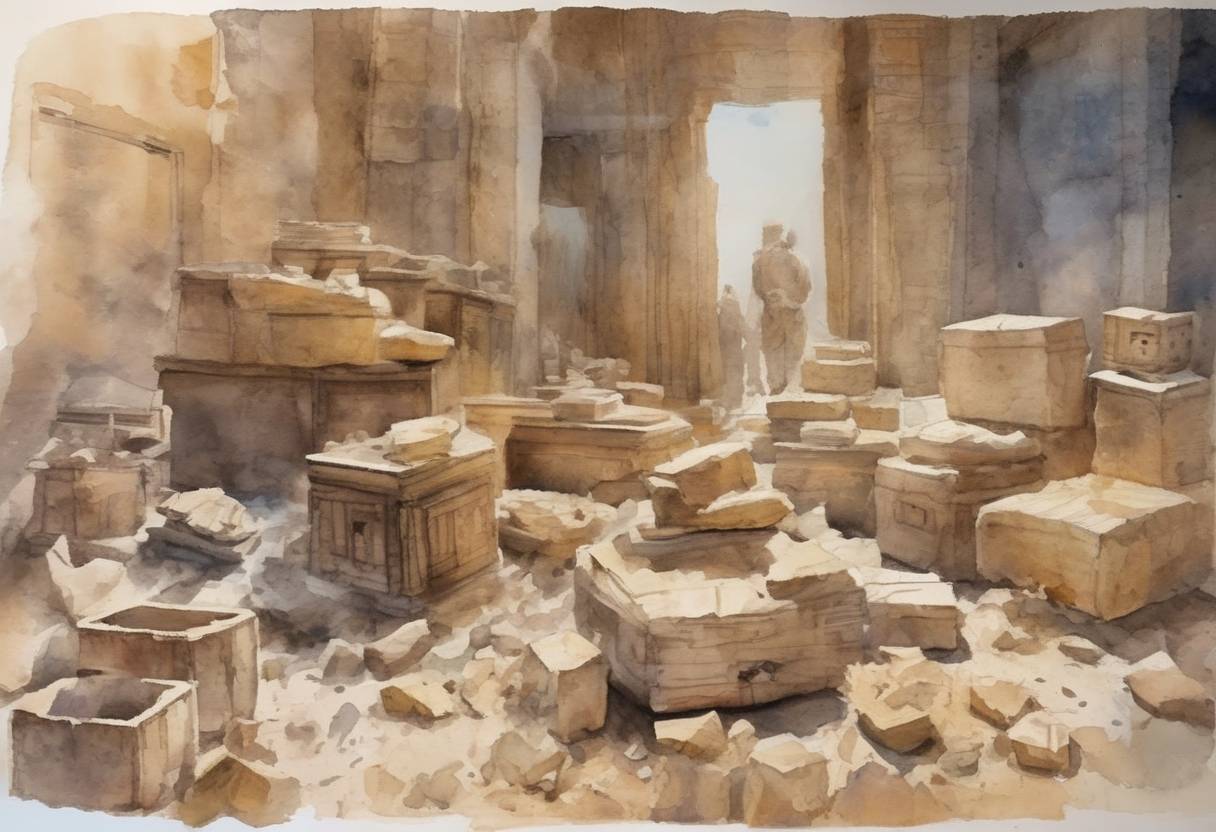
Return of Cultural Artifacts to Iraq - August 7, 2015
On August 7, 2015, the United States returned 500 cultural artifacts to Iraq, marking a significant step in the ongoing efforts to restore Iraq’s rich cultural heritage that had been severely impacted by looting during the Iraq War. This event was part of a broader initiative to repatriate stolen cultural property to its rightful owners and highlighted the international collaboration required to combat the illegal trade of antiquities.
Background
The Iraq War, which began in 2003, led to widespread looting and destruction of cultural sites across Iraq. The National Museum of Iraq in Baghdad was one of the most affected, with thousands of artifacts stolen or damaged. These artifacts, which date back thousands of years, are invaluable to understanding the history and culture of Mesopotamia, often referred to as the “Cradle of Civilization.”
The Repatriation Effort
The return of these artifacts was the result of extensive cooperation between the U.S. and Iraqi governments, as well as various law enforcement agencies, including the U.S. Immigration and Customs Enforcement (ICE) and the Department of Homeland Security (DHS). These agencies worked tirelessly to track down and recover items that had been smuggled out of Iraq and sold on the black market.
Key Artifacts Returned
Among the 500 artifacts returned were:
- Cylinder Seals: Small, cylindrical objects engraved with images and writing, used in ancient times to roll an impression onto a two-dimensional surface, typically clay.
- Cuneiform Tablets: Clay tablets inscribed with one of the earliest systems of writing, providing insights into the administrative, legal, and economic life of ancient Mesopotamia.
- Statues and Sculptures: Various pieces representing the artistic achievements of ancient Iraqi civilizations.
Significance
The repatriation of these artifacts was not only a victory for cultural preservation but also a symbolic gesture of goodwill and cooperation between the United States and Iraq. It underscored the importance of protecting cultural heritage and the role of international partnerships in addressing the illicit trade of cultural property.
Broader Implications
This event highlighted the ongoing challenges faced by countries in protecting their cultural heritage during times of conflict. It also emphasized the need for stronger international laws and cooperation to prevent the looting and illegal sale of cultural artifacts.
Conclusion
The return of these 500 artifacts to Iraq on August 7, 2015, was a crucial step in the restoration of Iraq’s cultural history. It served as a reminder of the importance of preserving cultural heritage and the collective responsibility of the international community to safeguard the legacies of past civilizations for future generations.