Commemoration of the 50th Anniversary of Bloody Sunday in Selma
2015 · Selma, United States
Tens of thousands gathered in Selma, Alabama to commemorate the 50th anniversary of Bloody Sunday, a pivotal moment in the American Civil Rights Movement.
March 7, 1965
The first of the Selma to Montgomery marches, known as "Bloody Sunday," took place, where civil rights demonstrators were brutally attacked by law enforcement at the Edmund Pettus Bridge.
Selma, United States | Civil Rights Movement
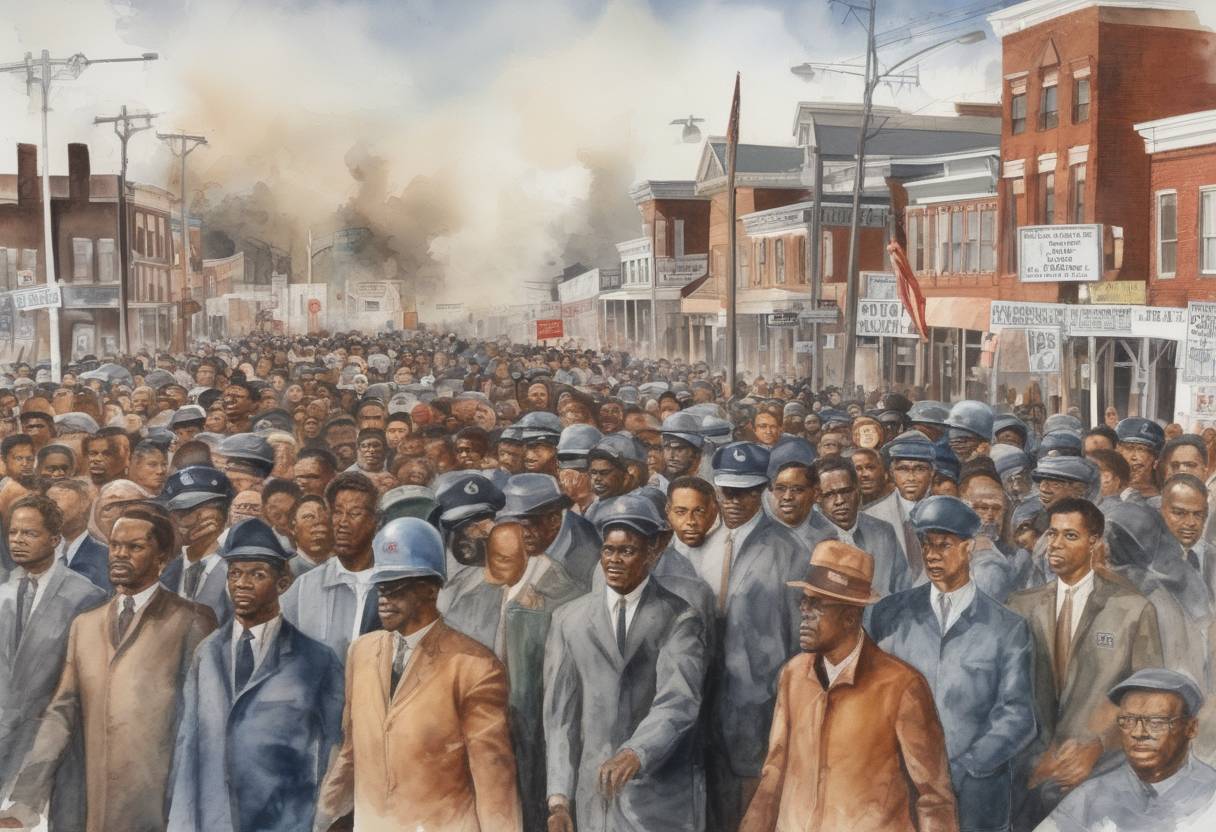
On March 7, 1965, a pivotal event in the American Civil Rights Movement unfolded in Selma, Alabama. Known as “Bloody Sunday,” this day marked the first of three planned marches from Selma to Montgomery, organized to protest racial discrimination in voting.
The Selma to Montgomery marches were part of a broader campaign to secure voting rights for African Americans in the South. Despite the constitutional right to vote, discriminatory practices like literacy tests and poll taxes effectively disenfranchised many Black citizens. The Southern Christian Leadership Conference (SCLC) and the Student Nonviolent Coordinating Committee (SNCC) chose Selma as a focal point for their efforts due to its particularly egregious voter suppression.
On March 7, approximately 600 civil rights activists, led by figures such as John Lewis of SNCC and Hosea Williams of SCLC, set out from Selma. Their goal was to march the 54 miles to the state capital, Montgomery, to demand voting rights. The marchers were committed to nonviolence, inspired by the teachings of leaders like Martin Luther King Jr.
As the demonstrators crossed the Edmund Pettus Bridge, they were met by a large contingent of law enforcement officers, including Alabama state troopers and local police, commanded by Major John Cloud. The marchers were ordered to disperse. When they refused, the officers attacked with billy clubs, tear gas, and mounted charges. The brutal assault was broadcast on national television, shocking the nation and drawing widespread condemnation.
The violence of Bloody Sunday galvanized public opinion and increased support for the civil rights movement. It highlighted the urgent need for federal voting rights legislation. In response, Martin Luther King Jr. led a second march on March 9, known as “Turnaround Tuesday,” which was halted to avoid further violence.
The third march, beginning on March 21 and concluding on March 25, was protected by federal forces and successfully reached Montgomery. These events directly contributed to the passage of the Voting Rights Act of 1965, a landmark piece of legislation that prohibited racial discrimination in voting.
Bloody Sunday remains a symbol of the struggle for civil rights and the power of nonviolent protest. It underscored the systemic racism faced by African Americans and the need for comprehensive legal reforms. The courage of the marchers and the subsequent legislative achievements continue to inspire movements for social justice worldwide.
Source: en.wikipedia.org