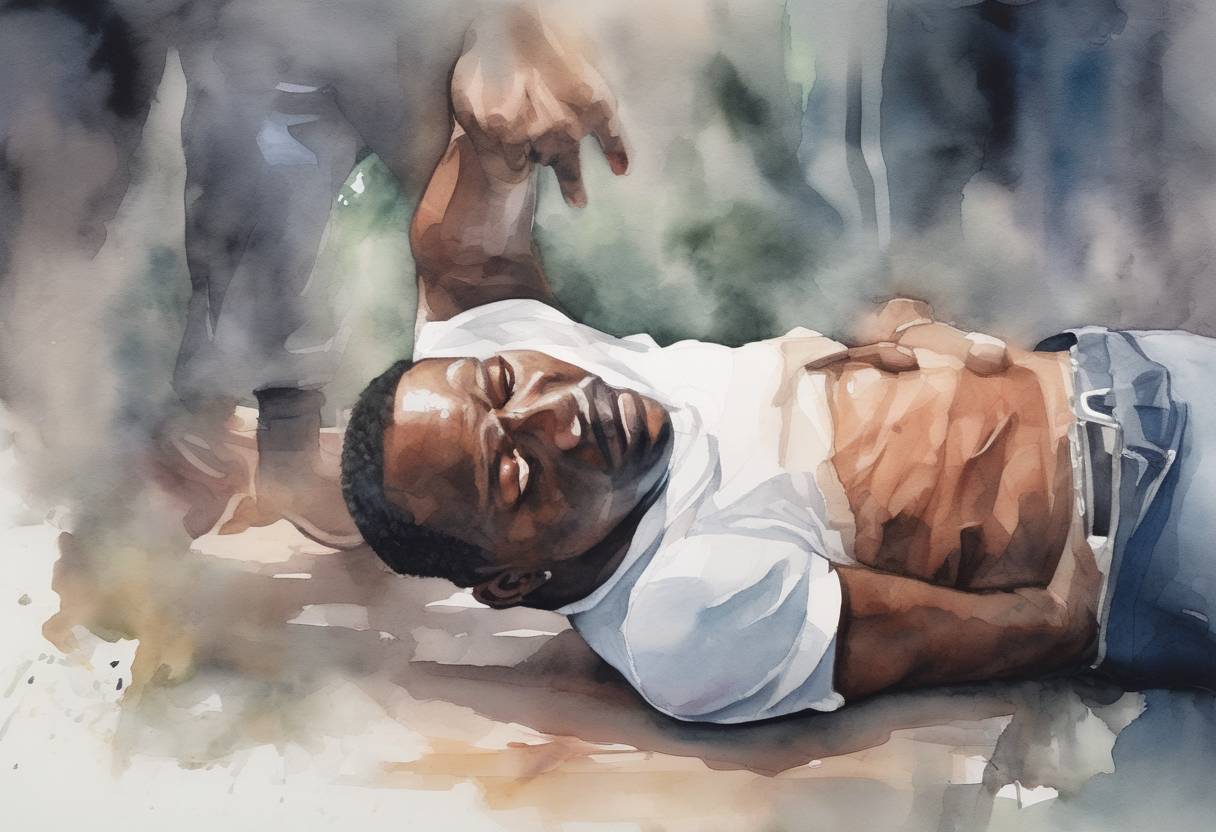
The Killing of George Floyd and Its Aftermath
Background
On May 25, 2020, George Floyd, a 46-year-old African American man, was killed during an arrest by police officers in Minneapolis, Minnesota. This incident became a pivotal moment in the ongoing struggle against police brutality and racial injustice in the United States and around the world.
The Incident
George Floyd was arrested by Minneapolis police officers after a store clerk alleged that he had used a counterfeit $20 bill. During the arrest, Officer Derek Chauvin knelt on Floyd’s neck for approximately nine minutes, despite Floyd’s repeated pleas that he could not breathe. The incident was captured on video by a bystander, and the footage quickly went viral, sparking outrage and protests.
Key Events Leading Up to the Incident
- Systemic Issues: The killing of George Floyd occurred against a backdrop of longstanding issues of racial discrimination and police brutality in the United States. Previous incidents, such as the deaths of Eric Garner, Michael Brown, and Breonna Taylor, had already highlighted systemic problems within law enforcement agencies.
- Community Tensions: Minneapolis, like many other cities, had experienced tensions between law enforcement and communities of color, exacerbated by economic disparities and historical injustices.
- Protests: The video of Floyd’s death led to widespread protests in Minneapolis, which quickly spread to cities across the United States and around the world. These protests were largely peaceful, though some instances of violence and looting occurred.
- Chauvin’s Arrest: Derek Chauvin was arrested and charged with second-degree murder, third-degree murder, and second-degree manslaughter. The other three officers involved were charged with aiding and abetting second-degree murder and manslaughter.
Broader Impact
- Global Movement: The protests sparked a global movement against racial injustice and police brutality, with demonstrations occurring in numerous countries. The Black Lives Matter movement gained significant momentum, advocating for systemic changes in policing and criminal justice.
- Policy Changes: In response to the protests, several cities and states in the U.S. implemented or proposed reforms to policing practices, including bans on chokeholds, increased accountability measures, and the reallocation of police funding to community services.
- Cultural Shift: The incident prompted widespread discussions about race, privilege, and inequality, leading to changes in corporate policies, educational curricula, and public awareness.
Conclusion
The killing of George Floyd on May 25, 2020, was a catalyst for a renewed and intensified focus on racial justice and police reform. It highlighted the urgent need for systemic change and sparked a global movement that continues to influence discussions and policies related to race and justice. The event remains a significant moment in the history of civil rights and social justice advocacy.