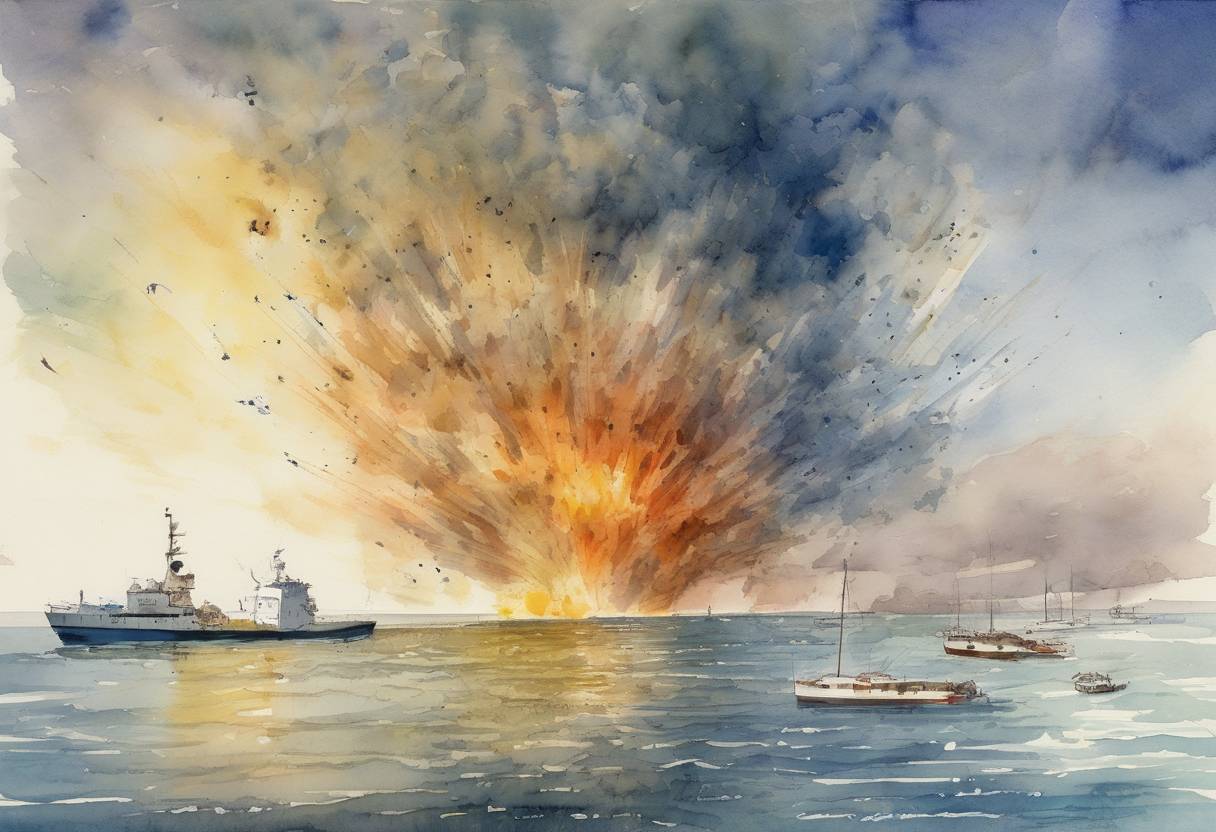
Eastern Mediterranean Airburst Event - June 6, 2002
On June 6, 2002, a significant astronomical event occurred over the Eastern Mediterranean Sea. This event was characterized by a large airburst resulting from the explosion of a meteoroid in the Earth’s atmosphere. The explosion was detected by infrasound sensors and satellites, which are part of a global network designed to monitor nuclear tests and other atmospheric phenomena.
Key Details
- Date: June 6, 2002
- Location: Over the Eastern Mediterranean Sea
- Cause: Explosion of a meteoroid in the Earth’s atmosphere
- Estimated Yield: Approximately 26 kilotons of TNT
Detection and Monitoring
The event was detected by a combination of infrasound sensors and satellite technology. Infrasound sensors are capable of detecting low-frequency sound waves generated by large explosions, while satellites provide visual and infrared data from space. These technologies are part of a global monitoring system that ensures compliance with international treaties banning nuclear tests.
Context and Significance
- Meteoroid Explosions: Meteoroids are small rocky or metallic bodies traveling through space. When they enter the Earth’s atmosphere, they can burn up and explode due to the intense heat and pressure, creating an airburst.
- Comparison to Nuclear Explosions: The energy released by the airburst was comparable to a small nuclear explosion, estimated at 26 kilotons of TNT. For context, the atomic bomb dropped on Hiroshima in 1945 had a yield of approximately 15 kilotons.
- Safety and Impact: Fortunately, this event occurred over the sea, minimizing any potential impact on human populations or infrastructure. Such events, however, highlight the importance of monitoring systems in distinguishing natural phenomena from human-made explosions.
Broader Historical Significance
The 2002 Eastern Mediterranean airburst underscores the importance of global monitoring systems in maintaining international security and understanding natural phenomena. It also serves as a reminder of the potential hazards posed by near-Earth objects (NEOs) and the need for continued research and preparedness to mitigate the risks associated with larger impacts.
In summary, the June 6, 2002, airburst over the Eastern Mediterranean was a significant natural event that demonstrated the capabilities of modern monitoring systems and highlighted the ongoing need for vigilance in tracking and understanding meteoroid activity.