Howard Carter Unseals the Burial Chamber of Pharaoh Tutankhamun
1923 · Luxor, Egypt
Howard Carter unseals the burial chamber of Pharaoh Tutankhamun.
July 24, 1911
American explorer Hiram Bingham III re-discovers Machu Picchu, the ancient Inca site in Peru.
Machu Picchu, Peru | Yale University
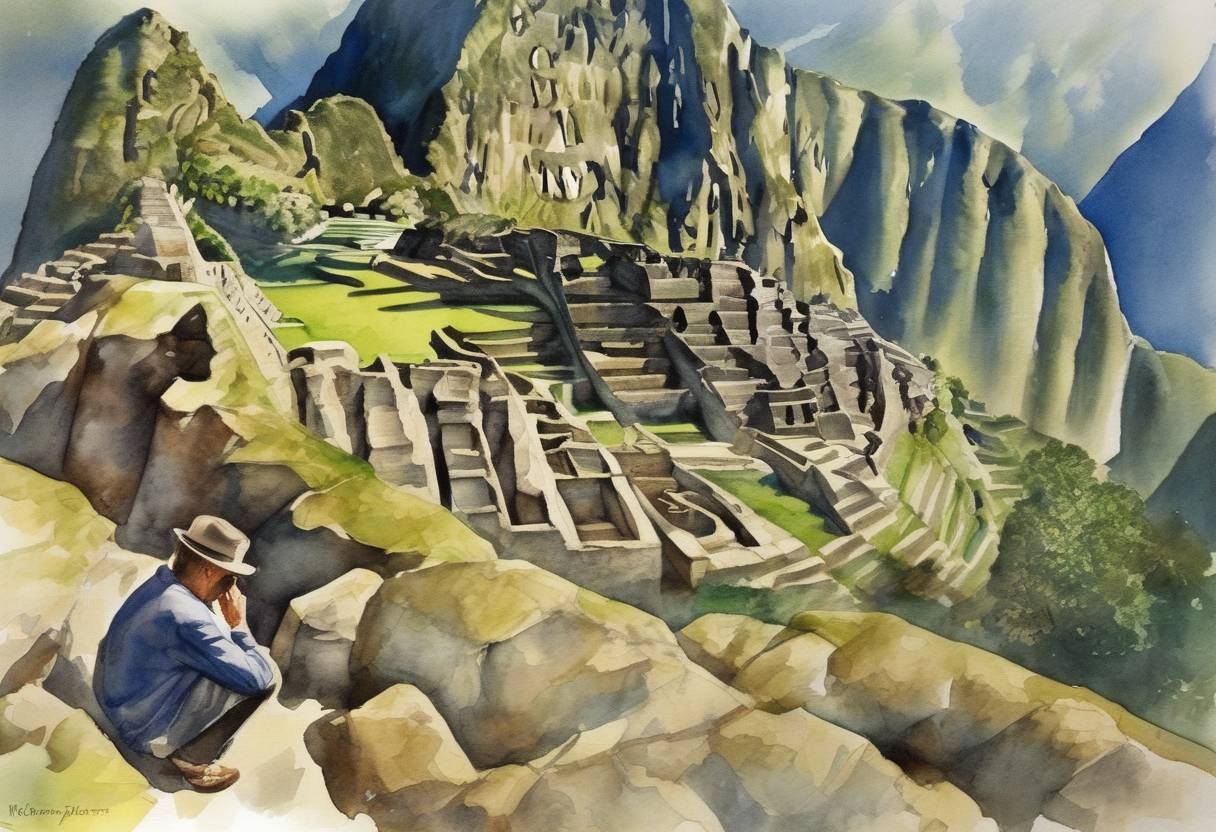
On July 24, 1911, American explorer and historian Hiram Bingham III, accompanied by a small team, rediscovered the ancient Inca site of Machu Picchu in Peru. This event marked a significant moment in the field of archaeology and brought global attention to the Inca civilization.
Machu Picchu, often referred to as the “Lost City of the Incas,” was built in the 15th century during the reign of the Inca emperor Pachacuti. It is believed to have served as a royal estate or religious site. The Spanish conquest of the Inca Empire in the 16th century led to the abandonment of Machu Picchu, and it remained largely unknown to the outside world for centuries.
Hiram Bingham III, a lecturer at Yale University with a keen interest in South American history, embarked on an expedition to Peru in 1911. His journey was initially motivated by a desire to find Vilcabamba, the last stronghold of the Inca Empire. Guided by local indigenous farmers, Bingham was led to the site of Machu Picchu, which was overgrown with vegetation but remarkably well-preserved.
Upon reaching Machu Picchu, Bingham was astounded by the site’s architectural sophistication and its dramatic setting atop the Andes Mountains. The site featured terraces, temples, and various structures that showcased the advanced engineering skills of the Inca civilization.
Bingham’s discovery was significant for several reasons:
Following the discovery, Bingham conducted further excavations and research at Machu Picchu, publishing his findings and bringing artifacts back to Yale University. His work, however, was not without controversy, as debates over the removal of artifacts and their rightful ownership continue to this day.
In 1983, Machu Picchu was designated a UNESCO World Heritage Site, recognizing its cultural and historical importance. It remains a symbol of Inca ingenuity and a testament to the rich history of pre-Columbian civilizations in the Americas.
The rediscovery of Machu Picchu by Hiram Bingham III on July 24, 1911, was a pivotal moment in the study of ancient civilizations. It not only unveiled the mysteries of the Inca Empire but also highlighted the importance of preserving and studying historical sites for future generations.
Source: www.britannica.com