The Launch of NBC Radio Network on November 15, 1926
1926 · New York City, United States
The NBC radio network opens with 24 stations.
August 28, 1922
The first radio commercial, advertising for the Queensboro Corporation, airs on WEAF in New York.
New York City, United States | Queensboro Corporation
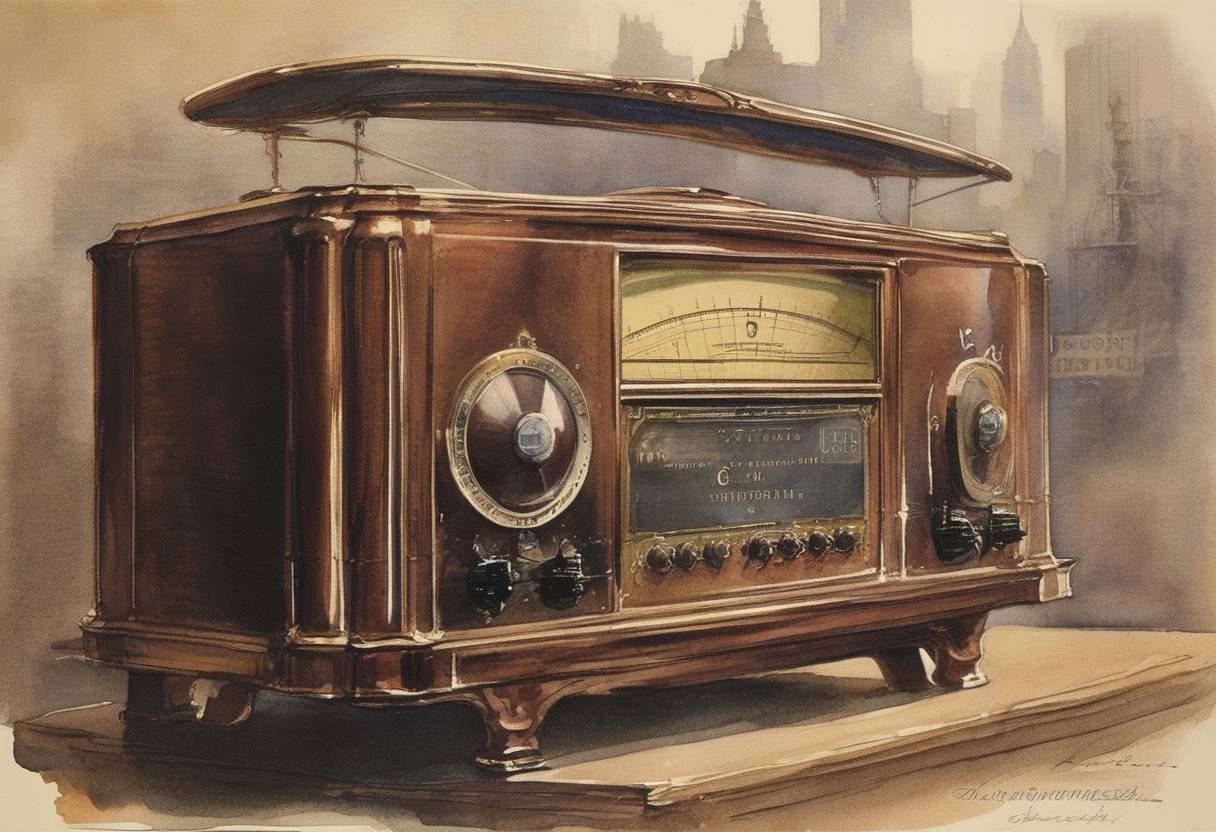
On August 28, 1922, a pivotal moment in the history of media and advertising unfolded when the first paid radio commercial aired on station WEAF in New York City. This groundbreaking event marked the beginning of commercial broadcasting, setting a precedent for future monetization of radio content.
In the early 1920s, radio was emerging as a powerful medium for communication and entertainment, yet monetization models were still in their infancy. The idea of using radio for advertising faced skepticism, as stations were primarily focused on reaching broader audiences with news and music without commercial interruption.
On this particular date, WEAF, a radio station owned by the American Telephone & Telegraph Company (AT&T), aired a 10-minute commercial that changed the course of radio broadcasting. The advertisement was for the Queensboro Corporation, a real estate firm promoting a new apartment development in Jackson Heights, Queens.
The advertisement highlighted the benefits and modern amenities of the apartments, aiming to attract middle-class customers to the expanding residential neighborhood. This commercial was sold at a rate of $50, showcasing to other businesses that radio was a viable platform for reaching potential customers on a large scale.
WEAF: Although primarily operating as a radio station, WEAF was instrumental in experimenting with commercial advertising, paving the way for a sustainable model for broadcasters and advertisers alike.
Queensboro Corporation: By seizing the opportunity to promote its real estate over radio, the corporation became a pioneer in utilizing mass media for marketing purposes.
The success of this initial radio advertisement marked the beginning of a commercial revolution in broadcasting. It demonstrated the radio’s potential not just as a medium for communication but also as a profitable enterprise through advertising. This event led to the radio industry’s rapid expansion and transformation, with advertisements soon funding a wide variety of programming, setting the standard that television and other media would later follow.
As radio commercials became more common, they helped shape consumer culture and contributed to the evolution of advertising strategies in the 20th century.
Source: www.history.com