2005 · Muzaffarabad, Pakistan
A devastating earthquake measuring 7.6 on the Richter scale strikes the Kashmir region, affecting parts of Pakistan, India, and Afghanistan, and resulting in over 86,000 deaths.
December 26, 2000
A massive earthquake struck the Gujarat region in western India, causing widespread devastation and loss of life.
Bhuj, India | Government of India
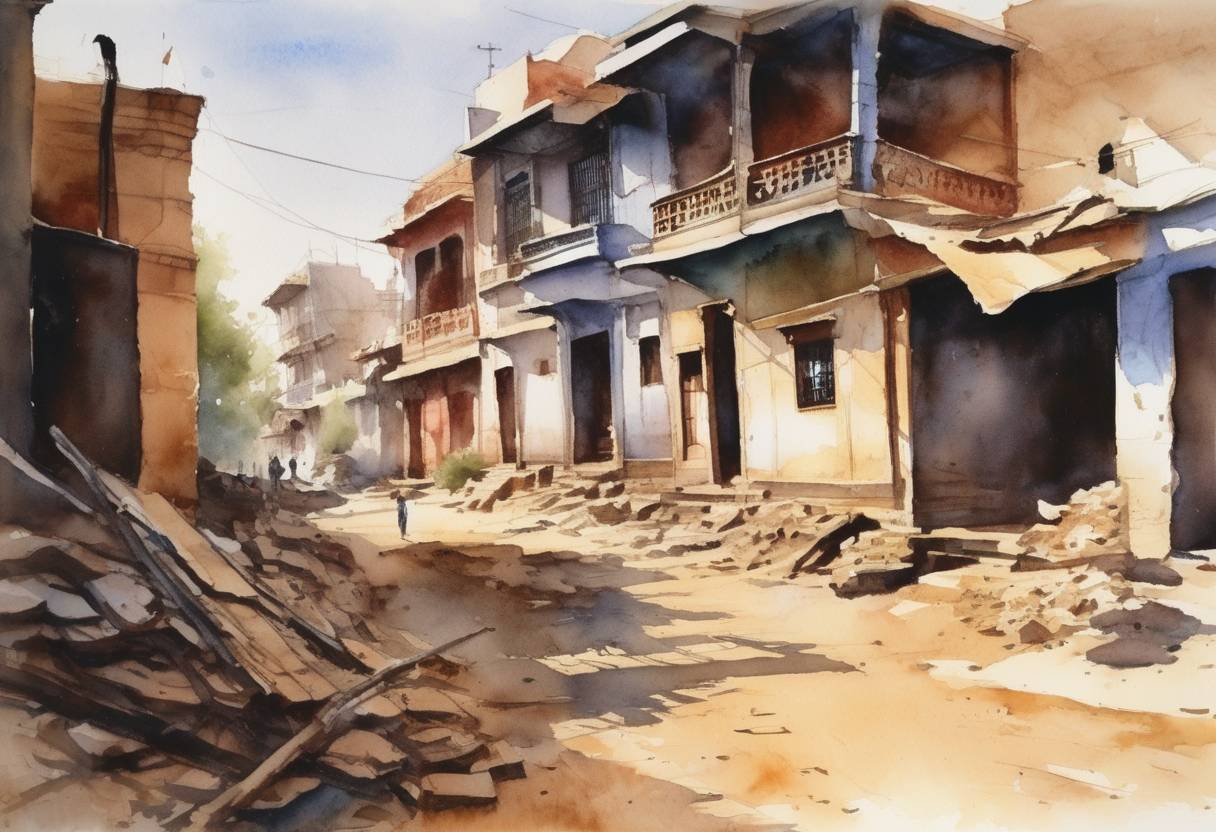
The date provided, December 26, 2000, does not correspond to the massive earthquake that struck the Gujarat region in western India. The earthquake in question actually occurred on January 26, 2001. Here is the accurate historical account:
On January 26, 2001, a devastating earthquake struck the Indian state of Gujarat. Officially referred to as the Bhuj earthquake, it registered a magnitude of 7.7 on the Richter scale. The epicenter was near the town of Bhuj in the Kutch district, and the seismic shock was felt across the region, causing widespread destruction.
Geographic Impact: The earthquake primarily affected the city of Bhuj, but the tremors extended across northwestern India and parts of Pakistan. Key cities like Ahmedabad, Rajkot, and Surat also experienced significant damage.
Infrastructure Damage: The disaster led to the collapse of thousands of buildings, including residential buildings, hospitals, and schools, severely affecting infrastructure.
Casualties: Approximately 20,000 people were killed, and over 150,000 were injured. The number of displaced individuals was estimated to be in the hundreds of thousands, as entire communities were obliterated.
Economic Consequences: The economic impact was severe, with estimates of damages running into billions of dollars. The reconstruction efforts required substantial national and international assistance.
Response Efforts: The Indian government, along with international organizations and non-governmental entities, mobilized significant resources for rescue, relief, and rehabilitation operations. Efforts were made to rebuild infrastructure and provide aid to those affected.
Long-term Rebuilding: In subsequent years, Gujarat underwent redevelopment with more stringent building codes and Disaster Risk Reduction (DRR) measures implemented to mitigate future earthquake impacts.
This earthquake underscored the vulnerability of regions to seismic activities and highlighted the necessity for improved readiness and response strategies. It prompted national discussions on disaster management policies and led to significant advancements in building regulations across India.
Source: en.wikipedia.org