Nazi Germany's Invasion of Czechoslovakia on March 15, 1939
1939 · Prague, Czechoslovakia
Nazi Germany invaded and occupied Czechoslovakia, violating the Munich Agreement.
June 10, 1942
In a brutal reprisal for the assassination of Reinhard Heydrich, the Nazis destroyed the Czech village of Lidice. The village was burned, and its population was killed or sent to concentration camps, and the area was leveled.
Lidice, Czechoslovakia | Nazi Germany
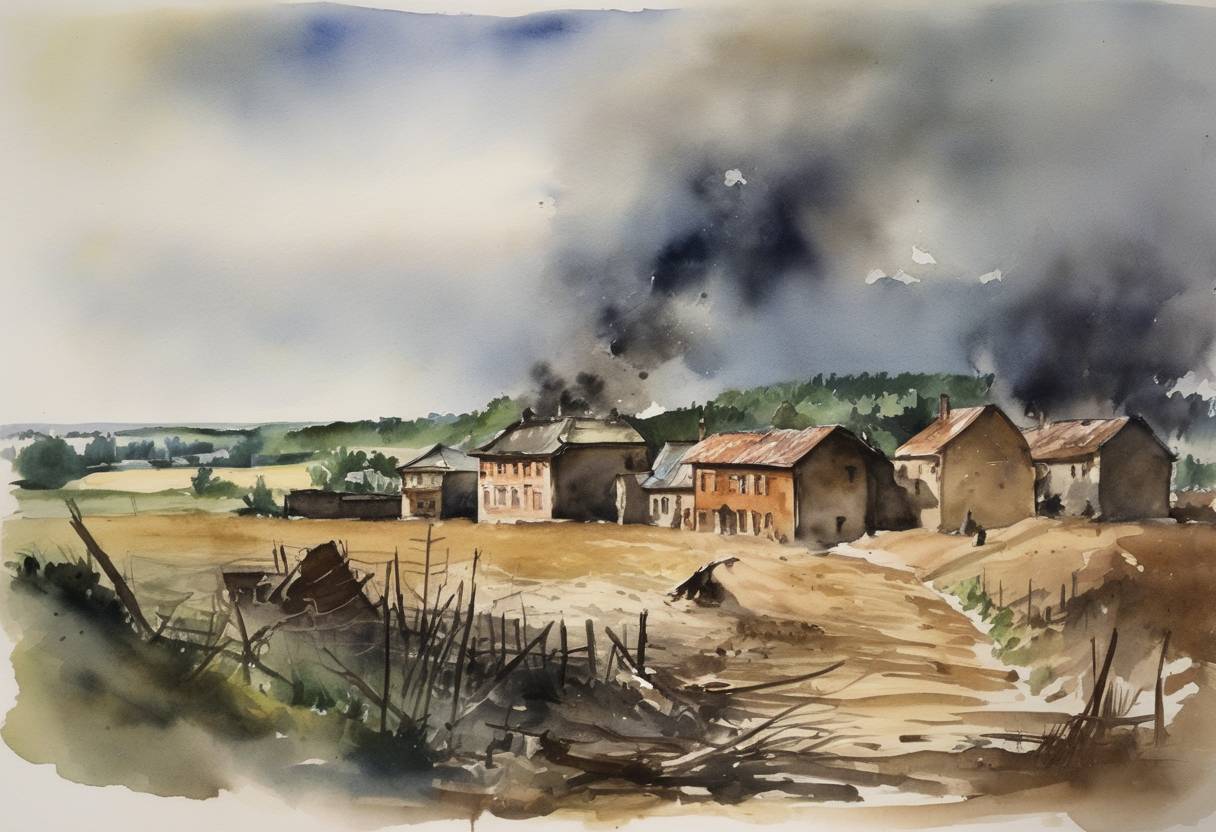
On June 10, 1942, a brutal act of Nazi reprisal unfolded in Czechoslovakia following the assassination of Reinhard Heydrich, a high-ranking Nazi official. The German forces obliterated the village of Lidice in an attempt to exact vengeance and deter further resistance against the Nazi regime.
Reinhard Heydrich, known for his role in the formulation of the “Final Solution,” was one of Adolf Hitler’s most trusted lieutenants. He served as the Reich Protector of Bohemia and Moravia, and his oppressive policies fostered deep resentment among the Czech population. On May 27, 1942, Heydrich was attacked by Czechoslovak resistance operatives, Jan Kubiš and Jozef Gabčík, in Operation Anthropoid. Severely injured, Heydrich succumbed to his wounds a week later, on June 4, igniting a vengeful backlash from the Nazis.
On the orders of Hitler and Heinrich Himmler, the SS and Gestapo stormed Lidice early on the morning of June 10, 1942. Their intent was to make an example of the village. The male population, totaling 173, were executed on the spot. Women and children were separated; the women were deported to Ravensbrück concentration camp, while 82 of the 105 children were sent to the Chelmno extermination camp and gassed. A few children deemed racially suitable were selected for Germanization.
After evacuating the population, German forces razed the village. Buildings were burned, and the remains were destroyed with explosives. The site was leveled, with efforts made to erase Lidice from maps and memory.
The atrocity at Lidice drew international condemnation and became a powerful symbol of Nazi brutality. The massacre galvanized opposition to the Nazi regime and spurred Allied efforts in the war. Post-war, the new village of Lidice was established nearby, and the site became a memorial dedicated to the victims.
Reinhard Heydrich’s assassination and the subsequent destruction of Lidice exemplified the severe measures the Nazis were willing to employ to sustain control and intimidate occupied regions. This tragic event highlighted both the resilience of resistance movements and the extreme lengths to which oppressive regimes may go to maintain power.
Source: www.holocaustremembrance.com