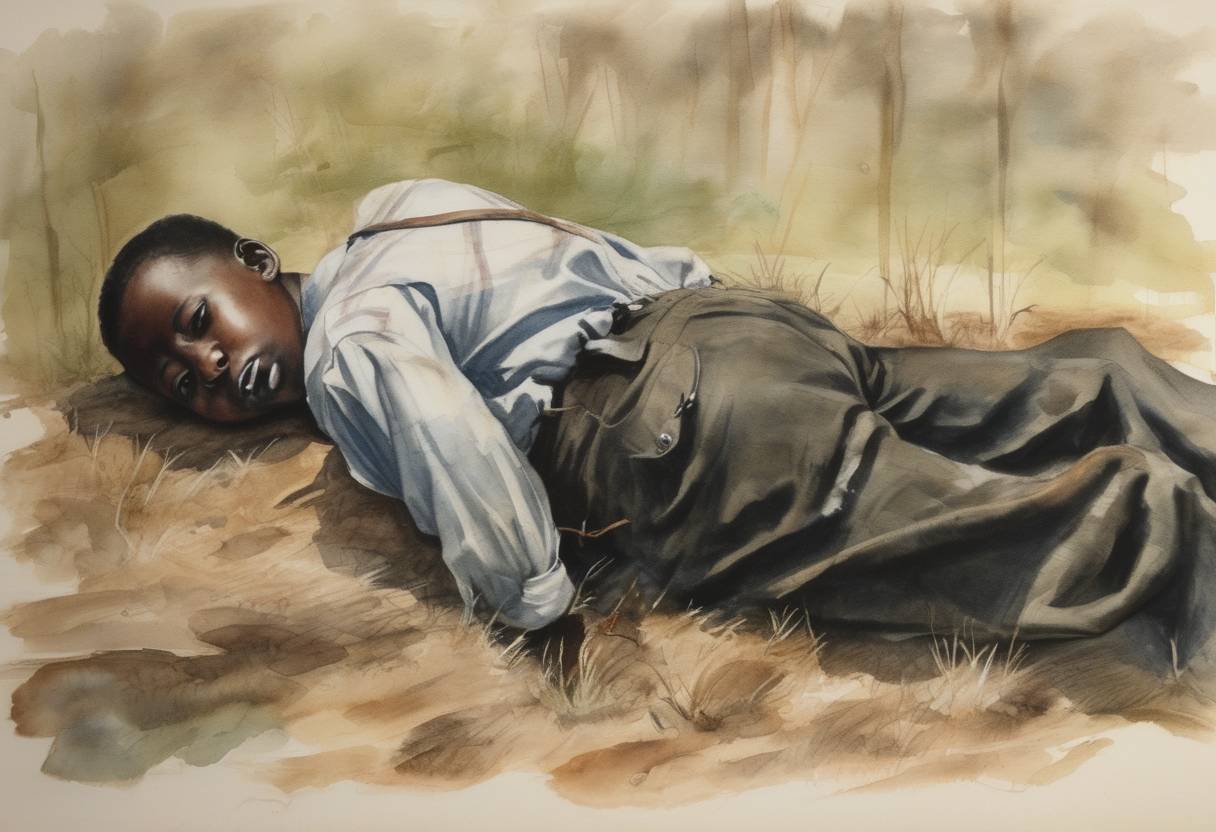
Execution of George Stinney Jr. on June 16, 1944
On June 16, 1944, George Stinney Jr. was executed in South Carolina, becoming the youngest person to be executed in the United States in the 20th century. Stinney, an African American boy just 14 years old at the time, was convicted of the murder of two young white girls, Betty June Binnicker, aged 11, and Mary Emma Thames, aged 7, in the small town of Alcolu.
Background and Arrest
The tragic events leading to Stinney’s execution began in March 1944, when the bodies of Binnicker and Thames were discovered in a ditch after they had gone missing. George Stinney Jr. and his sister Aime had reportedly seen the girls earlier while they were out picking flowers. Subsequently, George Stinney Jr. was arrested and charged with their murders.
The Trial
Stinney’s trial commenced on April 24, 1944, in Clarendon County. The proceedings were swift, lasting less than a day—a mere two hours for jury deliberation followed a trial that took place in a single afternoon. Stinney’s defense lawyer offered little in terms of a viable defense, and no witnesses were called on Stinney’s behalf. It is reported that he was interrogated without the presence of his parents or legal counsel and purportedly confessed to the crime under duress, though no written record of the confession has been found.
Execution
The execution took place just over two months after the trial. George Stinney Jr. was executed by electric chair at 7:30 PM at the South Carolina Penitentiary in Columbia. Due to his small stature, he weighed only around 90 pounds, adjustments had to be made to the chair. Stinney’s age and the nature of the trial sparked significant controversy and debate regarding the fairness and integrity of the judicial process used in his conviction.
Historical and Legal Impact
The case of George Stinney Jr. received renewed attention many decades later, casting a spotlight on racial discrimination and the treatment of African American defendants in the U.S. legal system. In December 2014, a South Carolina judge vacated Stinney’s conviction posthumously, 70 years after his execution, declaring that Stinney had not received a fair trial, recognizing the profound injustices that had occurred in his case. This decision was seen as a symbolic, though significant, step toward recognizing and rectifying the deep racial injustices of the past.