The Ashura Bombings in Iraq - March 2, 2004
2004 · Baghdad, Iraq
The War in Iraq: Al-Qaeda carried out a series of bombings in Iraq, targeting Shiite Muslims during the Ashura festival, resulting in the deaths of at least 178 people.
April 11, 2007
Al-Qaeda conducted a series of bombings in Algiers, Algeria, known as the Algiers bombings, which left 33 people dead and over 200 wounded.
Algiers, Algeria | Al-Qaeda
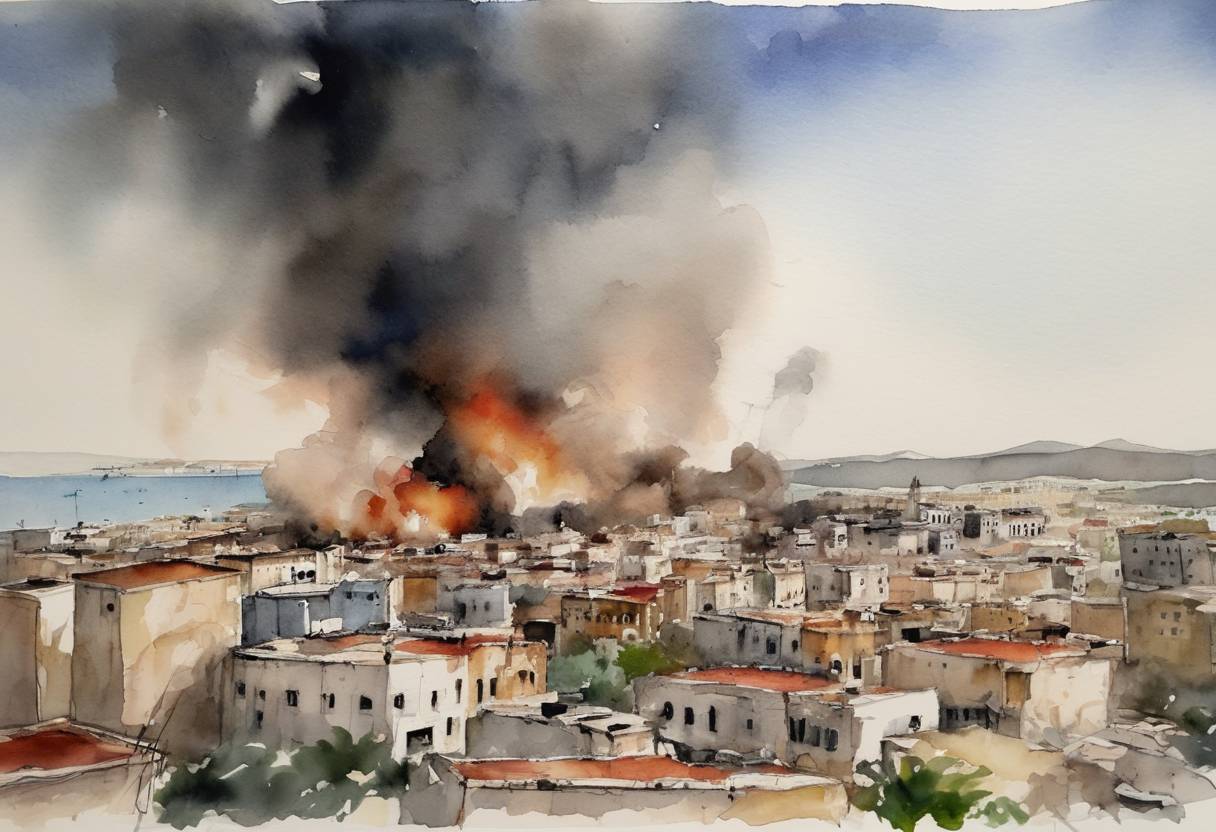
On April 11, 2007, Algiers, the capital city of Algeria, was shaken by a devastating series of bombings perpetrated by Al-Qaeda’s North African branch, Al-Qaeda in the Islamic Maghreb (AQIM). The coordinated attacks targeted key governmental and international facilities in the city, resulting in significant casualties and widespread panic.
Location and Targets: The bombings specifically targeted the Government Palace, which houses the prime minister’s office, and a police station in the eastern district of Bab Ezzouar. These locations represented symbols of national and security authority, thus conveying a potent message.
Casualties and Damage: The attacks resulted in the deaths of 33 people and left over 200 individuals wounded. The severity of the blasts caused extensive damage to nearby buildings and infrastructure, illustrating the destructive capability of the explosives used.
Execution: The bombings were carried out using vehicles loaded with explosives, driven by suicide bombers. This mode of attack was consistent with other operations carried out by Al-Qaeda affiliates around the world, underscoring a tactical shift towards more violent insurgency methods.
Al-Qaeda in the Islamic Maghreb (AQIM): The group responsible for the bombings, AQIM, was a rebranded version of the Salafist Group for Preaching and Combat (GSPC). The GSPC had aligned itself with Al-Qaeda’s global jihadist ideology and sought to expand its influence by adopting the terror network’s tactics.
Political Climate: Algeria at the time was recovering from a brutal civil war in the 1990s, known as the Black Decade, which pitted government forces against various Islamist militant groups. Despite a national reconciliation policy aimed at incorporating former militants into society, tensions and unrest persisted.
Government Response: In the wake of the bombings, the Algerian government intensified its counterterrorism efforts. Security measures were heightened across the country, with a focus on dismantling extremist networks and preventing further attacks.
International Reaction: The bombings were condemned globally, highlighting the persistent threat posed by terrorism. Support from international allies was rallied to assist Algeria in combating the extremist threat, emphasizing regional security collaboration.
Broader Significance: The Algiers bombings marked a significant moment in the ongoing struggle against jihadist terrorism in North Africa. It illustrated the challenges faced by states like Algeria in maintaining security while grappling with the legacies of past internal conflicts.
The events of April 11, 2007, underscored the lethal capabilities of localized terror groups affiliating themselves with global networks like Al-Qaeda. Additionally, it highlighted the intricate link between regional instability and international security threats.
Source: en.wikipedia.org