Earthquake in Central Chile - January 2, 2011
2011 · Temuco, Chile
A magnitude 7.1 earthquake strikes central Chile, causing widespread panic but no significant damage or casualties, as the region was still recovering from a major quake in 2010.
June 27, 1994
A magnitude 6.7 earthquake struck near the Bolivian town of Beni, causing destruction and raising awareness about seismic risks in the region.
Beni, Bolivia | International Seismological Centre
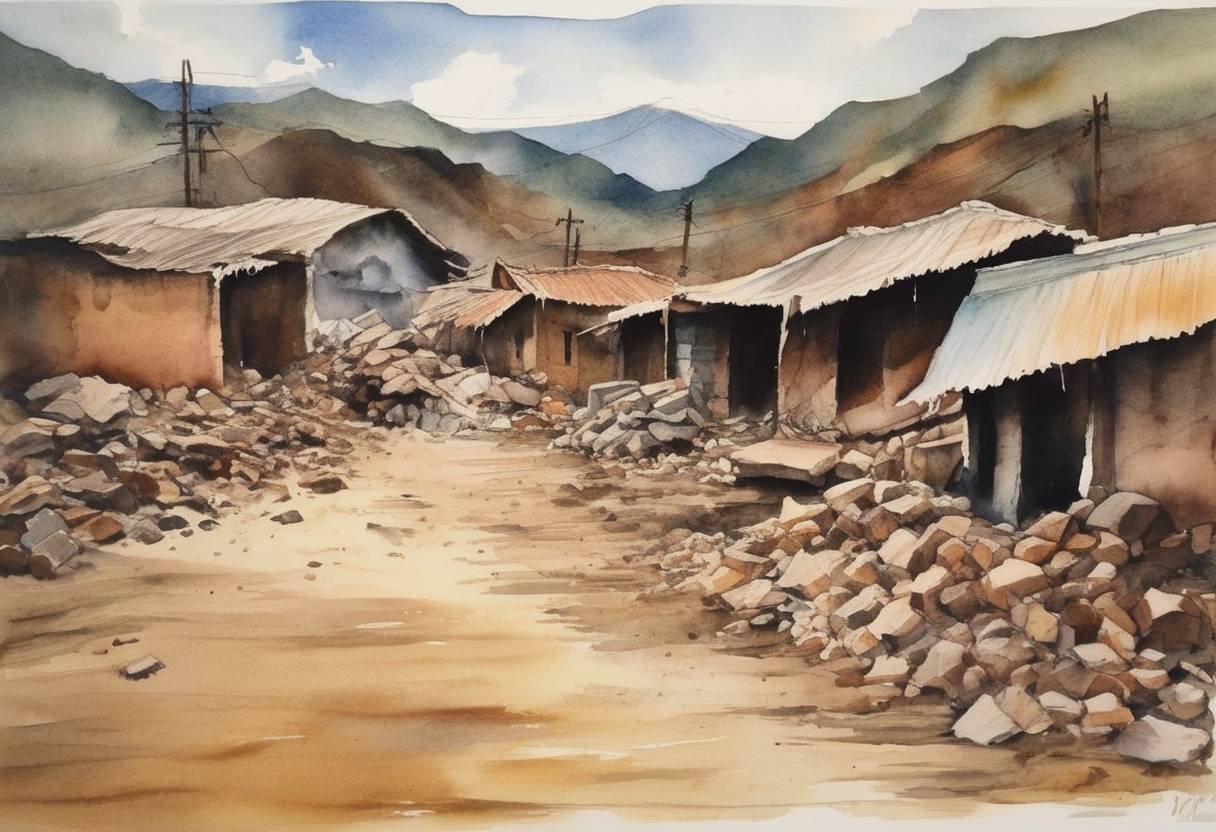
On June 27, 1994, a significant seismic event struck near the town of Beni in Bolivia. The earthquake registered a magnitude of 6.7 on the Richter scale, highlighting the seismic activity present in the region and drawing increased attention to its geological vulnerabilities.
Bolivia is located in a seismically active area, influenced by the complex interactions between the South American plate and the Nazca plate. Historically, the region has experienced several earthquakes, which have prompted studies into the tectonic activity of the Andean region.
In the wake of the earthquake, efforts were made to enhance the understanding of seismic risks in Bolivia. Researchers and policymakers underscored the importance of monitoring seismic activity and implementing robust disaster mitigation strategies. The event contributed to a broader discourse on the impact of natural disasters in developing countries and the necessary preparations to minimize human and economic losses.
The earthquake on June 27, 1994, served as a pivotal moment for Bolivian authorities and the scientific community, prompting a critical evaluation of the country’s capabilities to manage and mitigate seismic risks.
Source: earthquake.usgs.gov