Opening of the Lincoln Tunnel – December 22, 1937
1937 · New York City, United States
The Lincoln Tunnel in New York City was opened to traffic, providing a crucial connection between Manhattan and New Jersey under the Hudson River.
March 13, 1988
The Seikan Tunnel in Japan, which connects the islands of Honshu and Hokkaido, was officially opened, becoming the longest and deepest operational rail tunnel in the world at the time.
Aomori, Japan | Japan National Railways
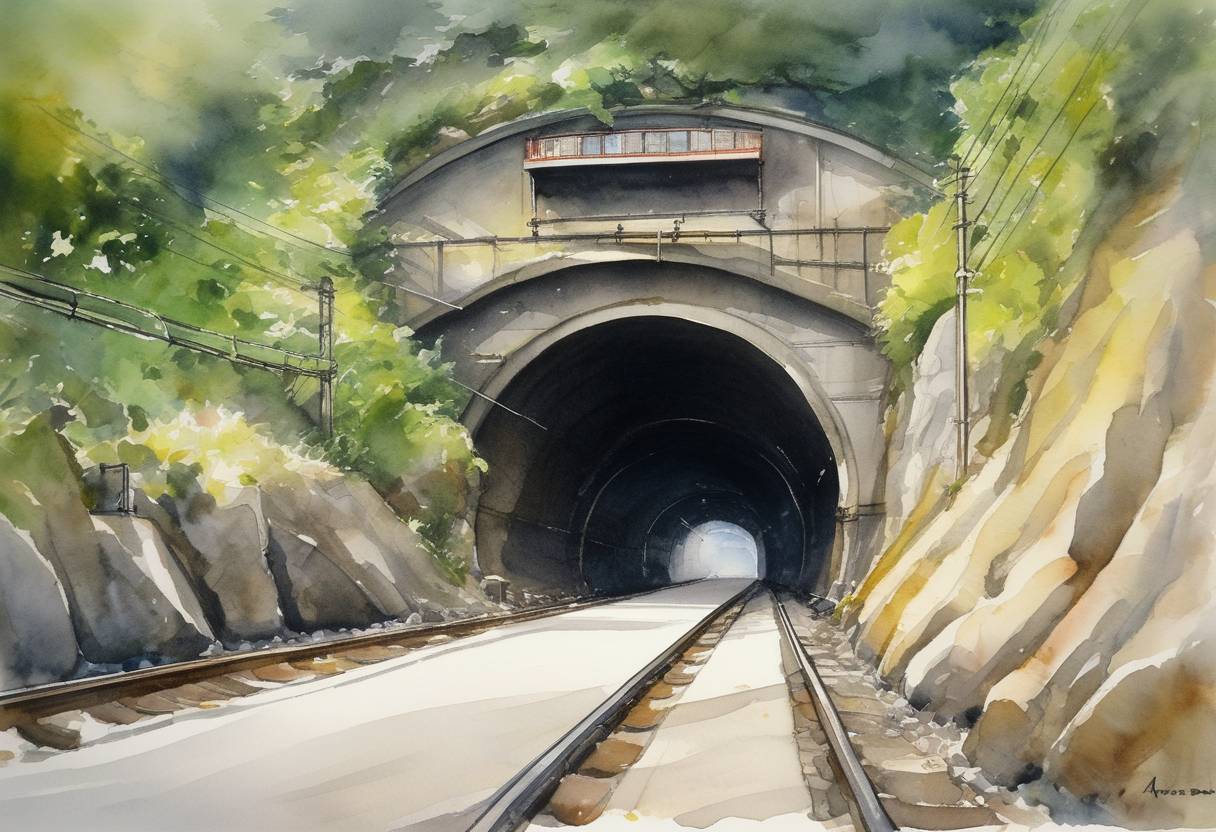
The Seikan Tunnel, a marvel of engineering and the longest and deepest operational rail tunnel at the time, was officially opened on March 13, 1988. Connecting the Japanese islands of Honshu and Hokkaido, this feat under the Tsugaru Strait marked a significant achievement in transportation infrastructure.
The idea for a tunnel under the Tsugaru Strait dates back to the early 20th century, stemming from the need for a reliable and efficient connection between Japan’s largest islands. However, the project gained momentum after a series of ferry disasters in the strait, highlighting the necessity for a safer alternative.
Construction of the Seikan Tunnel began in 1971 and faced numerous challenges due to the difficult geological conditions, including high water pressure and seismic activity. Advanced tunneling techniques and technologies were employed, which ultimately contributed to significant advancements in tunnel engineering worldwide.
The Seikan Tunnel significantly improved transportation efficiency between Honshu and Hokkaido, reducing travel time and providing an all-weather route that operated independently of the challenging maritime conditions. It also paved the way for the subsequent development of the Shinkansen (bullet train) line between the two islands, further enhancing connectivity and economic integration.
Upon its opening in 1988, the Seikan Tunnel was heralded as a symbol of human ingenuity and perseverance in overcoming natural obstacles. It remained the world’s longest rail tunnel until the opening of the Swiss Gotthard Base Tunnel in 2016. Today, it continues to serve as a vital piece of infrastructure and an inspiration for modern engineering projects worldwide.
Source: www.japan-guide.com