Establishment of the International Monetary Fund (IMF)
1945 · Washington, D.C., United States
The International Monetary Fund (IMF) was formally established with the signing of the Articles of Agreement by 29 member countries.
March 1, 1947
The International Monetary Fund (IMF) began its financial operations.
Washington, D.C., United States | International Monetary Fund
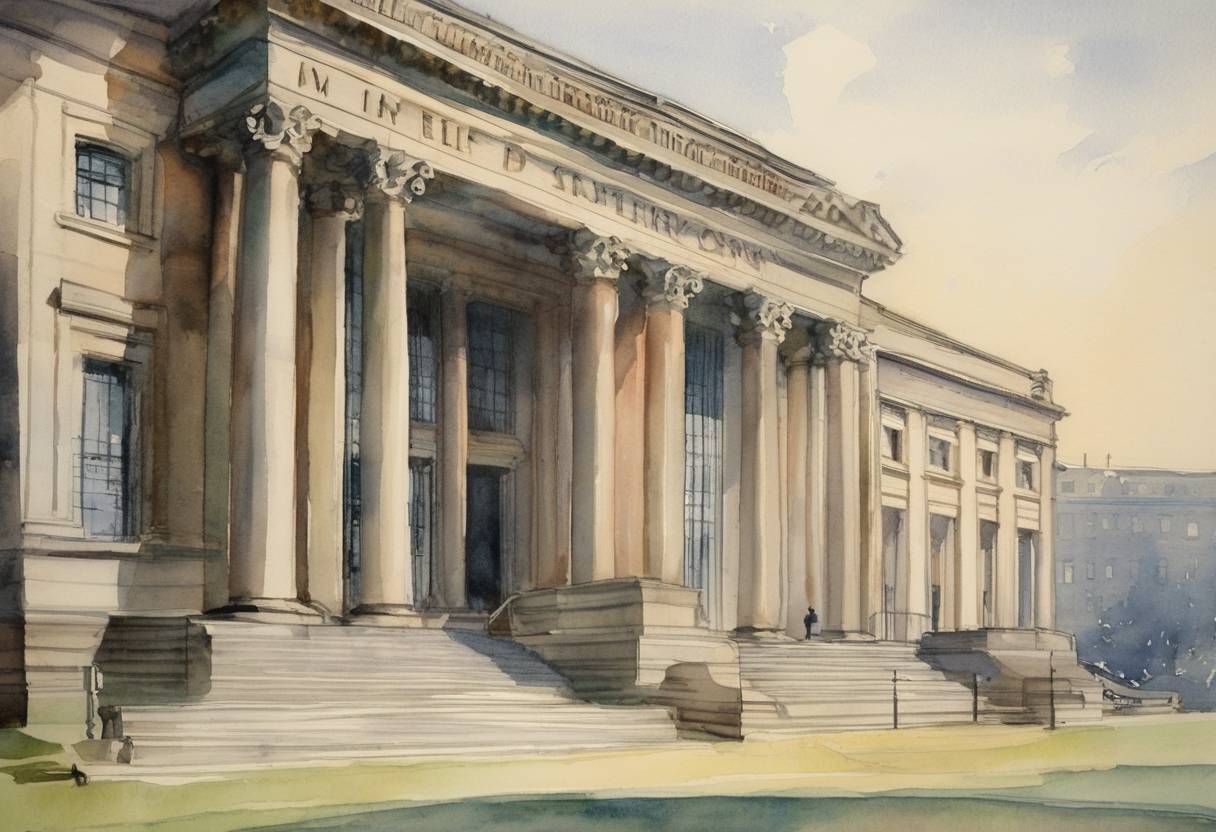
On March 1, 1947, the International Monetary Fund (IMF) officially commenced its financial operations. This milestone marked the operational start of the organization, which had been conceived towards the end of World War II as part of a broader international effort to promote economic stability and prevent the type of financial turmoil that had contributed to the Great Depression and subsequent global conflict.
The IMF was formed in response to the need for economic stability and cooperation in the post-war world. During the United Nations Monetary and Financial Conference held in Bretton Woods, New Hampshire, in July 1944, representatives from 44 Allied nations crafted the framework for an international economic order. The resulting Bretton Woods Agreement established both the IMF and the International Bank for Reconstruction and Development (IBRD), now part of the World Bank Group.
The formal establishment of the IMF occurred on December 27, 1945, when the Articles of Agreement were signed by the initial member countries, but it took time for the organization to become operational. The delay was due to a range of logistical and financial preparations required to begin its activities effectively.
The primary purpose of the IMF was to facilitate international monetary cooperation, secure financial stability, promote high employment and sustainable economic growth, and reduce poverty around the world. It aimed to achieve these objectives by providing a forum for consultation and collaboration on international monetary issues, offering financial assistance to countries facing balance of payments difficulties, and facilitating the expansion and balanced growth of international trade.
Upon commencing its financial operations in 1947, the IMF began offering loans to its member countries. These loans were primarily short-term and aimed at helping countries stabilize their economies by correcting imbalances in their balance of payments. This assistance would be conditional upon the recipient countries implementing policy changes to address the root causes of their economic issues.
The IMF’s work became a cornerstone in the architecture of global economic governance and significantly contributed to economic recovery and development in the post-war era. By providing the much-needed international monetary cooperation and financial assistance, it helped stabilize the global economy and paved the way for the reconstruction and growth of war-torn and developing countries.
As the world economy evolved, so too did the role of the IMF, which has continuously adapted its strategies and tools in response to new economic challenges. From the initial focus on exchange rate stability to addressing the global financial crisis, the IMF has been instrumental in managing economic challenges globally.
The beginning of its financial operations on March 1, 1947, stands as a foundational moment in the history of international economic cooperation, laying the groundwork for decades of economic policy coordination and financial stability efforts that would follow.
Source: en.wikipedia.org