Riots Erupt in Delhi Over the Citizenship Amendment Act - February 23, 2020
2020 · Delhi, India
Riots erupt in Delhi, India, over the Citizenship Amendment Act, leading to significant violence and casualties.
May 11, 2000
India's population officially reached one billion, marked by the birth of a baby girl named Astha Arora in Delhi.
Delhi, India | Government of India
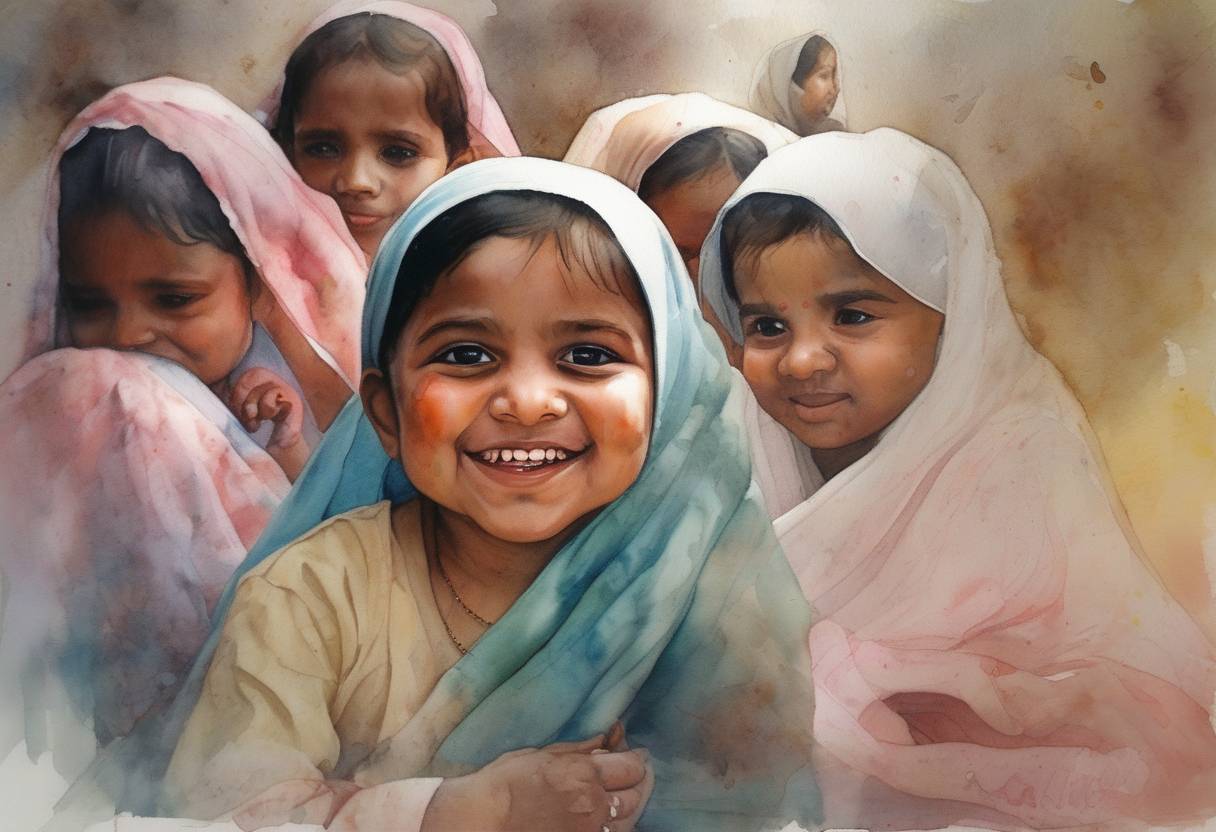
On May 11, 2000, India marked a significant milestone in its demographic history when its population officially reached one billion. This momentous occasion was symbolically represented by the birth of a baby girl named Astha Arora in the capital city of New Delhi.
Population Growth: India experienced rapid population growth throughout the 20th century. From a population of approximately 361 million in 1951, the country saw a dramatic increase due to improvements in healthcare, a decrease in mortality rates, and high birth rates.
Economic and Social Factors: The burgeoning population was both a challenge and an opportunity for India. It posed challenges in terms of resource allocation, infrastructure, and employment, but also offered a vast labor force and potential market for economic growth.
Census and Projections: The Indian government, through its census operations, had been closely monitoring population trends. Projections indicated that the billionth mark would be reached around the year 2000.
Government Initiatives: In response to the rapid population growth, India had implemented various family planning and population control measures since the 1950s. These included awareness campaigns and the promotion of contraceptive use.
Symbolic Representation: Astha Arora’s birth was chosen to symbolize the billionth Indian citizen. Her birth was celebrated with much fanfare and media attention, highlighting the demographic milestone.
Significance: The event underscored the challenges and opportunities associated with India’s large population. It sparked discussions on sustainable development, resource management, and the need for continued efforts in population control.
Policy Implications: The milestone prompted the Indian government to intensify its focus on population stabilization policies. It also highlighted the importance of education, especially for women, as a means to control population growth.
Global Perspective: India’s population reaching one billion was a significant event on the global stage, emphasizing the country’s growing importance in international affairs and its potential as a major economic power.
Demographic Dividend: The large population, particularly the youthful demographic, was seen as a potential demographic dividend that could drive economic growth if harnessed effectively through education and employment opportunities.
Sustainable Development Goals: The event highlighted the need for India to balance population growth with sustainable development, aligning with global efforts to achieve the United Nations Sustainable Development Goals (SDGs).
In summary, the birth of Astha Arora on May 11, 2000, symbolized a pivotal moment in India’s demographic journey, reflecting both the challenges and opportunities of a rapidly growing population.
Source: www.bbc.com