The Deepwater Horizon Oil Spill: April 21, 2010
2010 · Gulf of Mexico, United States
The Deepwater Horizon oil spill began in the Gulf of Mexico, leading to one of the largest environmental disasters in U.S. history.
April 26, 2010
The Deepwater Horizon oil spill, one of the largest environmental disasters in U.S. history, continued to unfold as efforts to contain the spill were underway. The spill began on April 20, 2010, following an explosion on the Deepwater Horizon oil rig in the Gulf of Mexico.
Gulf of Mexico, United States | BP
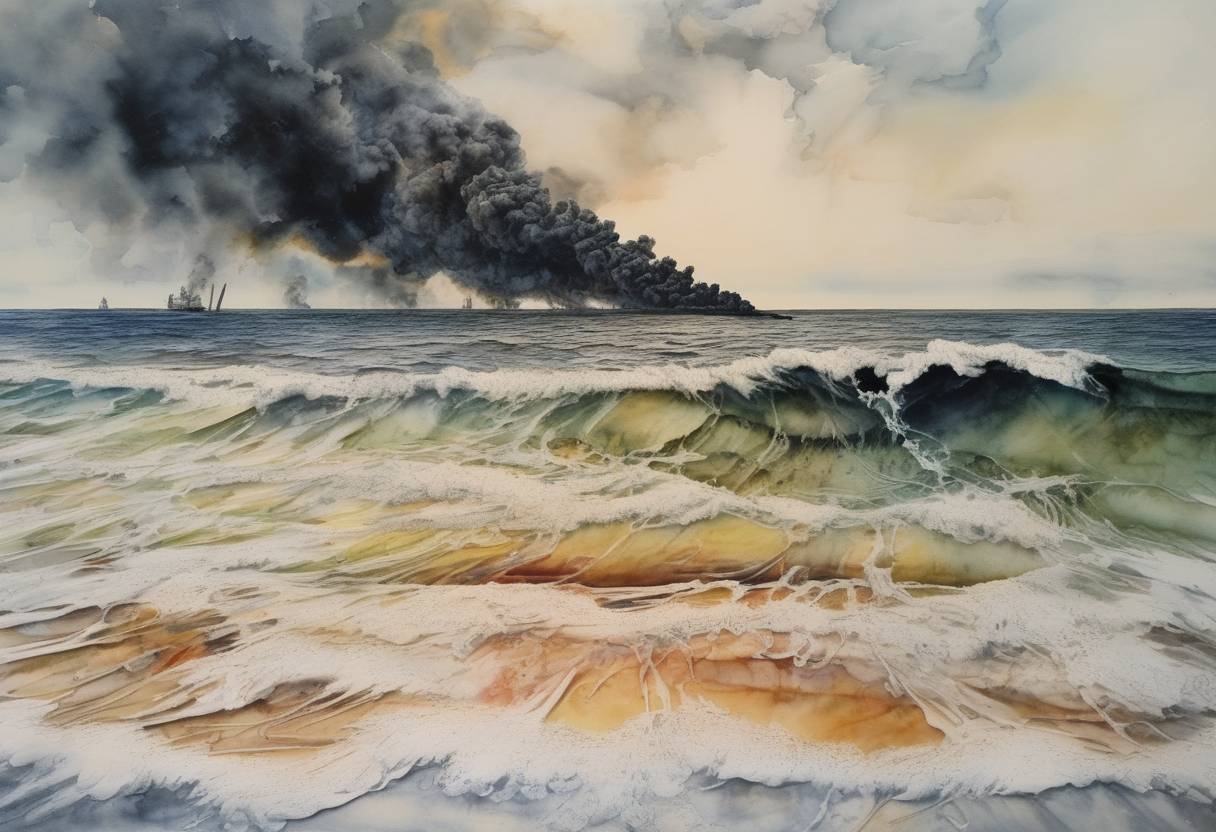
On April 20, 2010, the Deepwater Horizon oil rig, operated by Transocean and owned by BP, experienced a catastrophic blowout while drilling an exploratory well in the Macondo Prospect, located in the Gulf of Mexico. This disaster led to one of the largest environmental catastrophes in U.S. history.
April 20, 2010: The blowout resulted in a massive explosion on the rig, leading to the deaths of 11 workers and the eventual sinking of the rig on April 22. The explosion caused a subsea oil well blowout, releasing oil into the Gulf of Mexico.
April 22, 2010: The rig sank, and the well began leaking oil into the Gulf at an alarming rate. Initial estimates suggested a leak of about 1,000 barrels per day, but this figure was later revised significantly upwards.
By April 26, 2010, efforts to contain the spill were in full swing, though the situation was still dire:
Containment Efforts: BP and other agencies, including the U.S. Coast Guard, were working to contain the spill. Efforts included deploying remotely operated vehicles (ROVs) to assess and attempt to close the blowout preventer (BOP) valves, which had failed to seal the well.
Environmental Impact: The oil spill was spreading rapidly, threatening marine life, coastal ecosystems, and the livelihoods of communities along the Gulf Coast. The spill’s impact on wildlife and habitats was becoming increasingly evident, with oil reaching sensitive coastal areas.
Government Response: The U.S. government, led by the Department of Homeland Security and the Environmental Protection Agency (EPA), was coordinating with BP and other stakeholders to manage the crisis. The National Response Team was activated to oversee the response efforts.
The Deepwater Horizon oil spill had profound implications:
Environmental Consequences: The spill released an estimated 4.9 million barrels of oil into the Gulf over 87 days, causing extensive damage to marine and coastal ecosystems. It remains one of the worst environmental disasters in U.S. history.
Regulatory Changes: The disaster prompted significant changes in offshore drilling regulations and safety standards. It led to increased scrutiny of oil industry practices and the implementation of more stringent safety measures.
Economic Impact: The spill affected the fishing and tourism industries along the Gulf Coast, leading to substantial economic losses and long-term impacts on local communities.
Legal and Financial Repercussions: BP faced numerous lawsuits and was required to pay billions in fines, penalties, and compensation for damages caused by the spill.
The Deepwater Horizon oil spill serves as a stark reminder of the potential risks associated with offshore drilling and the importance of rigorous safety and environmental protections.
Source: www.nationalgeographic.com