Croatia Assumes the Presidency of the Council of the European Union
2020 · Zagreb, Croatia
Croatia assumes the presidency of the Council of the European Union for the first time.
July 1, 2013
Croatia became the 28th member of the European Union.
Zagreb, Croatia | European Union
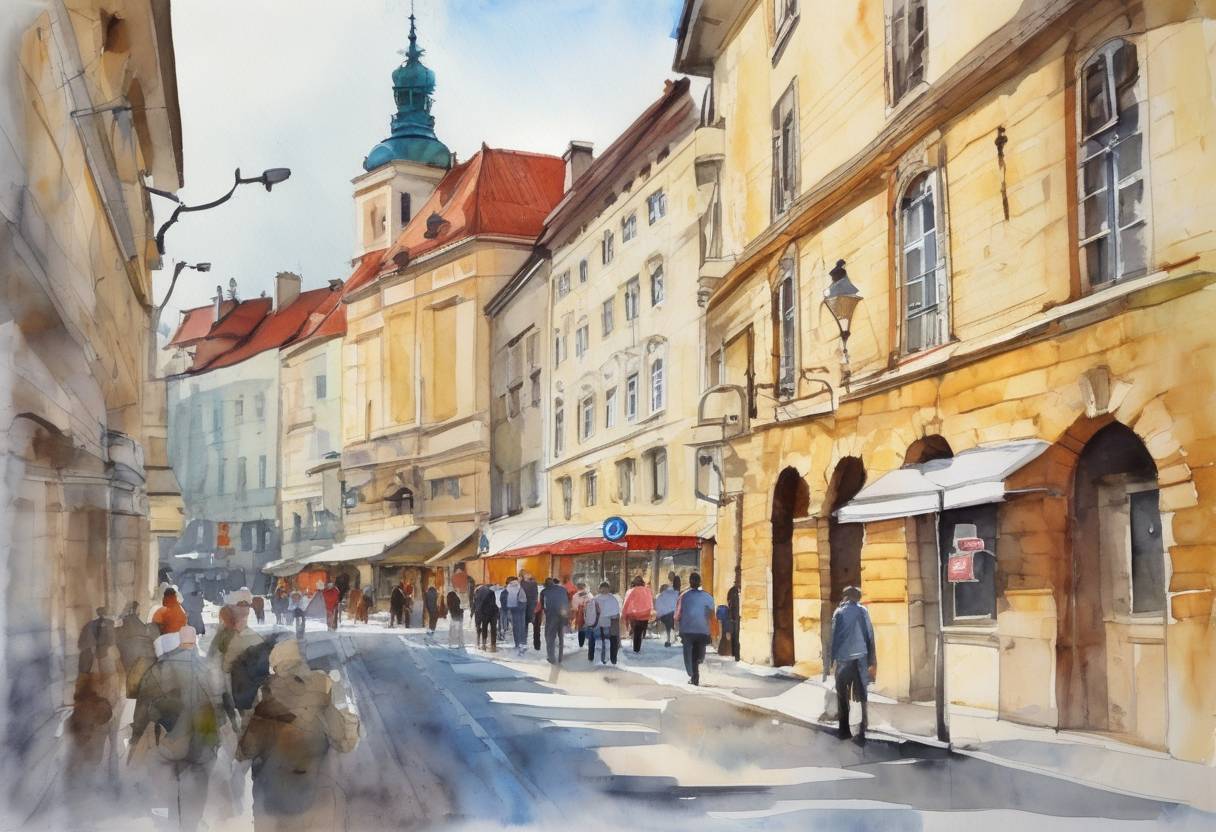
On July 1, 2013, Croatia officially became the 28th member of the European Union (EU), marking a significant milestone in its post-independence history and the EU’s enlargement process. This event was the culmination of a lengthy and complex journey towards European integration, reflecting both Croatia’s aspirations and the EU’s commitment to expanding its membership to include countries from the former Yugoslavia.
Independence and War: Croatia declared independence from Yugoslavia in 1991, leading to a brutal war that lasted until 1995. The conflict left the country with significant economic and infrastructural challenges.
Stabilization and Association Agreement: Croatia signed a Stabilization and Association Agreement (SAA) with the EU in 2001, which served as a framework for cooperation and a precursor to full membership. This agreement was part of the EU’s broader Stabilization and Association Process aimed at the Western Balkans.
EU Membership Application: Croatia applied for EU membership in 2003. The European Commission granted candidate status in 2004, initiating a rigorous process of reforms and negotiations.
Negotiations: Formal accession negotiations began in October 2005. These negotiations required Croatia to align its institutions, policies, and legislation with EU standards across 35 chapters covering various sectors.
Reforms and Challenges: Croatia had to undertake significant reforms, particularly in areas such as judicial reform, anti-corruption measures, and cooperation with the International Criminal Tribunal for the former Yugoslavia (ICTY).
Public Support and Referendum: Despite challenges, public support for EU membership remained relatively strong. In January 2012, a national referendum saw 66% of voters in favor of joining the EU.
Accession Treaty: The Accession Treaty was signed in December 2011, and after ratification by all EU member states, Croatia was set to join the EU on July 1, 2013.
Economic and Political Integration: Joining the EU provided Croatia with access to the single market, structural funds, and a platform for political influence within Europe. It also marked a step towards greater stability and prosperity.
Regional Implications: Croatia’s accession was seen as a positive signal for other Western Balkan countries aspiring to join the EU, demonstrating that the path to membership was achievable with the necessary reforms.
Challenges Ahead: Despite the benefits, Croatia faced challenges such as economic restructuring, unemployment, and ensuring the continued implementation of EU standards.
Croatia’s accession to the European Union on July 1, 2013, was a testament to its resilience and commitment to European integration. It highlighted the EU’s role in promoting peace and stability in the Balkans and underscored the importance of reform and cooperation in achieving membership. As the 28th member, Croatia’s journey to the EU serves as an example for other nations in the region seeking to follow a similar path.
Source: europa.eu