May 26, 2019

The European Parliament election concludes, with significant gains for green and liberal parties, reflecting a shift in the political landscape of the European Union.


Brussels, Belgium | European Union
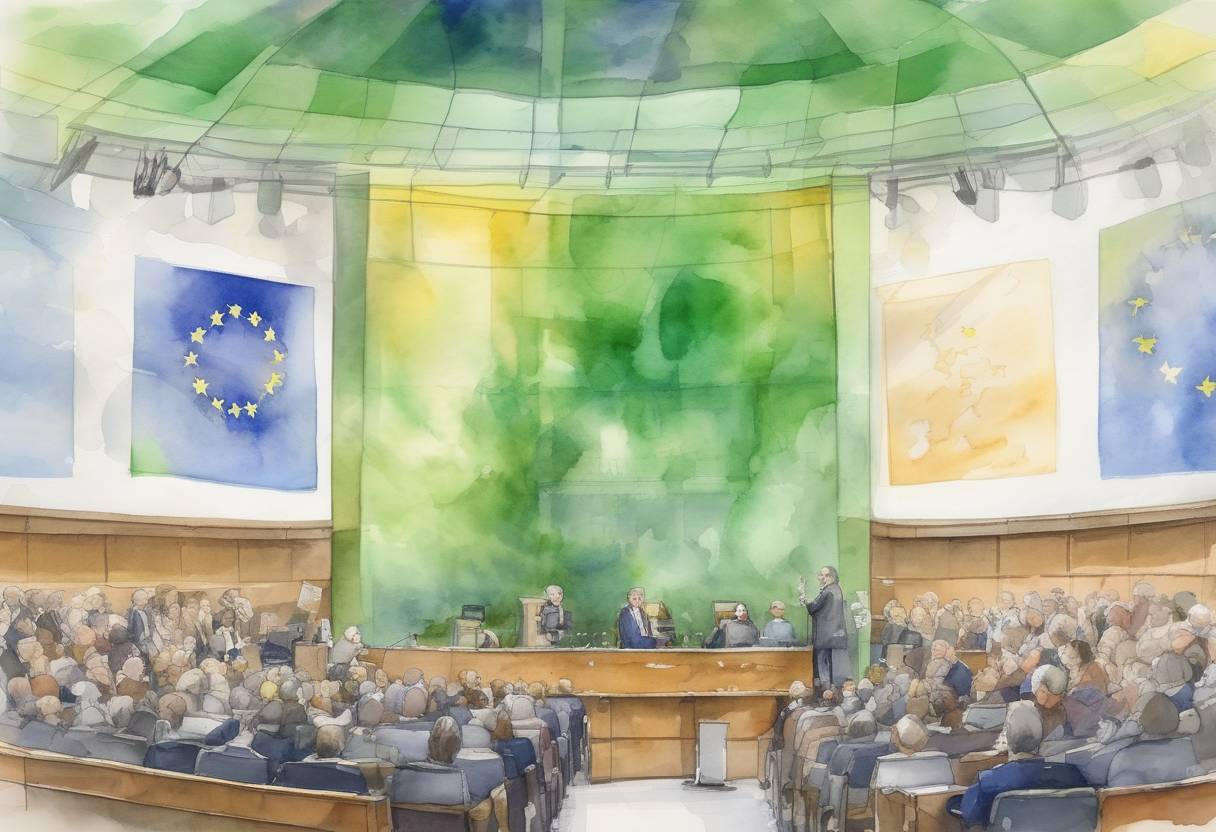
Watercolor painting based depiction of The European Parliament election concludes, with significant gains for green and liberal parties, reflecting a shift in the political landscape of the European Union. (2019)

European Parliament Election of 2019: A Shift in the Political Landscape

Overview

The European Parliament election of 2019, which concluded on May 26, marked a significant shift in the political landscape of the European Union. This election was notable for the substantial gains made by green and liberal parties, reflecting changing priorities among European voters.

Context

The European Parliament elections are held every five years, allowing citizens of EU member states to elect Members of the European Parliament (MEPs). The 2019 election was particularly significant due to several factors:

  • Brexit: The United Kingdom’s decision to leave the EU had created political uncertainty and heightened interest in the election.
  • Climate Change: Growing awareness and concern about environmental issues influenced voter behavior.
  • Populism and Nationalism: The rise of populist and nationalist parties across Europe added a layer of complexity to the political landscape.

Key Outcomes

  1. Green Parties:

    • Green parties across Europe made significant gains, particularly in countries like Germany, France, and Ireland. The German Green Party, for instance, doubled its vote share compared to the previous election.
    • This surge was largely attributed to increased voter concern over climate change and environmental policies.
  2. Liberal Parties:

    • The Alliance of Liberals and Democrats for Europe (ALDE), which later became part of the Renew Europe group, also saw an increase in support.
    • The inclusion of French President Emmanuel Macron’s La République En Marche! bolstered the liberal bloc’s influence.
  3. Traditional Parties:

    • The center-right European People’s Party (EPP) and the center-left Progressive Alliance of Socialists and Democrats (S&D) both lost seats, although they remained the two largest groups in the Parliament.
    • This decline signaled a shift away from traditional political power structures.
  4. Populist and Nationalist Parties:

    • While populist and nationalist parties gained ground in some countries, their overall impact was less than anticipated, as they did not form a cohesive bloc.

Broader Significance

The 2019 European Parliament election highlighted several important trends:

  • Environmental Concerns: The success of green parties underscored the growing importance of environmental issues in European politics.
  • Fragmentation: The decline of traditional parties and the rise of smaller, issue-focused parties indicated a more fragmented political landscape.
  • European Integration: The election results suggested a complex relationship between national and European identities, with varying levels of support for further integration.

Aftermath

The election results led to a more diverse and dynamic European Parliament, with increased influence for green and liberal voices. This shift had implications for EU policy-making, particularly in areas such as climate policy, economic reform, and digital regulation. The election also set the stage for future debates on the EU’s direction and priorities.

In conclusion, the 2019 European Parliament election was a pivotal moment that reflected changing voter priorities and set the tone for the EU’s political future.