The First Known Cheque Written in England - February 16, 1659
1659 · London, England
The first known cheque is written in England.
May 31, 1669
Samuel Pepys, the English naval administrator and Member of Parliament, recorded the last entry in his famous diary, which provides a detailed first-hand account of major events in 17th-century England.
London, England
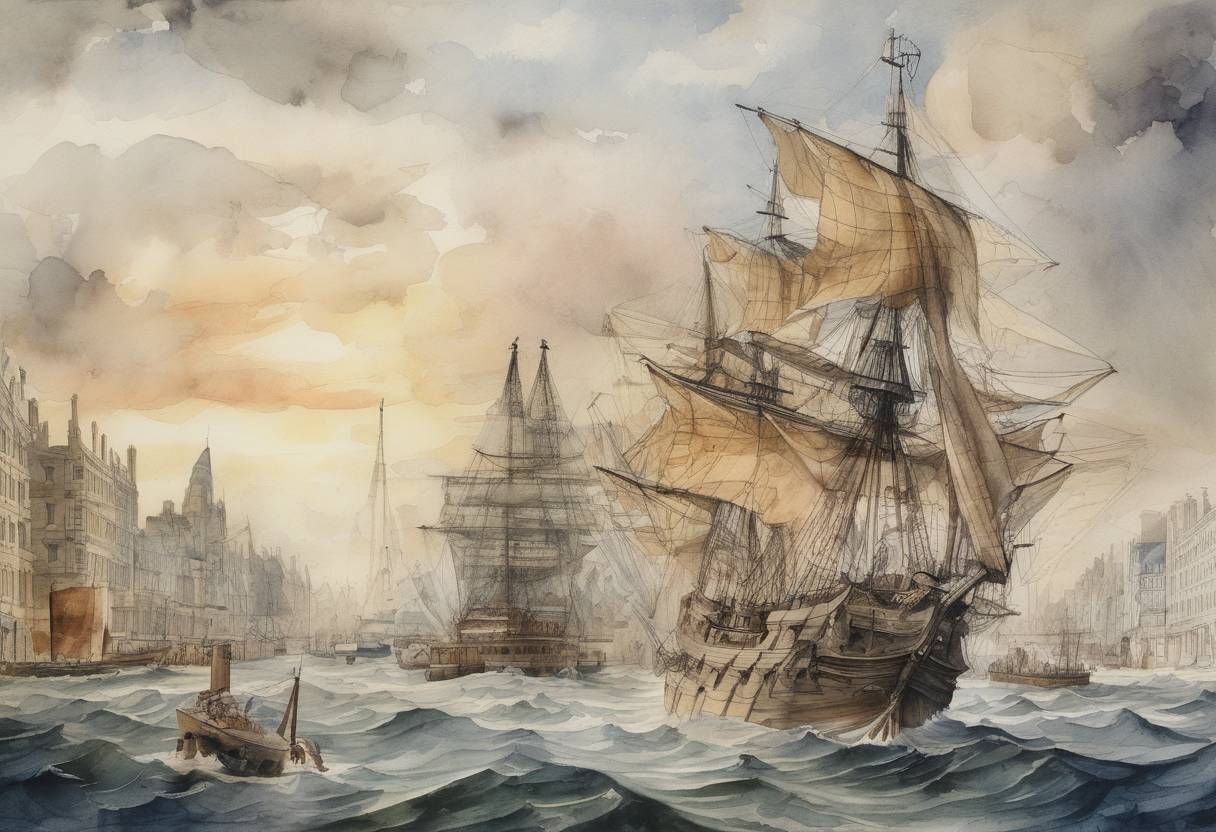
Samuel Pepys, an eminent English naval administrator and Member of Parliament, is best known for his detailed diary, which he maintained from 1660 to 1669. The diary is a crucial primary source for historians, offering a vivid first-hand account of significant events in 17th-century England, including the Great Plague of London, the Great Fire of London, and the Second Anglo-Dutch War.
Early Life and Career: Born on February 23, 1633, Pepys was educated at St Paul’s School and later at Magdalene College, Cambridge. He began his career in the service of the Navy, eventually becoming the Chief Secretary to the Admiralty under both King Charles II and King James II.
The Diary: Pepys started his diary on January 1, 1660, using a shorthand system called tachygraphy. Over the next nine years, he meticulously documented his daily life, professional activities, and the political and social climate of the time.
On May 31, 1669, Samuel Pepys made the difficult decision to cease writing his diary. The primary reason for this was his deteriorating eyesight, which he feared might lead to blindness if he continued to strain his eyes with writing.
Health Concerns: Pepys expressed his concern over his failing eyesight, which had been troubling him for some time. He noted that his doctors advised him to stop writing to prevent further damage.
Emotional Reflection: In his final entry, Pepys reflected on the past years, expressing gratitude for the life he had led and the experiences he had documented. He acknowledged the diary as a significant part of his life, which had provided him with a means to record and reflect upon his experiences.
A Sense of Closure: Although he hoped to resume writing in the future, Pepys accepted the necessity of ending his diary. He concluded with a sense of resignation but also with hope for his continued health and well-being.
Cultural and Historical Insights: Pepys’s diary offers unparalleled insights into the daily life, politics, and major events of 17th-century England. It provides historians with detailed accounts of the Restoration period, including the coronation of Charles II and the social and cultural milieu of London.
Personal Perspective: The diary is valued not only for its historical content but also for its candid portrayal of Pepys’s personal life, including his ambitions, relationships, and moral reflections.
Legacy: After Pepys’s death in 1703, the diary remained largely unknown until it was deciphered and published in the 19th century. Today, it is considered one of the most important documents of its time, offering a unique window into the past.
Samuel Pepys’s diary remains a testament to the power of personal narrative in understanding history, providing future generations with a rich and detailed account of a transformative period in English history.
Source: en.wikipedia.org