Junko Tabei: First Woman to Summit Mount Everest
1975 · Mount Everest, Nepal
Junko Tabei becomes the first woman to reach the summit of Mount Everest.
May 25, 2001
Erik Weihenmayer becomes the first blind person to reach the summit of Mount Everest.
Mount Everest, Nepal | None
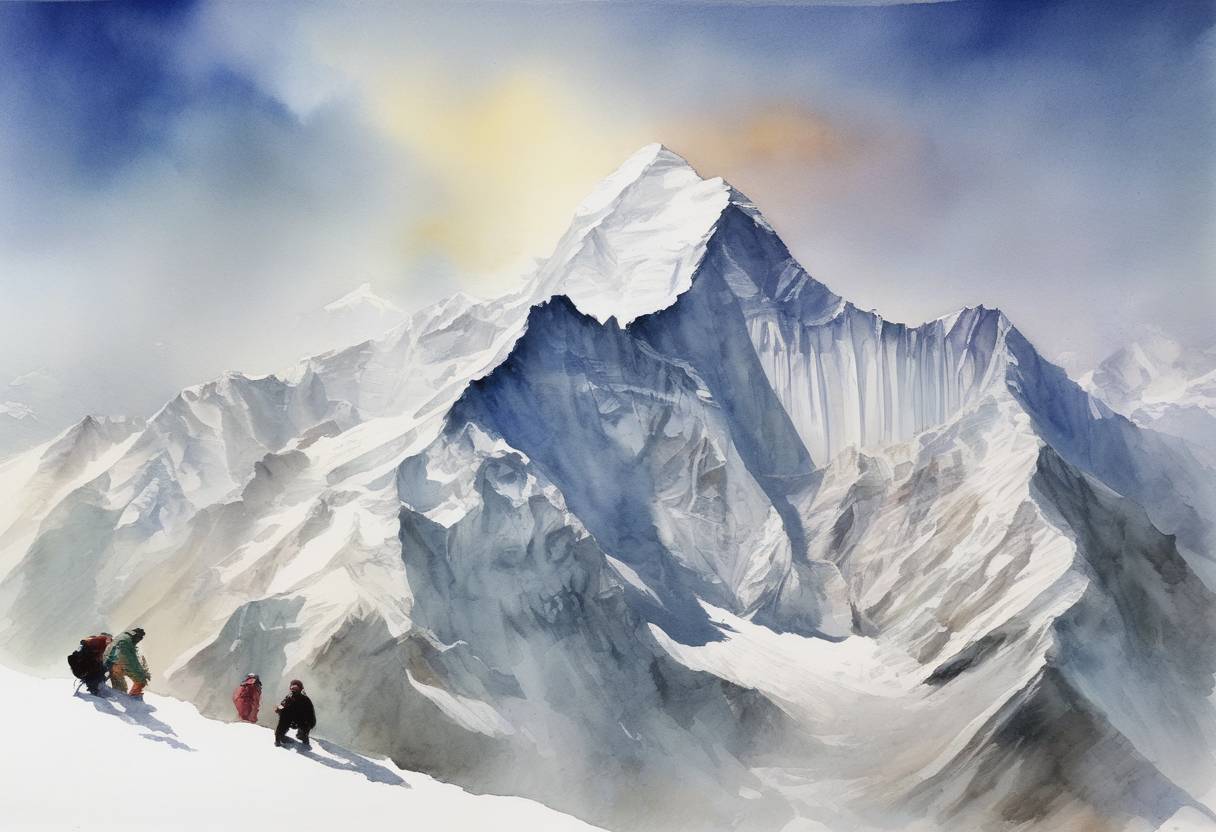
On May 25, 2001, Erik Weihenmayer achieved a remarkable feat by becoming the first blind person to reach the summit of Mount Everest, the world’s highest peak at 29,032 feet (8,848 meters). This extraordinary accomplishment not only marked a significant milestone in mountaineering history but also served as an inspiring testament to human resilience and determination.
Erik Weihenmayer was born on September 23, 1968, in Princeton, New Jersey. He was diagnosed with retinoschisis, a rare eye disease, and became completely blind by the age of 13. Despite this challenge, Weihenmayer pursued an active lifestyle, engaging in various sports and eventually discovering a passion for climbing.
Weihenmayer’s journey to Everest was not spontaneous; it was the culmination of years of preparation and experience. Prior to his Everest expedition, he had already climbed several major peaks, including Denali in North America, Kilimanjaro in Africa, and Aconcagua in South America. These climbs were part of his quest to complete the Seven Summits, the highest peaks on each of the seven continents.
The Everest expedition was organized by the National Federation of the Blind and led by experienced mountaineer Pasquale Scaturro. The team included a group of skilled climbers who supported Weihenmayer throughout the ascent. The climb required meticulous planning, rigorous training, and adaptation to the unique challenges posed by Weihenmayer’s blindness.
The team began their ascent from the south side of Everest, following the traditional route through the Khumbu Icefall, Western Cwm, and the South Col. Weihenmayer relied on his acute sense of hearing and touch, as well as verbal cues from his teammates, to navigate the treacherous terrain.
On May 25, 2001, after weeks of acclimatization and climbing, Weihenmayer and his team reached the summit. This historic moment was a triumph not only for Weihenmayer but also for the broader community of individuals with disabilities, demonstrating that physical limitations do not preclude extraordinary achievements.
Erik Weihenmayer’s successful ascent of Mount Everest garnered international attention and inspired countless individuals around the world. His achievement challenged perceptions of disability and highlighted the importance of perseverance and teamwork.
Following his Everest climb, Weihenmayer continued to pursue adventurous endeavors. He completed the Seven Summits in 2008 and has engaged in various activities, including kayaking the Grand Canyon. He is also a motivational speaker and author, sharing his experiences to encourage others to overcome their own challenges.
Weihenmayer’s story is a powerful reminder of the potential within every individual to achieve greatness, regardless of the obstacles they face. His legacy continues to inspire future generations to push beyond perceived limitations and strive for their dreams.
Source: www.nationalgeographic.com