The Moore, Oklahoma Tornado of May 20, 2013
2013 · Moore, United States
A massive tornado strikes Moore, Oklahoma, causing widespread destruction and resulting in 24 fatalities.
March 2, 2012
A series of tornadoes struck the Midwest and Southern United States, causing widespread damage and resulting in the deaths of 41 people.
Henryville, United States | National Weather Service
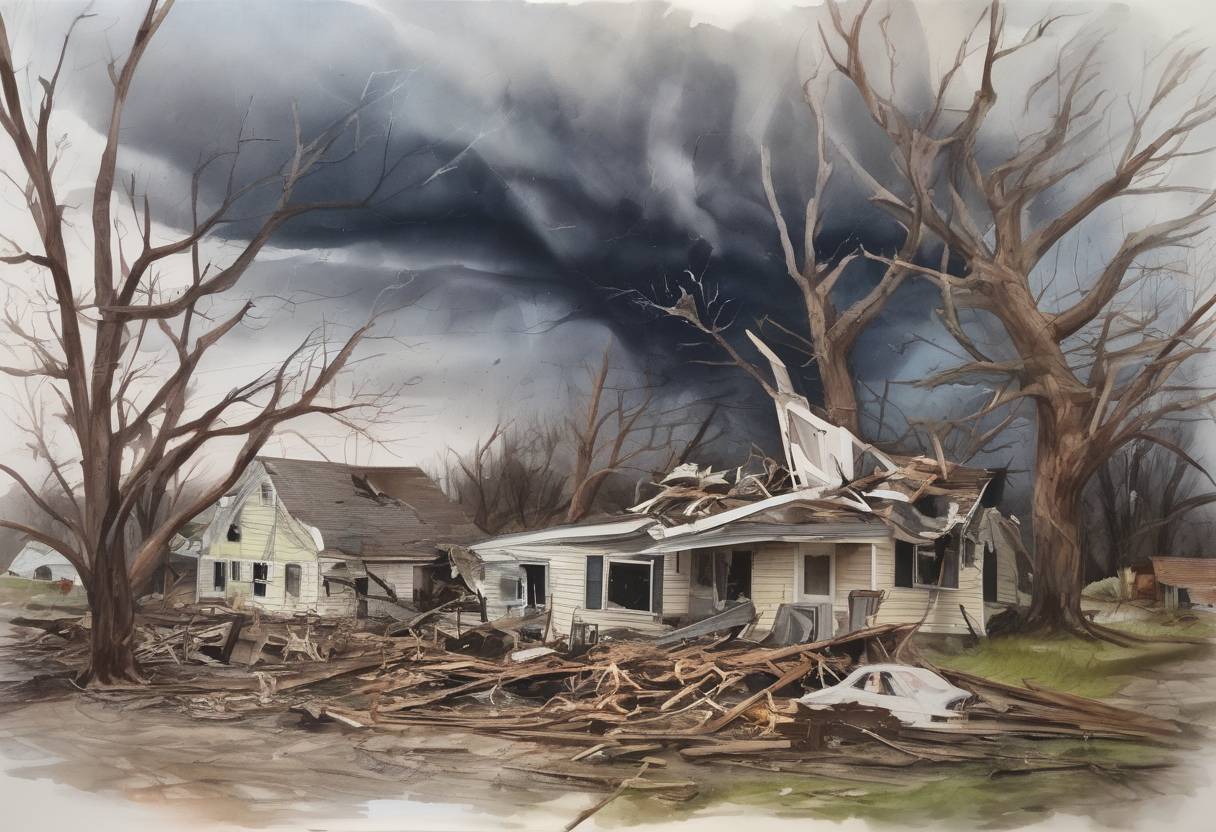
On March 2, 2012, a devastating series of tornadoes struck the Midwest and Southern United States, resulting in widespread destruction and the tragic loss of 41 lives. This event is part of a larger outbreak that spanned from February 28 to March 3, 2012, affecting several states across the central and southern regions of the country.
The outbreak was fueled by a potent combination of meteorological factors. A strong low-pressure system moved across the central United States, interacting with warm, moist air from the Gulf of Mexico and cooler, drier air from the north. This created an unstable atmosphere conducive to severe thunderstorms and tornado formation.
The March 2, 2012, tornado outbreak is remembered as one of the deadliest and most destructive in recent U.S. history. It highlighted the importance of emergency preparedness and the need for improved warning systems to mitigate the impact of such natural disasters. The event also underscored the vulnerability of certain regions to severe weather, prompting discussions on building codes and community planning to enhance resilience against future tornadoes.
This outbreak serves as a somber reminder of the power of nature and the ongoing challenges in predicting and responding to severe weather events.
Source: www.cnn.com