The Moore, Oklahoma Tornado of May 20, 2013
2013 · Moore, United States
A massive tornado strikes Moore, Oklahoma, causing widespread destruction and resulting in 24 fatalities.
March 1, 2007
Tornadoes in the southern United States caused widespread damage and resulted in the deaths of 20 people.
Enterprise, United States | National Weather Service
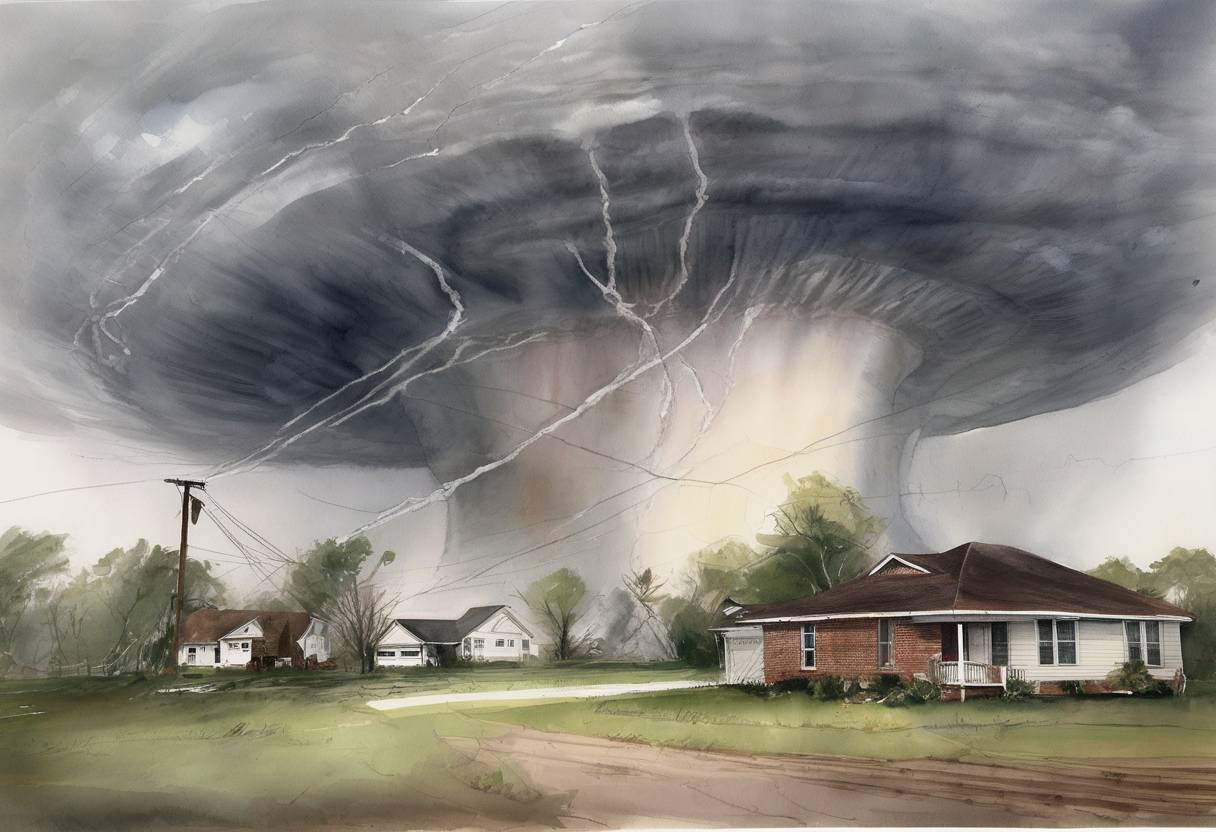
On March 1, 2007, a devastating tornado outbreak swept across the southern United States, causing widespread destruction and resulting in the tragic loss of 20 lives. This severe weather event was part of a larger system that affected several states, including Alabama, Georgia, and Missouri, and is remembered for its intensity and the significant impact it had on the affected communities.
The outbreak was fueled by a potent combination of atmospheric conditions typical for early spring in the southern U.S. A strong cold front moving across the region collided with warm, moist air from the Gulf of Mexico, creating an unstable environment conducive to the development of severe thunderstorms and tornadoes. The presence of a powerful jet stream further enhanced the potential for severe weather.
Enterprise, Alabama: One of the most tragic incidents occurred in Enterprise, Alabama, where an EF4 tornado struck Enterprise High School. The tornado caused extensive damage to the school, resulting in the deaths of eight students. The community was left devastated by the loss and the destruction of the school infrastructure.
Georgia: In Georgia, several tornadoes touched down, causing significant damage to homes and businesses. The town of Americus was particularly hard-hit, with an EF3 tornado causing fatalities and widespread destruction.
Missouri and Other States: The storm system also affected parts of Missouri and other states in the region, with numerous reports of tornadoes, severe thunderstorms, and damaging winds.
In the wake of the tornado outbreak, emergency services and local authorities responded swiftly to provide aid and support to the affected communities. The Federal Emergency Management Agency (FEMA) and other organizations were involved in the recovery efforts, offering assistance to those who had lost homes and loved ones.
The event highlighted the importance of tornado preparedness and the need for effective warning systems. In the aftermath, many communities reviewed and improved their emergency response plans to better protect residents in future severe weather events.
The March 1, 2007, tornado outbreak serves as a stark reminder of the destructive power of tornadoes and the vulnerability of communities in tornado-prone regions. It underscored the necessity for robust building codes, effective communication systems, and public awareness campaigns to mitigate the impact of such natural disasters.
This event is part of a broader pattern of severe weather in the United States, which has prompted ongoing research into tornado prediction and response strategies, aiming to reduce casualties and improve resilience against future outbreaks.
Source: www.weather.gov