The Opening of The Anne Frank House Museum
1960 · Amsterdam, Netherlands
The Anne Frank House museum opened in Amsterdam, Netherlands.
June 25, 1947
The Diary of a Young Girl by Anne Frank was published for the first time in the Netherlands.
Amsterdam, Netherlands | Contact Publishing
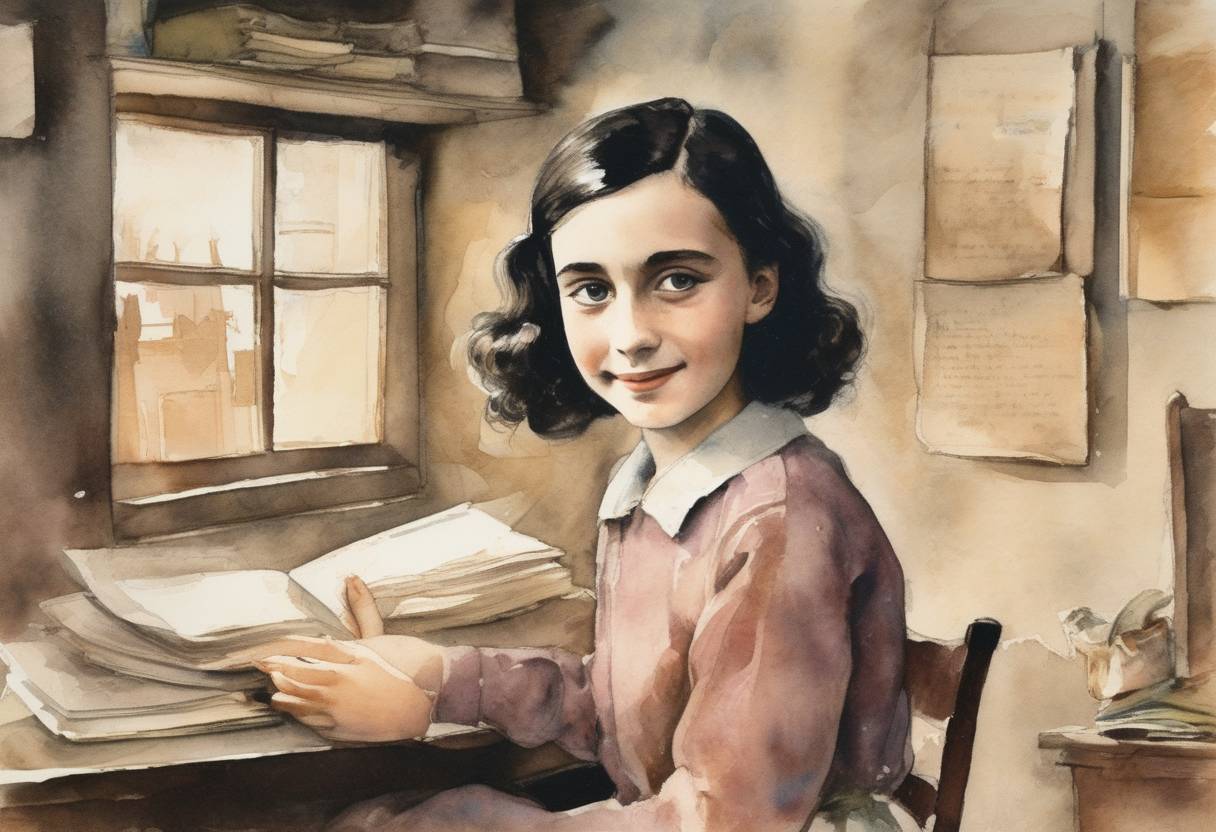
On June 25, 1947, The Diary of a Young Girl, also known as The Diary of Anne Frank, was published for the first time in the Netherlands. This publication marked the beginning of the diary’s journey to becoming one of the most poignant and influential accounts of the Holocaust.
Anne Frank, a Jewish girl, wrote her diary while hiding with her family in Amsterdam during the Nazi occupation of the Netherlands. The Frank family, along with four other people, hid in the secret annex of Otto Frank’s business premises from July 1942 until their arrest in August 1944. During this time, Anne documented her thoughts, fears, and experiences in her diary, which she addressed to an imaginary friend named “Kitty.”
After the war, Otto Frank, Anne’s father and the only surviving member of the family, returned to Amsterdam. Miep Gies, one of the helpers who had supported the family during their time in hiding, had preserved Anne’s writings. Upon receiving the diary, Otto was deeply moved by his daughter’s insights and determination to become a writer.
Recognizing the importance of Anne’s words, Otto Frank sought to fulfill her wish of becoming a published author. He edited the diary, removing certain sections that were too personal or critical of others, and approached several publishers. Eventually, the Dutch publisher Contact agreed to publish the diary.
The first edition, titled Het Achterhuis (The Secret Annex), was released in Dutch on June 25, 1947. The book received positive reviews and gradually gained attention beyond the Netherlands. Its translation into English in 1952, under the title Anne Frank: The Diary of a Young Girl, helped it reach a global audience.
The diary has since been translated into numerous languages and adapted into plays and films, becoming a powerful symbol of the human cost of war and the resilience of the human spirit. It serves as an educational tool and a reminder of the atrocities of the Holocaust, emphasizing the importance of tolerance and human rights.
Anne Frank’s diary remains a vital historical document and a testament to the experiences of millions of Jews who suffered during the Holocaust. It continues to inspire readers worldwide with its message of hope and the enduring belief in the goodness of people, despite the horrors Anne and her family faced.
The publication of The Diary of a Young Girl not only fulfilled Anne’s dream of becoming a writer but also ensured that her voice, and the voices of countless others who perished, would never be forgotten.
Source: en.wikipedia.org