Fidel Castro's Retirement and Raúl Castro's Election
2008 · Havana, Cuba
Fidel Castro retired as the President of Cuba, ending nearly 50 years of rule. His brother, Raúl Castro, was elected as the new President by the National Assembly.
April 20, 2018
Cuba's National Assembly elected Miguel Díaz-Canel as the new President, marking the end of the Castro era in Cuban leadership.
Havana, Cuba | Cuban National Assembly
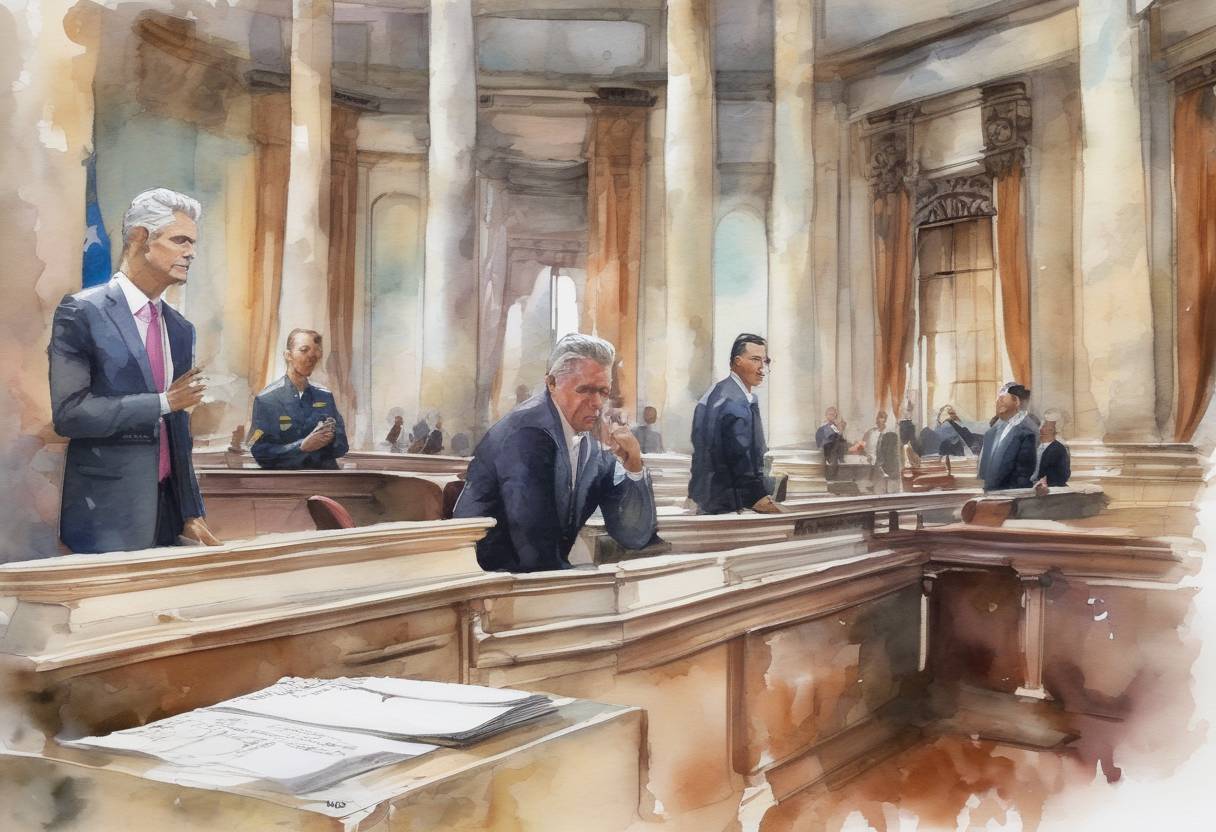
On April 19, 2018, the National Assembly of People’s Power in Cuba elected Miguel Díaz-Canel as the new President of the Council of State and the Council of Ministers, marking a significant transition in Cuban leadership. This event symbolized the end of the Castro era, as Díaz-Canel succeeded Raúl Castro, who, along with his brother Fidel Castro, had been at the helm of Cuban politics for nearly six decades.
Fidel Castro’s Leadership: Fidel Castro led the Cuban Revolution, overthrowing the Batista regime in 1959. He established a socialist state and ruled as Prime Minister and later as President until 2008, when he stepped down due to health issues.
Raúl Castro’s Presidency: Raúl Castro, Fidel’s younger brother, took over the presidency in 2008. He initiated several economic reforms aimed at modernizing the Cuban economy, including the expansion of private enterprise and improved relations with the United States.
Political Career: Miguel Díaz-Canel, born in 1960, is an electrical engineer by training. He joined the Communist Party of Cuba in 1987 and steadily rose through the ranks, serving as Minister of Higher Education and later as Vice President.
Vice Presidency: In 2013, Díaz-Canel was appointed First Vice President, positioning him as the heir apparent to Raúl Castro. His appointment was seen as a move towards generational change within the Cuban leadership.
Election by the National Assembly: On April 19, 2018, Díaz-Canel was elected by the National Assembly with 603 out of 604 votes. This election was part of a broader generational shift, as many younger leaders assumed key positions within the government.
Raúl Castro’s Continued Influence: Although Raúl Castro stepped down as President, he remained the First Secretary of the Communist Party until 2021, ensuring continuity and stability during the transition.
End of an Era: Díaz-Canel’s election marked the first time since the 1959 revolution that a Castro was not leading Cuba. This transition was seen as a pivotal moment in Cuban history, reflecting a shift towards a new generation of leadership.
Challenges Ahead: Díaz-Canel faced numerous challenges, including economic reforms, maintaining the socialist principles of the revolution, and navigating international relations, particularly with the United States.
Continuity and Change: While Díaz-Canel pledged to continue the socialist policies of his predecessors, his leadership style and potential reforms were closely watched by both domestic and international observers.
Miguel Díaz-Canel’s presidency represents a crucial juncture in Cuba’s history, balancing the legacy of the Castro era with the demands of a changing world. His leadership continues to shape the future of the island nation.
Source: www.bbc.com