Introduction of the Universal Product Code (UPC)
1972 · Dayton, United States
The first official Universal Product Code (UPC) was introduced.
June 26, 1974
The Universal Product Code (UPC) was scanned for the first time to sell a pack of Wrigley's chewing gum at a supermarket in Troy, Ohio.
Troy, United States | National Cash Register Company
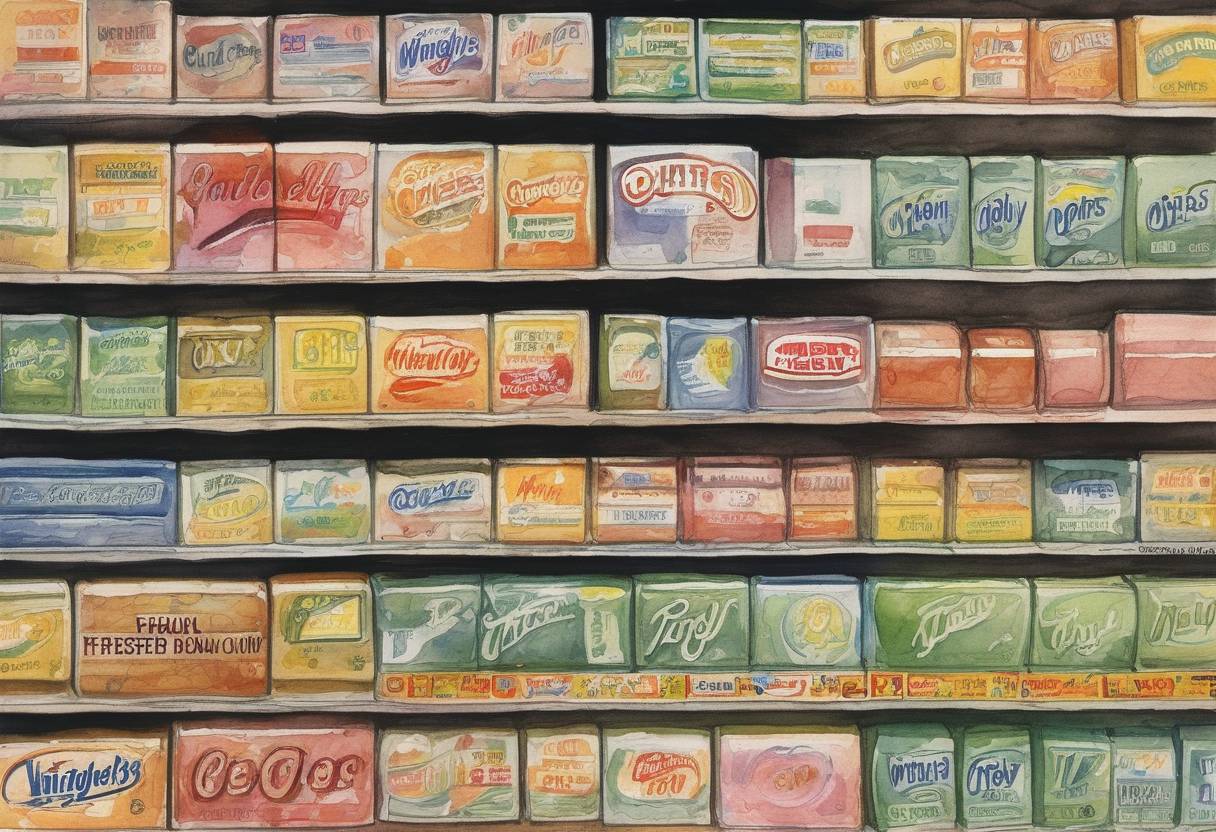
On June 26, 1974, a significant milestone in retail and technology history occurred when the Universal Product Code (UPC) was scanned for the first time. This event took place at a Marsh supermarket in Troy, Ohio, marking the beginning of a new era in inventory management and sales processing.
The concept of the UPC was developed in response to the growing need for a standardized system to streamline the checkout process and improve inventory tracking in retail stores. In the early 1970s, the grocery industry faced challenges due to the increasing variety of products and the inefficiencies of manual price entry. The Uniform Grocery Product Code Council, which later became the Uniform Code Council (UCC), was formed to address these issues.
The UPC system was designed to encode product information in a machine-readable format, allowing for faster and more accurate sales transactions. The code itself consists of a series of black and white bars of varying widths, which represent numerical data that can be scanned by a laser.
The first product to be scanned using a UPC was a 10-pack of Wrigley’s Juicy Fruit chewing gum. This seemingly mundane transaction was conducted by cashier Sharon Buchanan at the Marsh supermarket. The choice of Wrigley’s gum was not particularly significant; it was simply the first item picked up by the customer, Clyde Dawson, who was an executive from the National Cash Register (NCR) Corporation, the company that developed the scanning technology.
The successful implementation of the UPC scanning system revolutionized the retail industry. It led to:
The adoption of UPC technology spread rapidly across the United States and eventually worldwide, becoming a standard in retail operations. Today, the UPC is an integral part of global commerce, facilitating the seamless movement of goods across supply chains.
The first scan of a UPC on June 26, 1974, was a pivotal moment in the history of retail technology. It demonstrated the potential of automated systems to transform business operations and laid the groundwork for future innovations in the industry. The humble pack of Wrigley’s gum that passed over the scanner that day became a symbol of technological progress and efficiency in commerce.
Source: en.wikipedia.org