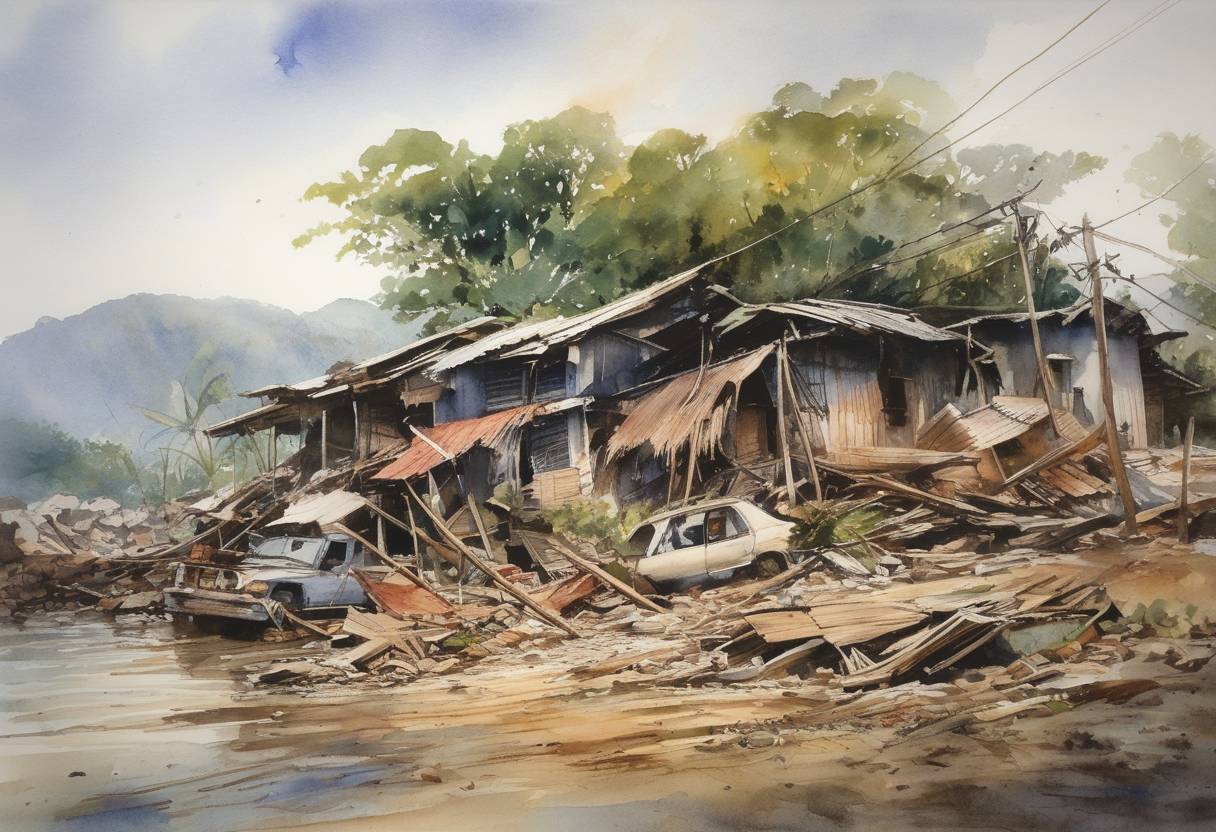
The Flores Earthquake and Tsunami of December 12, 1992
On December 12, 1992, the Flores region in Indonesia was struck by a powerful earthquake measuring 7.8 on the Richter scale. This catastrophic event occurred at around 13:29 local time and was centered near the northern coast of Flores, an island in the eastern part of Indonesia’s Lesser Sunda Islands. The earthquake was one of the most destructive seismic events in the region’s history.
The epicenter of the earthquake was located approximately 35 kilometers southeast of the city of Maumere, which bore the brunt of the initial impact. The seismic activity generated strong ground shaking that was felt across the island and parts of nearby islands such as Alor and Lembata.
Tsunami Following the Earthquake
In addition to the substantial damage caused by the earthquake itself, the event triggered a devastating tsunami. The tsunami waves struck within minutes after the seismic event, impacting coastal villages and towns with waves reported to have reached heights of up to 26 meters (85 feet) in some locations. The tsunami swept through the islands’ coastal areas, exacerbating the destruction and loss of life.
Casualties and Damage
Approximately 2,500 people lost their lives as a result of the earthquake and subsequent tsunami. The majority of the fatalities were linked to the tsunami, which accounted for significant damage along the coastlines, including the devastation of numerous buildings, infrastructure, and homes. Maumere, the capital of the Sikka Regency, suffered extensive damage, with large sections of the city being destroyed or severely impacted.
Emergency Response and Aftermath
Rescue and relief operations were launched in the aftermath, with the Indonesian government and international aid organizations working to provide assistance to the affected populations. The natural disaster prompted an outpouring of support from neighboring regions and international relief efforts, although the geographical remoteness of the areas affected posed significant logistical challenges.
Broader Historical Significance
The Flores Earthquake and Tsunami of 1992 highlighted the vulnerability of Indonesia’s islands to natural disasters, given their location along the Pacific “Ring of Fire,” an area known for its seismic activity. The event further underscored the importance of implementing effective early warning systems and enhancing disaster preparedness among the island populations to mitigate the impacts of future seismic events.
This calamity remains a somber chapter in Indonesia’s history, reflecting both the power of natural forces and the enduring resilience of the communities affected by its devastation.