The Surrender of Muslim Valencia to King James I of Aragon on September 28, 1238
1238 · Valencia, Spain
Muslim Valencia surrendered to the besieging forces of King James I of Aragon.
October 7, 0929
The Kingdom of León is established as a separate entity from the Kingdom of Asturias, marking a significant development in the Christian reconquest of the Iberian Peninsula.
León, Kingdom of León (modern-day Spain) | Kingdom of León
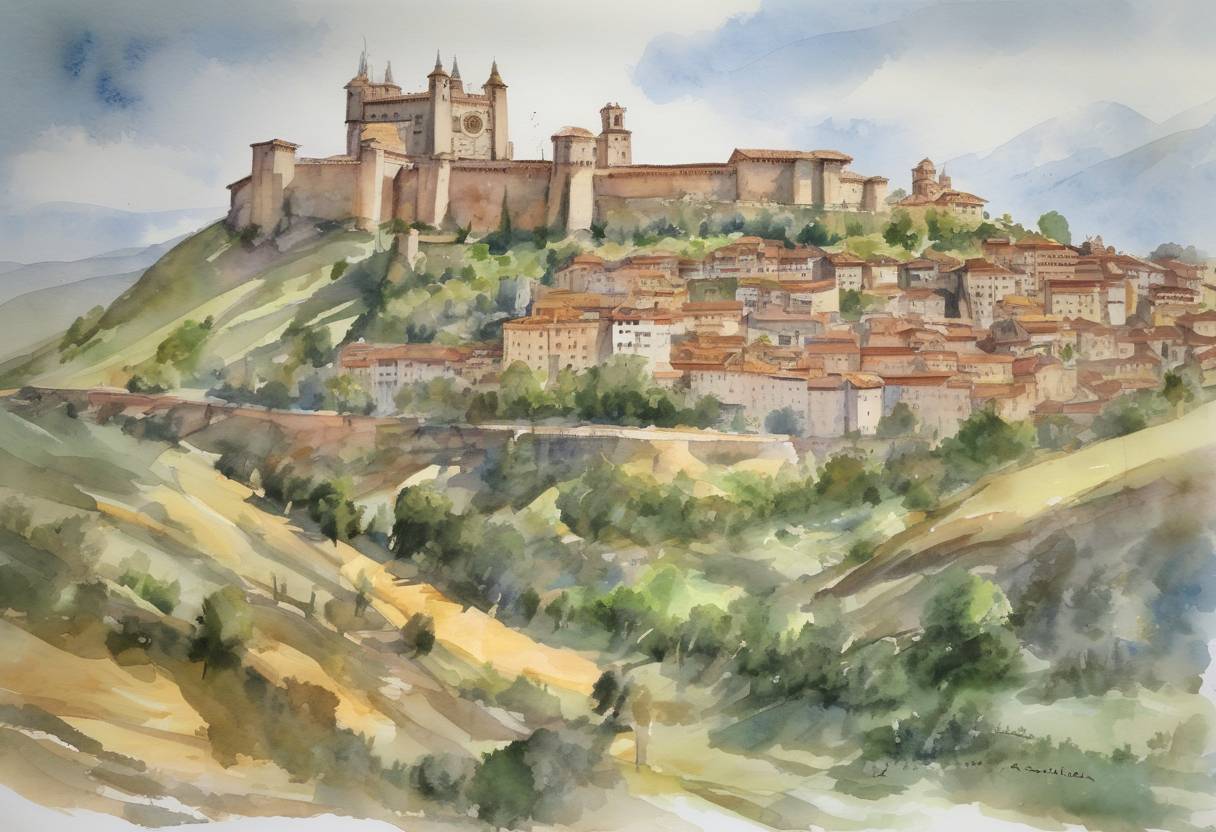
The establishment of the Kingdom of León as a separate entity from the Kingdom of Asturias on October 7, 929, marks a pivotal moment in the history of the Iberian Peninsula, particularly in the context of the Christian Reconquista. This event is significant for its role in shaping the political landscape of medieval Spain and advancing the Christian efforts to reclaim territories from Muslim rule.
The Kingdom of Asturias: Founded in the early 8th century, the Kingdom of Asturias was one of the first Christian kingdoms established in the Iberian Peninsula following the Muslim conquest. It served as a bastion of Christian resistance and a launching point for the Reconquista, the centuries-long series of campaigns by Christian states to recapture territory from Muslim rulers.
The Reconquista: By the 9th century, the Reconquista was gaining momentum. The Christian kingdoms in the north of the Iberian Peninsula, including Asturias, began to expand southward, reclaiming land and establishing new political entities.
Internal Dynamics: The Kingdom of Asturias experienced internal strife and succession disputes, which often led to fragmentation and reorganization of territories. This internal dynamic set the stage for the emergence of León as a distinct political entity.
Geopolitical Shifts: As the Christian kingdoms expanded, the need for more organized and efficient governance became apparent. The establishment of León was part of a broader trend of political consolidation and territorial reorganization.
Separation from Asturias: On October 7, 929, the Kingdom of León was formally established as a separate entity from the Kingdom of Asturias. This separation was both a political and administrative reorganization, reflecting the growing importance of León as a center of power.
Significance: The creation of the Kingdom of León marked a significant step in the Christian reconquest efforts. It provided a more stable and centralized base from which to launch further campaigns against Muslim-held territories.
Expansion and Influence: The Kingdom of León quickly became one of the most powerful Christian kingdoms in the Iberian Peninsula. It played a crucial role in the Reconquista, contributing to the eventual Christian dominance in the region.
Cultural and Political Legacy: León’s establishment influenced the development of other Christian kingdoms, such as Castile, and contributed to the rich tapestry of medieval Spanish history. It also laid the groundwork for future political unifications that would eventually lead to the formation of modern Spain.
In summary, the establishment of the Kingdom of León on October 7, 929, was a landmark event in the Christian Reconquista, reflecting the dynamic political and military landscape of medieval Iberia. It underscored the shifting power structures and the enduring struggle between Christian and Muslim forces on the peninsula.
Source: en.wikipedia.org