White Island Volcanic Eruption - December 8, 2019
2019 · Whakaari / White Island, New Zealand
A volcanic eruption occurred on White Island in New Zealand, resulting in 22 deaths and numerous injuries among tourists and guides present on the island.
December 11, 2019
A volcanic eruption occurred on White Island (Whakaari) in New Zealand, resulting in 22 deaths and multiple injuries among tourists and guides who were on the island at the time.
Whakatane, New Zealand | New Zealand Police
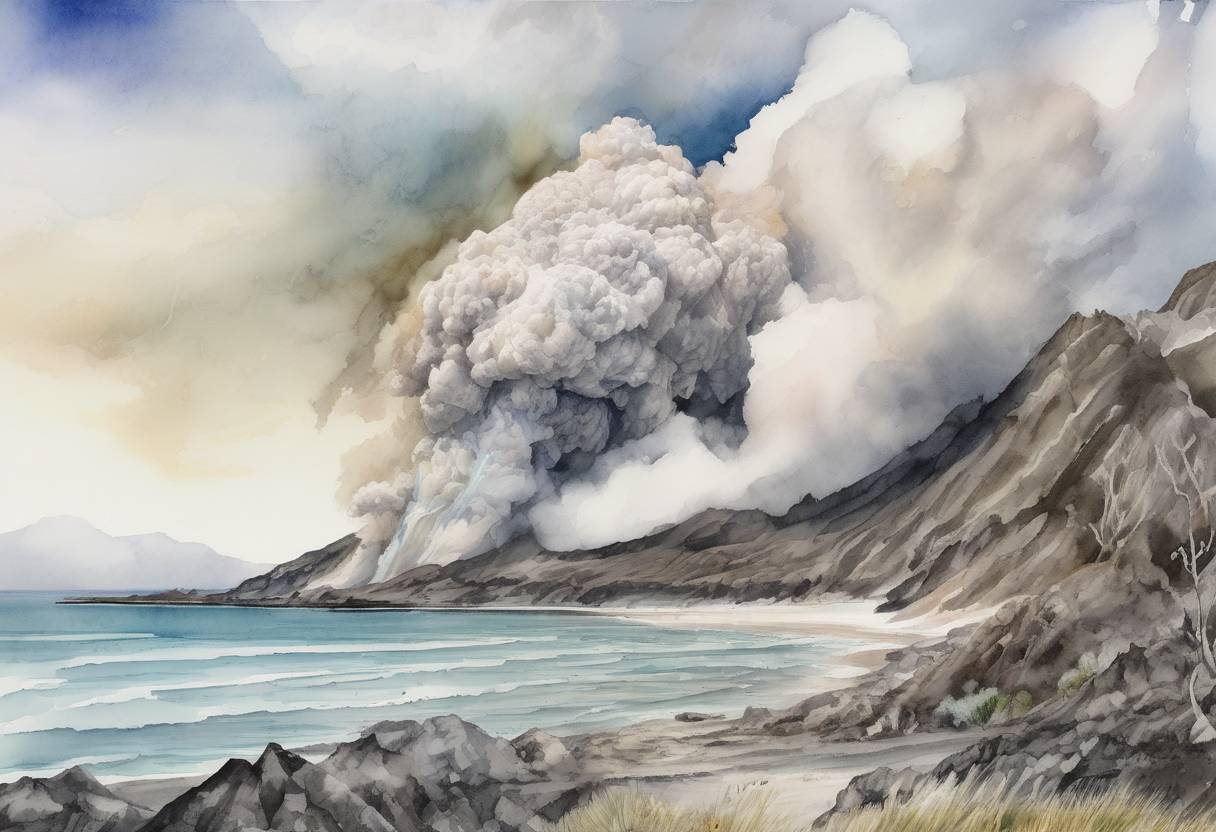
On December 9, 2019, a tragic volcanic eruption occurred on White Island, also known by its Māori name, Whakaari, located in the Bay of Plenty, New Zealand. This unexpected and violent eruption resulted in the deaths of 22 people and caused injuries to numerous tourists and guides who were present on the island at the time.
White Island is an active stratovolcano and is part of the Taupo Volcanic Zone. It is New Zealand’s most active cone volcano and has been a popular tourist destination due to its unique geological features and accessibility. Prior to the eruption, the island was a site for guided tours, allowing visitors to experience the volcanic landscape firsthand.
The eruption occurred at approximately 2:11 PM local time. It was a phreatic eruption, which involves the explosive interaction of water and hot volcanic material. This type of eruption can be particularly dangerous due to its sudden onset and the release of steam, ash, and volcanic gases.
The White Island eruption highlighted the inherent risks associated with visiting active volcanic sites and underscored the need for stringent safety protocols. It also served as a somber reminder of the power of natural forces and the importance of respecting and understanding geological hazards.
The tragedy had a profound impact on the victims’ families and communities, as well as on New Zealand’s tourism industry and regulatory frameworks. The event continues to influence discussions on balancing tourism with safety and environmental stewardship.
Source: www.bbc.com