The Debut of *The Tonight Show* on NBC
1954 · New York City, United States
The Tonight Show debuts on NBC, hosted by Steve Allen, becoming a staple of American late-night television.
September 8, 1966
The first episode of Star Trek airs on NBC.
New York City, United States | NBC
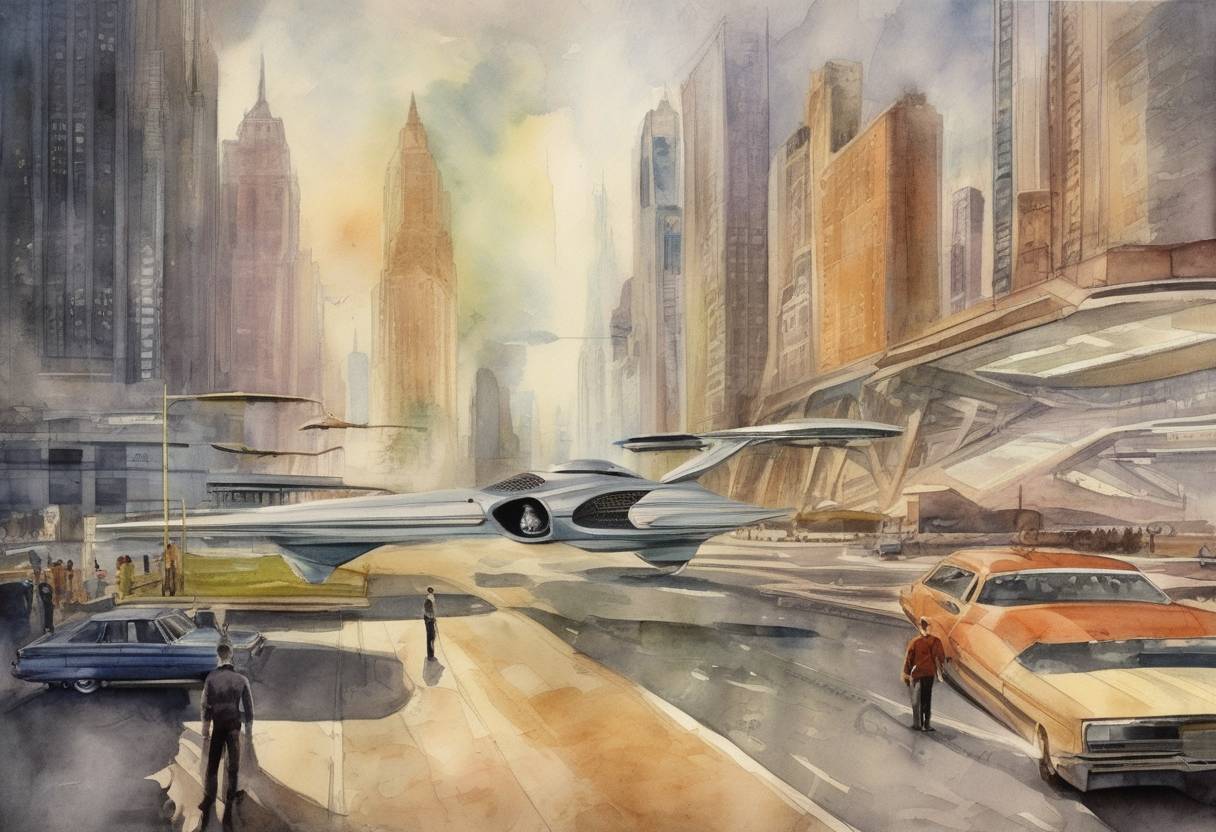
On September 8, 1966, American television audiences were introduced to a groundbreaking science fiction series that would become a cultural phenomenon: Star Trek. Created by Gene Roddenberry, the series premiered on NBC with the episode titled “The Man Trap.”
Gene Roddenberry’s Vision: Roddenberry envisioned Star Trek as a “Wagon Train to the stars,” a space adventure series that would explore complex social issues through allegory and metaphor. His vision was to create a show that not only entertained but also provoked thought and discussion about contemporary issues.
Development and Challenges: The road to the premiere was not without challenges. The original pilot, “The Cage,” was rejected by NBC for being “too cerebral.” However, the network saw potential in the concept and commissioned a second pilot, “Where No Man Has Gone Before,” which led to the series being greenlit.
Plot Summary: “The Man Trap” features the crew of the USS Enterprise, led by Captain James T. Kirk, as they visit planet M-113 for a routine medical examination of an archaeological team. The episode revolves around a shape-shifting creature that drains the salt from human bodies to survive, posing a deadly threat to the crew.
Key Characters:
Themes: The episode explores themes of loneliness, survival, and the ethical dilemmas faced when encountering new life forms.
Cultural Significance: Although initial ratings were modest, Star Trek quickly developed a devoted fan base. Its portrayal of a diverse crew working together in harmony was groundbreaking for the time, reflecting Roddenberry’s optimistic vision of the future.
Influence on Science Fiction: Star Trek set a new standard for science fiction on television, influencing countless other series and films. Its impact is seen in its exploration of complex themes, character development, and imaginative storytelling.
Franchise Expansion: The original series ran for three seasons, but its influence extended far beyond its initial run. It spawned numerous spin-off series, films, books, and a dedicated fan community that remains active to this day.
The premiere of Star Trek on September 8, 1966, marked the beginning of a franchise that would become a cornerstone of science fiction. Its innovative storytelling and exploration of social issues continue to resonate with audiences, making it a timeless piece of television history.
Source: en.wikipedia.org