Autochrome Lumière Patent - January 19, 1898
1898 · Paris, France
Auguste and Louis Lumière, considered among the earliest filmmakers in history, patent their color photography process, which they called Autochrome Lumière.
January 9, 1839
The French Academy of Sciences announced the Daguerreotype photography process.
Paris, France | French Academy of Sciences
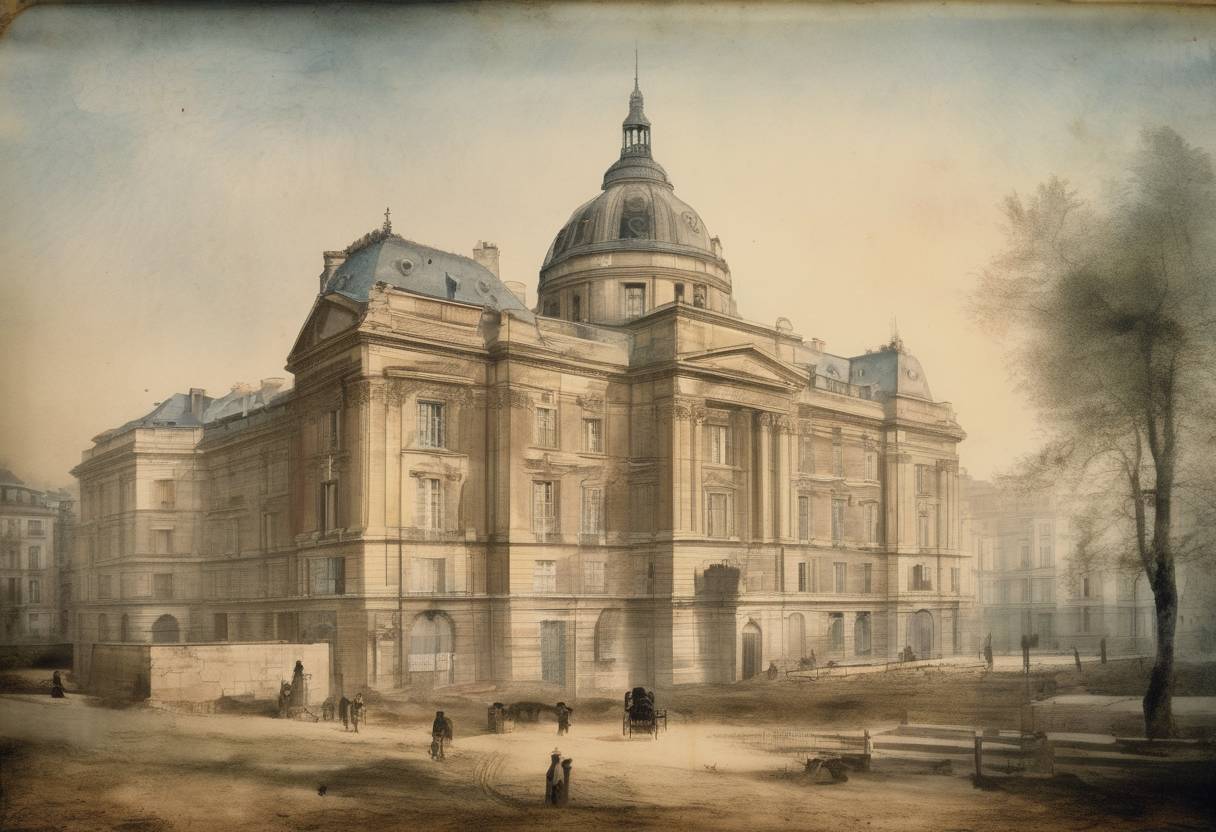
On January 9, 1839, the French Academy of Sciences made a groundbreaking announcement that would revolutionize the field of photography and visual documentation. They introduced the world to the daguerreotype process, a pioneering photographic technique developed by Louis-Jacques-Mandé Daguerre, a French artist and physicist.
The journey to this announcement began in the early 19th century, as scientists and inventors sought ways to capture images permanently. Daguerre, initially a painter and creator of the diorama, partnered with Nicéphore Niépce, another French inventor who had been experimenting with capturing images using light-sensitive materials. After Niépce’s death in 1833, Daguerre continued to refine the process, eventually developing the daguerreotype.
The daguerreotype process involved several steps:
The daguerreotype was the first practical photographic process and marked a significant advancement in the ability to capture and preserve images. It produced highly detailed and sharp images, which were unique and could not be reproduced. This process quickly gained popularity and was widely used for portraiture and landscape photography.
The announcement by the French Academy of Sciences was met with great enthusiasm and curiosity. The French government acquired the rights to the daguerreotype process and offered it as a gift “free to the world,” accelerating its adoption globally.
The introduction of the daguerreotype had profound implications for art, science, and society. It democratized portraiture, allowing more people to have their likenesses captured. It also laid the groundwork for future photographic innovations, leading to the development of more advanced and accessible photographic techniques.
While the daguerreotype process was eventually supplanted by more efficient methods, its impact on the history of photography is undeniable. It opened new avenues for visual communication and documentation, influencing fields as diverse as journalism, science, and the arts.
In summary, the announcement of the daguerreotype process on January 9, 1839, by the French Academy of Sciences was a pivotal moment in the history of photography, marking the beginning of a new era in visual representation and documentation.
Source: www.britannica.com