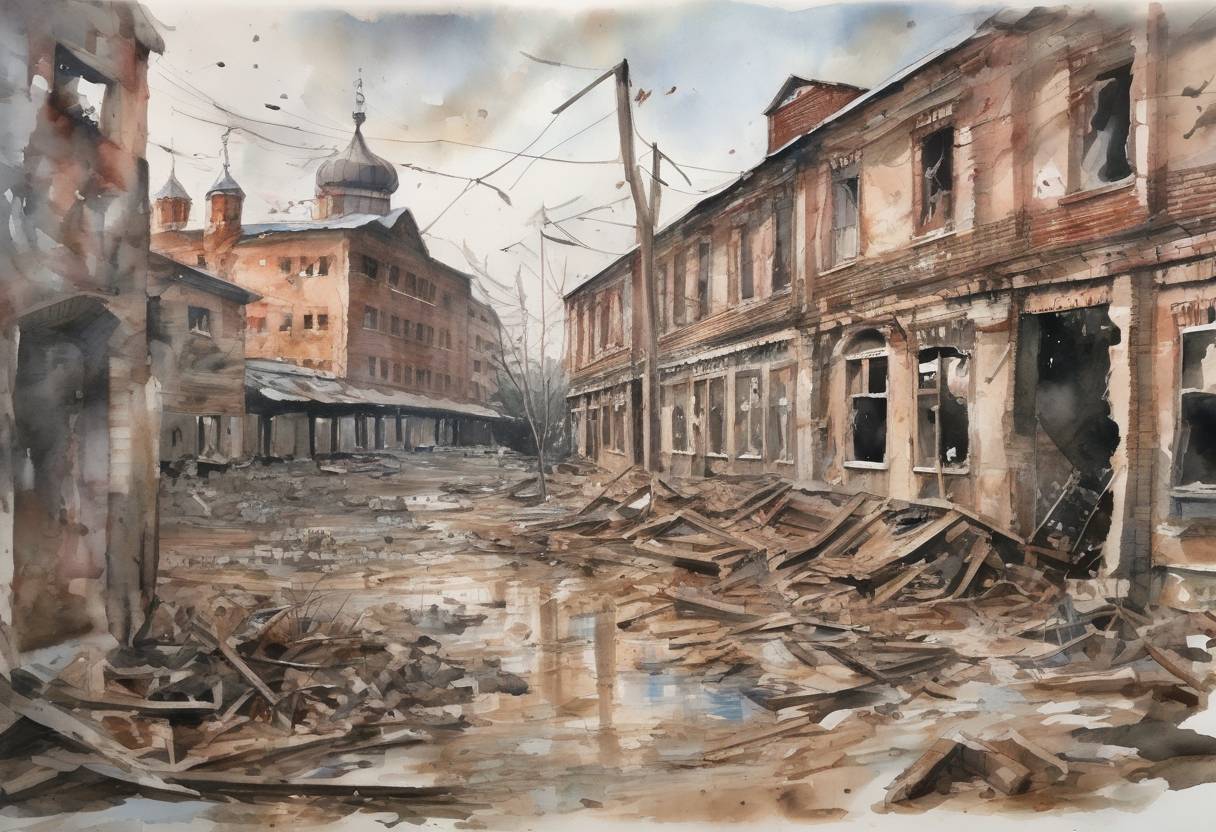
The Beslan School Siege: A Tragic Conclusion
Background
The Beslan school siege, one of the most harrowing terrorist incidents in recent history, began on September 1, 2004, in the town of Beslan, North Ossetia, Russia. The siege was orchestrated by a group of armed militants, primarily Chechen separatists, who took over 1,100 people hostage, including 777 children, at School Number One. The attackers demanded the withdrawal of Russian forces from Chechnya, a region embroiled in conflict following the dissolution of the Soviet Union and subsequent Chechen wars.
The Siege
The crisis unfolded on the first day of the new school year, a day traditionally celebrated in Russia as “Knowledge Day.” The militants stormed the school during the opening ceremony, herding hostages into the gymnasium and rigging the area with explosives. Over the next two days, negotiations were attempted, but the situation remained tense, with the captors refusing to allow food, water, or medical supplies to reach the hostages.
The Tragic Conclusion
On September 3, 2004, the siege ended in tragedy. The situation escalated when explosions were heard inside the school, leading Russian security forces to storm the building. The exact sequence of events remains disputed, but the assault resulted in a chaotic and violent confrontation. The gymnasium’s roof collapsed due to the explosions, contributing to the high number of casualties.
Casualties and Aftermath
The siege’s conclusion was catastrophic, with over 330 people killed, including 186 children. Hundreds more were injured. The tragedy sent shockwaves across Russia and the world, highlighting the severe human cost of terrorism and the complexities of counter-terrorism operations.
In the aftermath, the Russian government faced criticism for its handling of the crisis, particularly regarding the lack of transparency and the decision to storm the school. The event also intensified the focus on the Chechen conflict and the broader issues of terrorism and security within Russia.
Broader Historical Significance
The Beslan school siege remains a poignant reminder of the vulnerabilities faced by civilians in conflict zones and the devastating impact of terrorism. It underscored the need for effective crisis management and the importance of addressing the root causes of regional conflicts to prevent such tragedies in the future.
The incident also had lasting effects on Russian domestic policy, leading to increased security measures and a more centralized approach to governance under President Vladimir Putin. The siege is commemorated annually in Beslan, with memorials and ceremonies honoring the victims and emphasizing the importance of peace and reconciliation.