Mali Hotel Attack: Radisson Blu Hostage Crisis on November 19, 2015
2015 · Bamako, Mali
Mali hotel attack: Gunmen take 170 hostages at the Radisson Blu hotel in Bamako, Mali.
November 20, 2015
Mali hotel attack: Gunmen took 170 hostages at the Radisson Blu hotel in Bamako, Mali, resulting in the deaths of 20 people. The attack was claimed by the militant group Al-Mourabitoun.
Bamako, Mali | Al-Mourabitoun
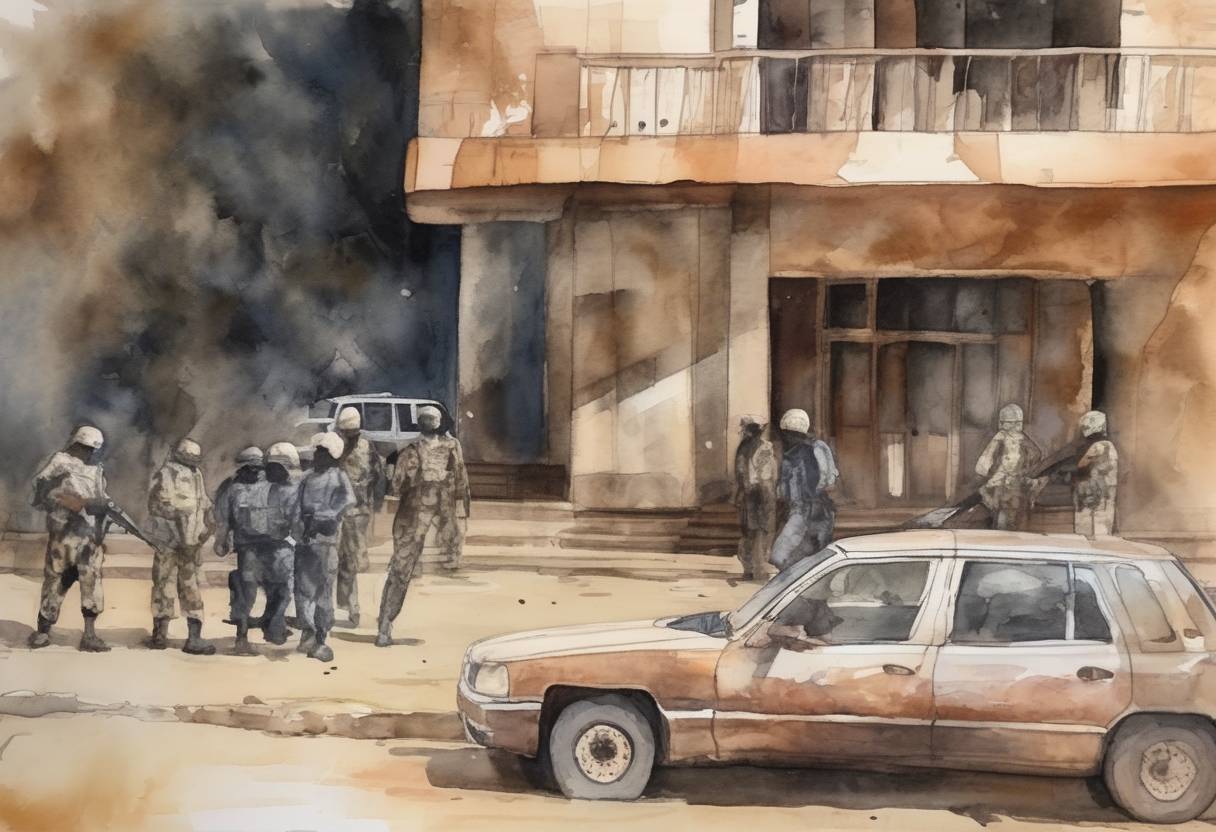
On November 20, 2015, a tragic and violent attack unfolded at the Radisson Blu hotel in Bamako, the capital city of Mali. This incident involved gunmen taking 170 hostages, resulting in the deaths of 20 people. The attack was claimed by the militant group Al-Mourabitoun, which had previously aligned itself with al-Qaeda.
Mali, a West African nation, has faced significant security challenges, particularly in its northern regions, due to the presence of various militant groups. The instability in Mali can be traced back to the 2012 Tuareg rebellion, which was hijacked by Islamist militants, leading to a coup and subsequent intervention by French forces in 2013. Despite international efforts to stabilize the region, militant activities persisted, particularly in the north.
The Radisson Blu hotel attack highlighted the persistent threat posed by militant groups in Mali and the Sahel region. It underscored the challenges faced by the Malian government and its international partners in restoring stability and security. The incident also emphasized the need for comprehensive strategies addressing both military and socio-economic dimensions to counter extremism effectively.
This attack was part of a series of violent incidents in the region, reflecting the complex interplay of local grievances, regional instability, and global jihadist networks. It served as a stark reminder of the ongoing struggle against terrorism and the importance of sustained international engagement in the region.
Source: www.bbc.com