1964 · Pisa, Italy
The Italian government asked for help to keep the Leaning Tower of Pisa from toppling over entirely.
December 15, 2001
The Leaning Tower of Pisa reopened to the public after 11 years of stabilization work to prevent it from toppling over.
Pisa, Italy | Italian Government
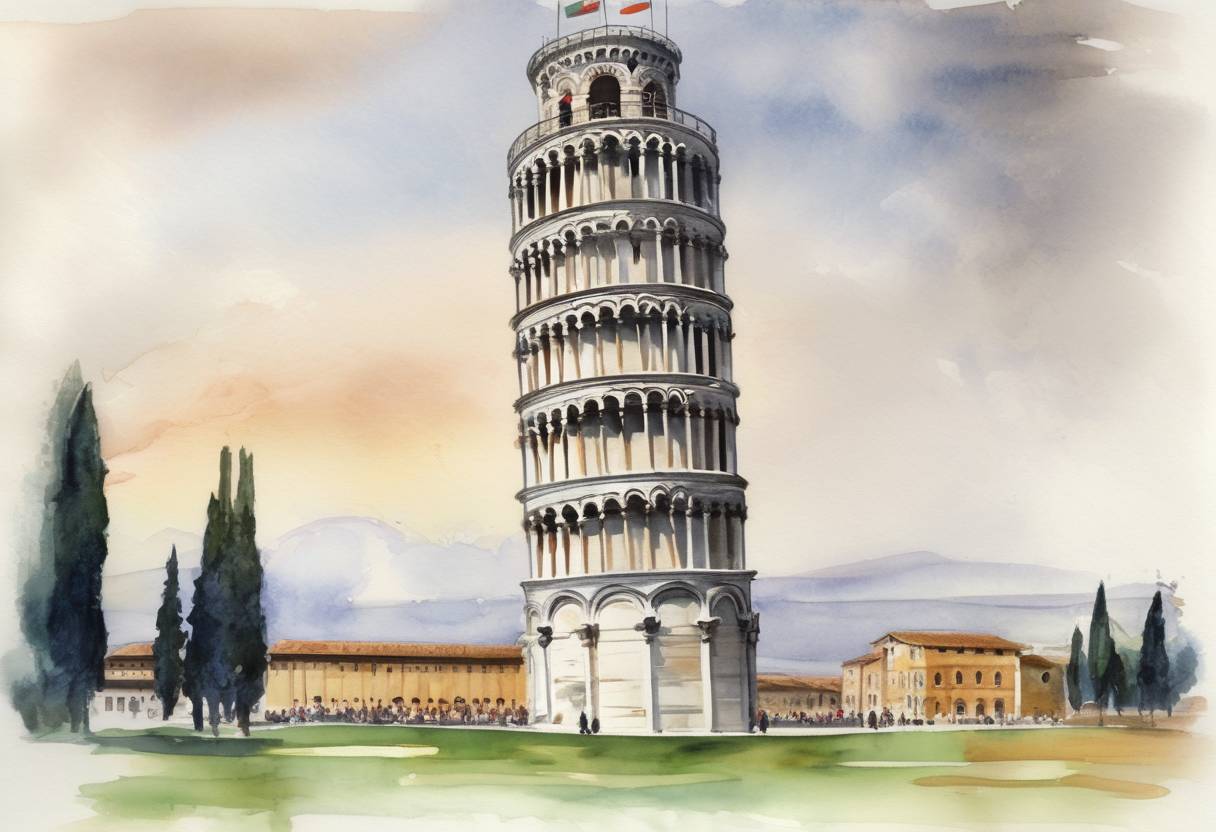
On December 15, 2001, the iconic Leaning Tower of Pisa reopened to the public after being closed for 11 years. This closure was necessary to conduct extensive stabilization work aimed at preventing the tower from toppling over. The reopening marked a significant moment in the preservation of this architectural marvel, which is one of the most recognizable structures in the world.
The Leaning Tower of Pisa, known in Italian as “Torre Pendente di Pisa,” is a freestanding bell tower of the cathedral in the city of Pisa, Italy. Construction of the tower began in 1173 and continued for nearly 200 years, with several interruptions. The tower’s famous tilt began during construction due to an inadequate foundation on soft ground, which could not properly support the structure’s weight.
By the late 20th century, the tilt of the tower had increased to a dangerous degree, raising concerns about its potential collapse. In 1990, the tower was closed to the public to address these structural issues. A team of engineers and experts embarked on a complex stabilization project that lasted over a decade. The primary goal was to reduce the tilt and secure the tower for future generations without compromising its historical integrity.
The reopening of the Leaning Tower of Pisa on December 15, 2001, was a momentous occasion celebrated by locals and tourists alike. The stabilization efforts successfully reduced the lean by about 17 inches (44 centimeters), bringing it back to its 1838 position. This achievement ensured that the tower would remain a safe and enduring symbol of architectural ingenuity and historical significance.
The project not only preserved the tower but also set a precedent for similar conservation efforts worldwide. It highlighted the importance of combining modern engineering techniques with historical preservation to maintain cultural heritage sites.
Since its reopening, the Leaning Tower of Pisa has continued to attract millions of visitors each year, eager to witness its unique tilt and historical charm. The successful stabilization has allowed the tower to remain a vital part of Pisa’s identity and a testament to the resilience of historical structures when met with innovative preservation efforts.
In summary, the reopening of the Leaning Tower of Pisa in 2001 was a triumph of engineering and preservation, ensuring that this world-renowned landmark could be enjoyed by future generations while maintaining its historical significance.
Source: www.britannica.com