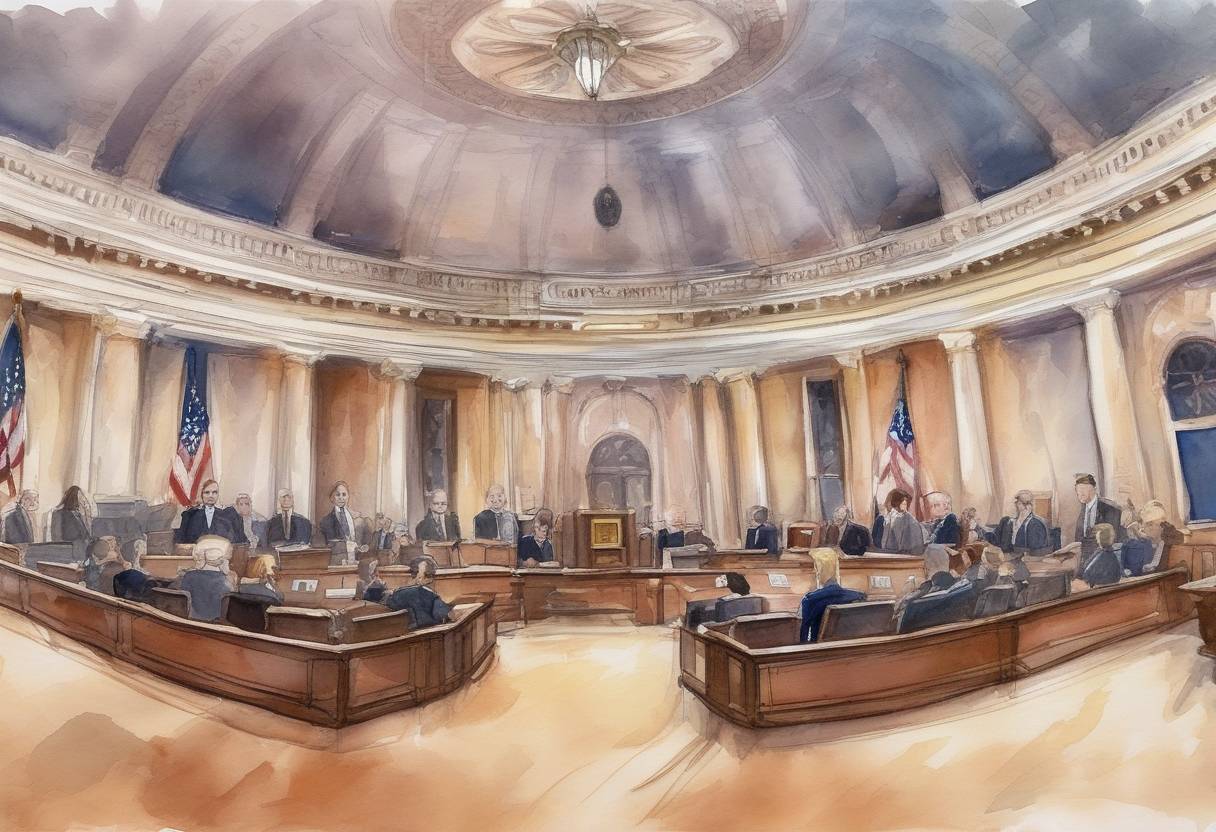
Impeachment Inquiry Vote: October 30, 2019
On October 30, 2019, the United States House of Representatives took a pivotal step in the impeachment process of President Donald Trump by voting to formalize the impeachment inquiry. This vote was a crucial development in the investigation concerning President Trump’s interactions with Ukraine, which ultimately led to his impeachment in December 2019.
Context and Background
The impeachment inquiry was initiated following a whistleblower complaint that alleged President Trump had solicited foreign interference in the 2020 U.S. presidential election. The complaint centered on a phone call on July 25, 2019, between President Trump and Ukrainian President Volodymyr Zelensky. During this call, Trump allegedly pressured Zelensky to investigate Joe Biden, a political rival, and his son Hunter Biden, who had business dealings in Ukraine.
The Vote
- Date: October 30, 2019
- Resolution: The House voted on a resolution to formalize the impeachment inquiry process.
- Outcome: The resolution passed with a vote of 232-196.
- Support: The vote was largely along party lines, with most Democrats supporting the resolution and all Republicans opposing it. Two Democrats also voted against it.
Significance of the Vote
Formalization of the Inquiry: The vote marked the first formal action by the full House to outline the procedures for the impeachment inquiry. It set the stage for public hearings and established rules for the investigation.
Transparency and Structure: The resolution aimed to provide transparency and structure to the inquiry process, allowing for public hearings and the release of deposition transcripts. It also granted the President and his legal team certain rights to participate in the proceedings.
Political Implications: The vote underscored the deep partisan divide in Congress over the impeachment process. It also highlighted the contentious nature of the inquiry, which was a significant political issue leading up to the 2020 presidential election.
Aftermath and Consequences
Following the formalization of the inquiry, the House conducted several public hearings where key witnesses testified about President Trump’s dealings with Ukraine. This process culminated in the House voting to impeach President Trump on December 18, 2019, on charges of abuse of power and obstruction of Congress.
The impeachment trial was held in the Senate in early 2020, where President Trump was acquitted on both charges on February 5, 2020. The impeachment process had lasting impacts on American politics, influencing public opinion and shaping the political landscape leading into the 2020 election.
This vote on October 30, 2019, was a defining moment in the impeachment saga, marking a significant escalation in the investigation and setting the course for the subsequent proceedings.