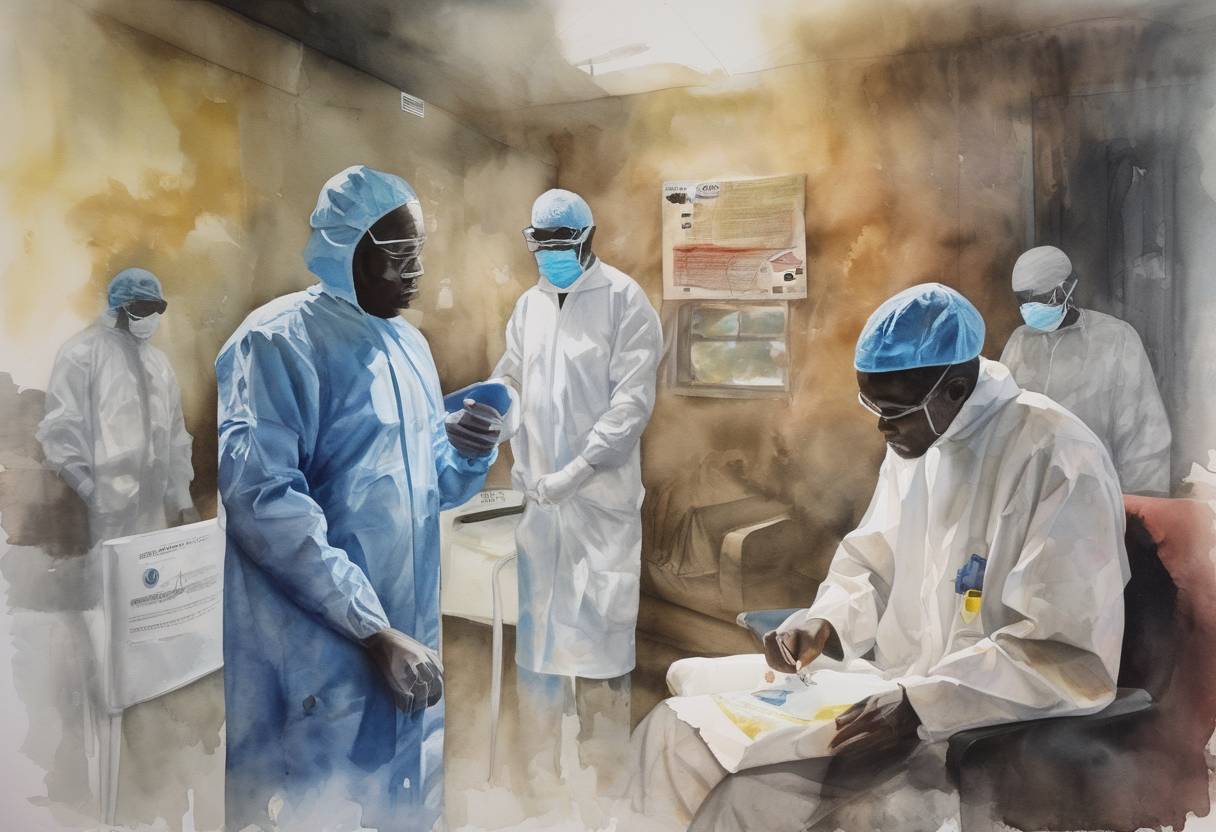
The First Diagnosed Case of Ebola in the United States: October 5, 2014
On October 5, 2014, a significant event in the global health landscape occurred when Thomas Eric Duncan, a Liberian national, was diagnosed with Ebola in Dallas, Texas. This marked the first case of the Ebola virus diagnosed on U.S. soil during the 2014 outbreak, which had primarily affected West Africa.
Background
The Ebola outbreak of 2014 was one of the most severe in history, primarily impacting Guinea, Liberia, and Sierra Leone. The virus, known for its high mortality rate, spread rapidly due to inadequate healthcare infrastructure and delayed international response. By the time Duncan was diagnosed, the outbreak had already claimed thousands of lives and had become a global health emergency.
Key Events Leading to the Diagnosis
- Arrival in the U.S.: Thomas Eric Duncan arrived in Dallas on September 20, 2014, from Liberia. He had traveled to the U.S. to visit family.
- Initial Symptoms: On September 24, Duncan began to exhibit symptoms consistent with Ebola, such as fever and abdominal pain.
- Hospital Visit: On September 26, he sought medical attention at Texas Health Presbyterian Hospital but was initially misdiagnosed and sent home with antibiotics.
- Return to Hospital: Duncan returned to the hospital on September 28, when his symptoms worsened. He was then isolated and tested for Ebola.
Diagnosis and Response
- Confirmation: On October 5, 2014, Duncan’s Ebola diagnosis was confirmed, prompting immediate public health measures to contain the virus.
- Public Health Measures: The Centers for Disease Control and Prevention (CDC) and local health authorities initiated contact tracing and monitoring of individuals who had been in contact with Duncan.
- Hospital Response: Texas Health Presbyterian Hospital faced criticism for its initial handling of the case, leading to changes in protocols for dealing with infectious diseases.
Aftermath and Significance
- Duncan’s Passing: Tragically, Thomas Eric Duncan passed away on October 8, 2014, despite intensive medical care.
- Impact on U.S. Healthcare: The case highlighted gaps in the U.S. healthcare system’s preparedness for handling infectious diseases and led to improved protocols and training.
- Global Awareness: Duncan’s diagnosis underscored the global nature of the Ebola outbreak and the need for international cooperation in managing such crises.
Broader Historical Significance
The diagnosis of Ebola in the United States served as a wake-up call for global health systems, emphasizing the importance of rapid response and preparedness in the face of infectious disease outbreaks. It also highlighted the interconnectedness of global health and the necessity for robust international health policies and support systems.
This event remains a critical moment in the history of global health, illustrating both the challenges and the potential for coordinated international efforts in combating infectious diseases.