The Triumph of Emperor Domitian Over the Chatti
86 · Rome, Roman Empire
The Roman Emperor Domitian celebrates a triumph over the Chatti, a Germanic tribe, marking a significant military victory for Rome.
May 24, 0015
Germanicus Julius Caesar, a prominent general of the Roman Empire, triumphantly concluded his campaign against the Germanic tribes, consolidating Roman influence in the region. He celebrated this achievement by being honored with a triumph in Rome.
Rome, Roman Empire | Roman Empire
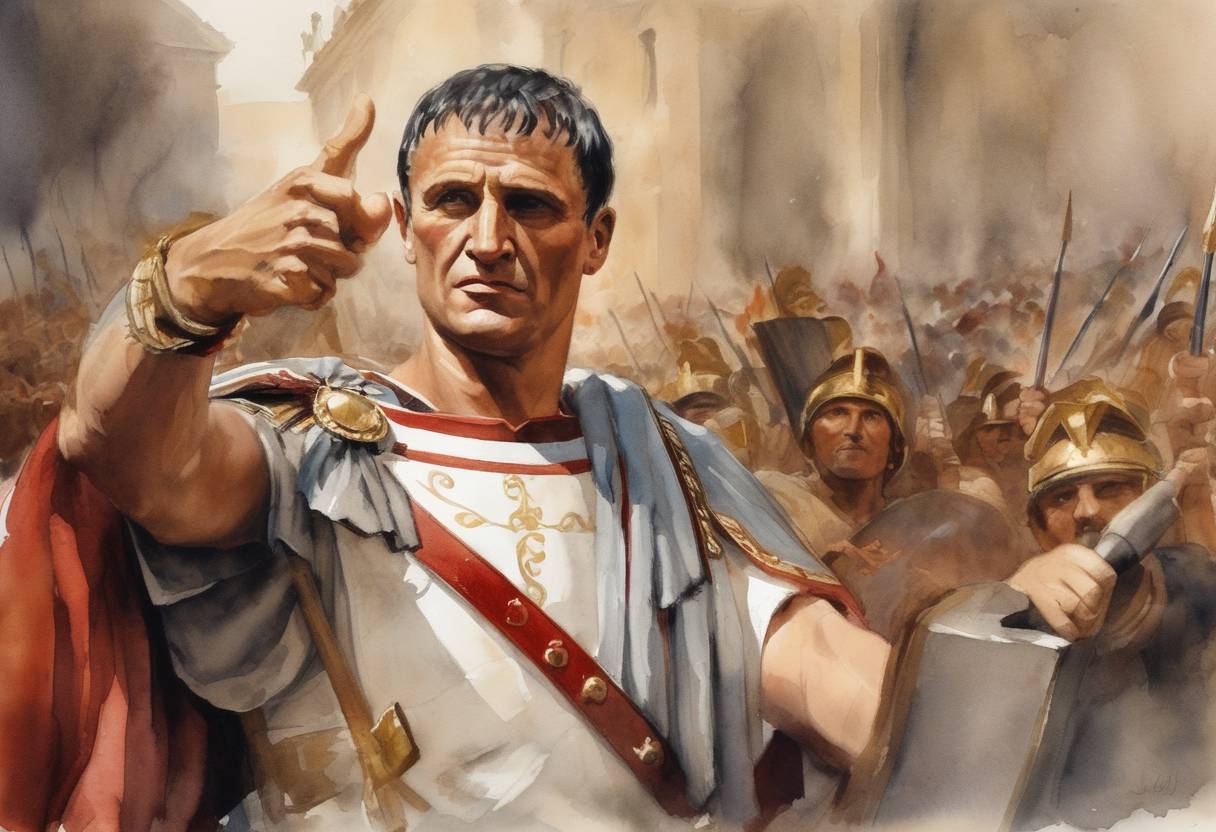
Germanicus Julius Caesar, a distinguished general of the Roman Empire, was tasked with recovering the Roman territories lost following the disastrous defeat in the Battle of the Teutoburg Forest in 9 AD. Under Emperor Augustus and later his successor Tiberius, Germanicus embarked on a series of military campaigns aimed at reasserting Roman control over the Germanic tribes east of the Rhine.
Between 14 and 16 AD, Germanicus led several successful campaigns across the Rhine. These operations were strategically pivotal as they aimed to demonstrate the might of Rome and avenge the losses suffered by the Roman legions under Publius Quinctilius Varus. His campaign included notable battles such as the Battle of Idistaviso and the Battle of the Angrivarian Wall, where Roman forces decisively defeated the coalition of Germanic tribes, including the Cherusci led by Arminius.
Germanicus’ triumph, held on May 24, 15 AD, was a ceremonial acknowledgment of his accomplishments in Germania. The celebration was marked by a grand procession in Rome, showcasing the spoils of war and prisoners from his campaigns. Such a triumph was the highest military honor, awarded to generals who achieved significant victories.
Although Emperor Tiberius eventually recalled Germanicus from Germania, his campaigns had profound implications. The show of Roman military strength deterred immediate large-scale uprisings among the Germanic tribes and temporarily stabilized the region. The celebrations in Rome also served to bolster Germanicus’ reputation, contributing to his legendary status within Roman history.
However, this triumph was not merely a personal milestone; it was an affirmation of Roman influence and a statement of its military prowess to both allies and adversaries. Despite the eventual withdrawal of Roman forces from territories beyond the Rhine, the triumph underscored the resilient spirit of Roman imperial ambition.
The triumph of Germanicus was a significant episode in early first-century Rome, celebrating a transient, yet impactful Roman supremacy in Germania and exemplifying the Roman ideals of military valor and conquest.
Source: en.wikipedia.org