United Nations Treaty on the Prohibition of Nuclear Weapons
2020 · New York, United States
The United Nations Treaty on the Prohibition of Nuclear Weapons is ratified by the 50th country, allowing it to enter into force in January 2021.
July 1, 1968
The Treaty on the Non-Proliferation of Nuclear Weapons (NPT) opened for signature.
New York, United States | United Nations
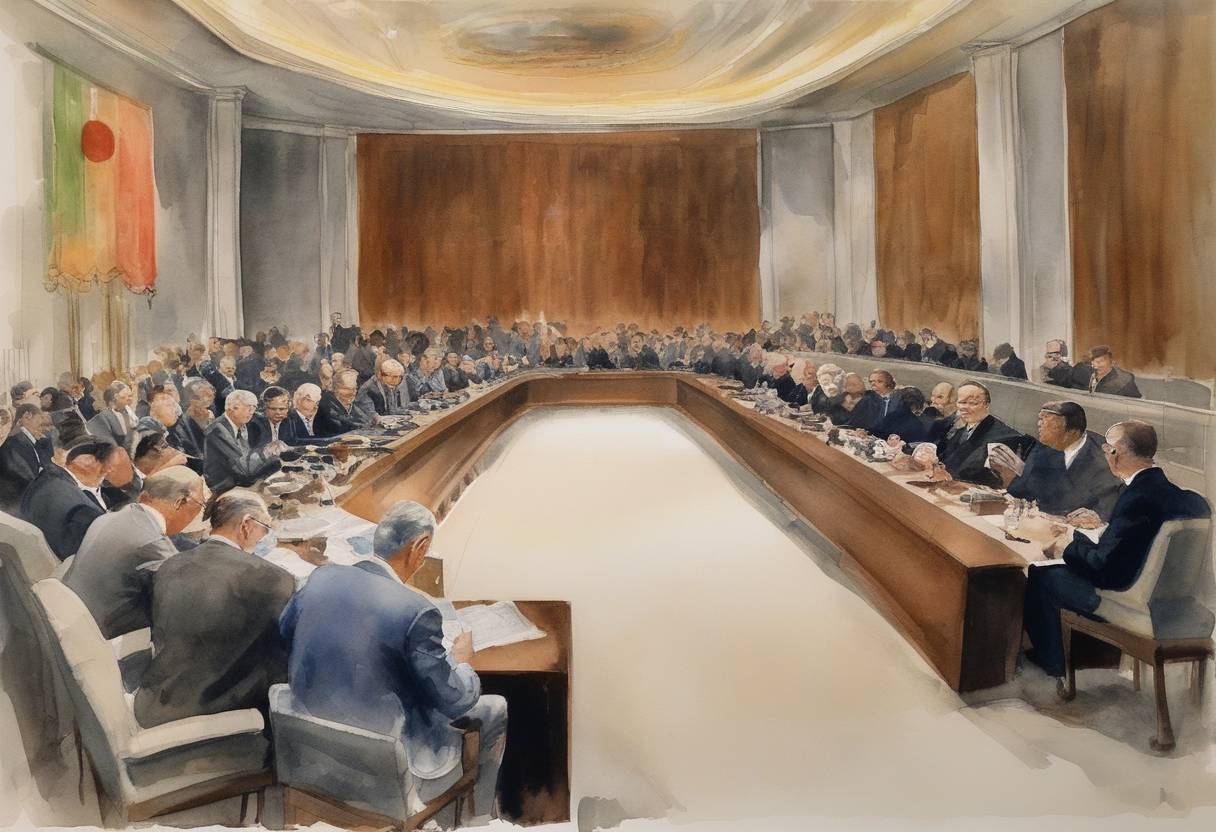
On July 1, 1968, a landmark moment in international disarmament efforts occurred with the opening for signature of the Treaty on the Non-Proliferation of Nuclear Weapons (NPT). Originating amidst the Cold War tensions and the global nuclear arms race, the NPT represented a vital step toward curbing the proliferation of nuclear weapons and promoting peaceful uses of nuclear energy.
The fear of nuclear proliferation reached critical concern following World War II and the subsequent use of atomic bombs. The spread of nuclear weapons among states was viewed as a threat to global security. The early 1960s witnessed intensified diplomatic activity aimed at preventing the further dissemination of nuclear weapons capabilities.
The NPT’s creation was influenced by several key factors:
The NPT is structured around three core pillars:
Non-Proliferation: Nuclear weapon states (NWS), identified as those that had detonated a nuclear device before January 1, 1967, are not to transfer nuclear weapons or technology to non-nuclear weapon states (NNWS). NNWS agreed not to pursue nuclear weapons.
Disarmament: The treaty includes a commitment to nuclear disarmament, requiring parties to negotiate in good faith toward halting the nuclear arms race and achieving disarmament.
Peaceful Use of Nuclear Energy: The treaty encourages the exchange of nuclear energy technology and materials for peaceful purposes, ensuring these are not diverted to nuclear weapon programs.
Upon its opening for signature, the NPT was endorsed by a majority of the United Nations member states. It entered into force on March 5, 1970, following ratification by the UK, the US, the Soviet Union, and forty additional signatories.
The treaty has been pivotal in constraining the spread of nuclear weapons, making significant strides in fostering international cooperation in nuclear disarmament. Today it remains a cornerstone of global non-proliferation efforts, with 191 parties making it one of the most widely adhered-to treaties worldwide.
Over the decades, the NPT has faced challenges, including accusations of non-compliance by several nations and criticisms regarding its effectiveness in enforcing disarmament. Nonetheless, review conferences are held every five years to assess the implementation of the treaty, attempting to address and adapt to emerging global security dynamics.
The NPT set a framework with profound implications for global peace and security, evidencing international commitments to curb the spread of nuclear weapons while harnessing nuclear technology for peaceful purposes.
Source: www.un.org