The 1934 Plebiscite in Germany: Adolf Hitler Becomes Führer
1934 · Berlin, Germany
A plebiscite in Germany gives Adolf Hitler complete power as Führer.
November 24, 1932
In Germany, the First Congress of the Anti-Fascist Action took place, an organization created to counter the rising threat of fascism and extreme right-wing movements.
Berlin, Germany | Anti-Fascist Action
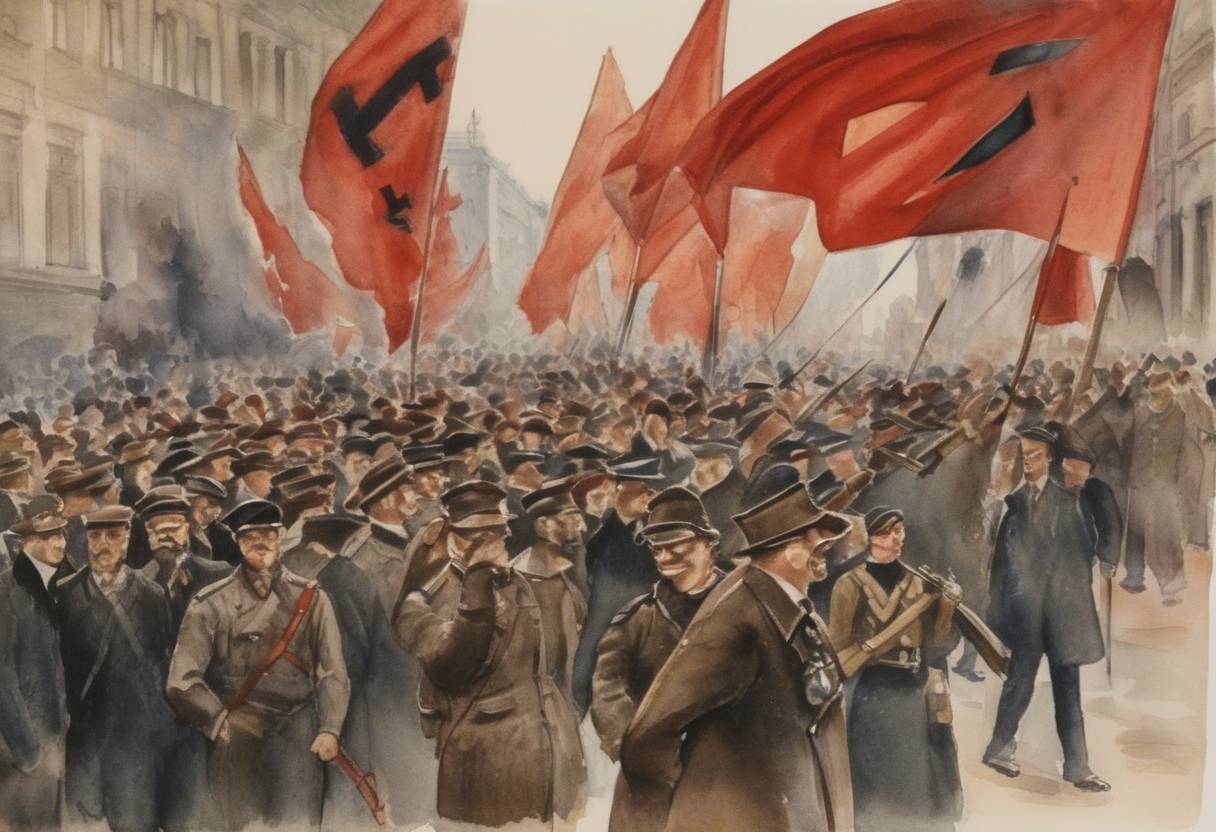
On November 24, 1932, the first congress of the Anti-Fascist Action (Antifaschistische Aktion) convened in Germany, a critical effort aimed at combating the growing threat of fascism and the extreme right-wing movements emerging during the Weimar Republic’s tumultuous final years.
The Weimar Republic in Germany faced significant political instability during the early 1930s, characterized by economic turmoil, unemployment, and social unrest following the Great Depression. This period of uncertainty provided fertile ground for the rise of extremist movements, most notably Adolf Hitler’s National Socialist German Workers’ Party (NSDAP) or the Nazi Party. The proliferation of fascism was perceived as an immediate threat to democracy and civil rights.
Anti-Fascist Action was initiated by the Communist Party of Germany (KPD) as part of its broader strategy to unite left-wing forces against fascism. The organization’s primary goal was to create a broad-based coalition to counteract the influence of fascists and to protect democratic institutions from being overtaken by extremist right-wing elements.
During the congress, delegates discussed strategies to mobilize against the Nazis. They emphasized direct action strategies, including protests, strikes, and community defense initiatives. The congress reinforced the need for solidarity among various leftist groups, although collaboration with the Social Democratic Party of Germany (SPD) was fraught due to ideological differences.
Despite fervent activity, the Anti-Fascist Action faced challenges due to internal divisions within the left and the growing power of the Nazi Party. Within months of the congress, the Nazis would solidify their grip on power, leading to the establishment of a totalitarian regime by 1933.
The legacy of the Anti-Fascist Action extends beyond its immediate historical context. It continues to inform contemporary anti-fascist movements worldwide, which advocate against nationalism, racism, and xenophobia. The congress marked a significant moment in left-wing political organizing against oppressive regimes.
The first congress of the Anti-Fascist Action serves as a historical reminder of the contentious political landscape of the Weimar Republic and the enduring struggle against fascism and oppressive ideologies.
Source: en.wikipedia.org