February 25, 2004: The United States Lifts Travel Ban to Libya
2004 · Washington, D.C., United States
The United States lifts a ban on travel to Libya, signaling a thaw in relations after Libya renounces weapons of mass destruction.
June 9, 1915
William Jennings Bryan, U.S. Secretary of State, resigned over President Woodrow Wilson's handling of the Lusitania crisis.
Washington, D.C., United States | U.S. Department of State
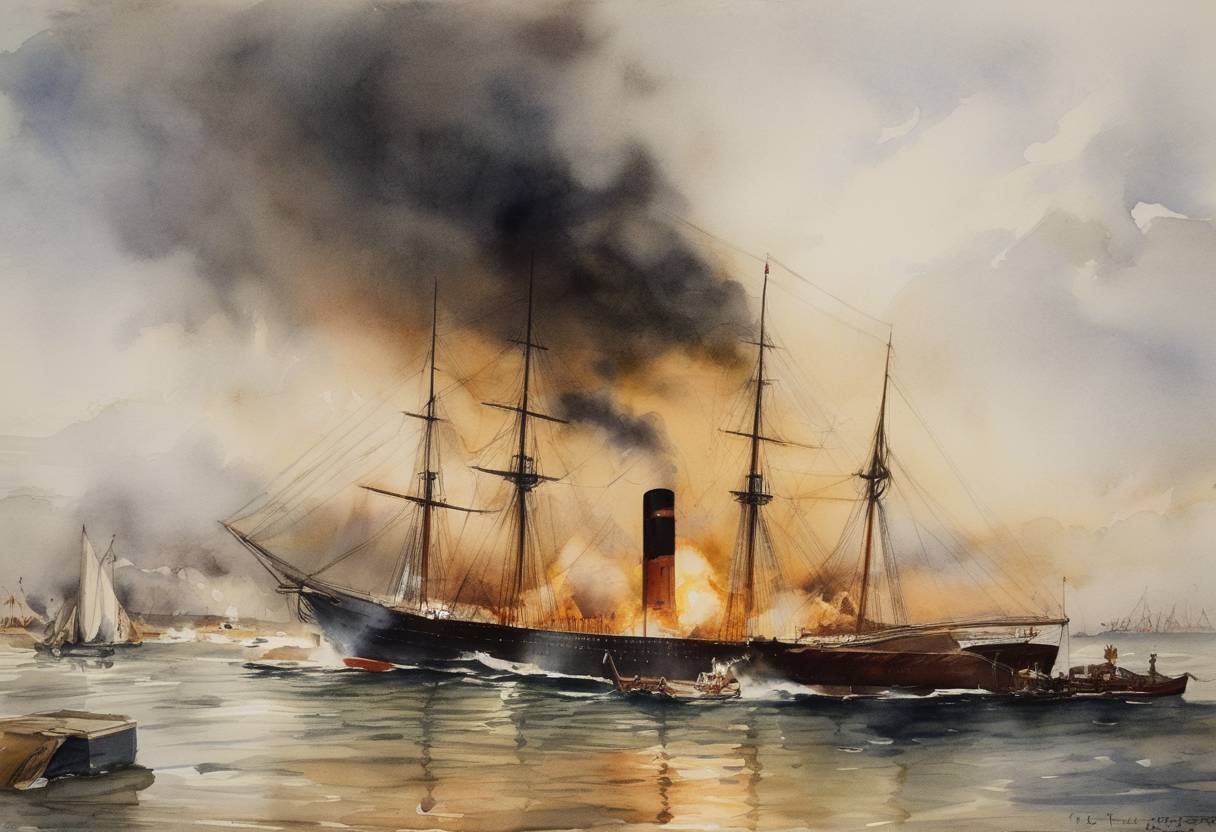
On June 9, 1915, William Jennings Bryan resigned from his position as the U.S. Secretary of State, due to disagreements with President Woodrow Wilson over the handling of the Lusitania crisis. This resignation marked a significant moment in American foreign policy during World War I.
The crisis emerged after the British ocean liner RMS Lusitania was sunk by a German U-boat on May 7, 1915. The attack resulted in the deaths of 1,198 passengers, including 128 Americans. The sinking escalated tensions between the United States and Germany, straining the U.S. stance of neutrality in the ongoing European conflict.
William Jennings Bryan, known for his advocacy of peace and diplomatic solutions, favored a less confrontational approach to the crisis. Bryan believed that stronger measures, such as demanding immediate ceased attacks on passenger ships, could risk drawing the United States into the war. He argued for insisting that both sides in the conflict respect neutral rights and avoid provoking further incidents.
President Woodrow Wilson, on the other hand, leaned towards a firmer stance against Germany. Wilson sought accountability for the attack and assurances that there would be no recurrence of such acts. He issued a series of diplomatic notes to Germany, interpreting the attack as a severe violation of international law and demanding reparations and promises to halt future unprovoked submarine warfare.
The contentious difference in their approaches led to Bryan’s decision to resign. On June 9, 1915, he submitted his resignation, believing that Wilson’s policies might potentially lead to American involvement in the war, something he strongly opposed. In his resignation letter, Bryan highlighted his commitment to peace and his belief that another qualified individual should carry out the president’s policies if they diverged so significantly from his own beliefs.
Bryan’s resignation underscored the growing divisions within the U.S. government regarding foreign policy during World War I. His departure allowed Wilson more freedom to steer U.S. foreign policy towards a more assertive stance, which eventually, though two years later, led to America’s entry into the war in April 1917.
Bryan continued his advocacy for peace and international conciliation until his death in 1925, remaining a prominent figure in American politics and a testament to the complex debates surrounding U.S. involvement in global conflicts.
Source: www.history.com