The Anglo-Egyptian Treaty of 1936
1935 · Cairo, Egypt
The Anglo-Egyptian Treaty is signed, which results in the withdrawal of British forces from Egypt, except in the Suez Canal Zone.
February 28, 1922
The British Empire accepts the de facto independence of Egypt by formally ending its protectorate status, although British military occupation continues.
Cairo, Egypt | British Empire
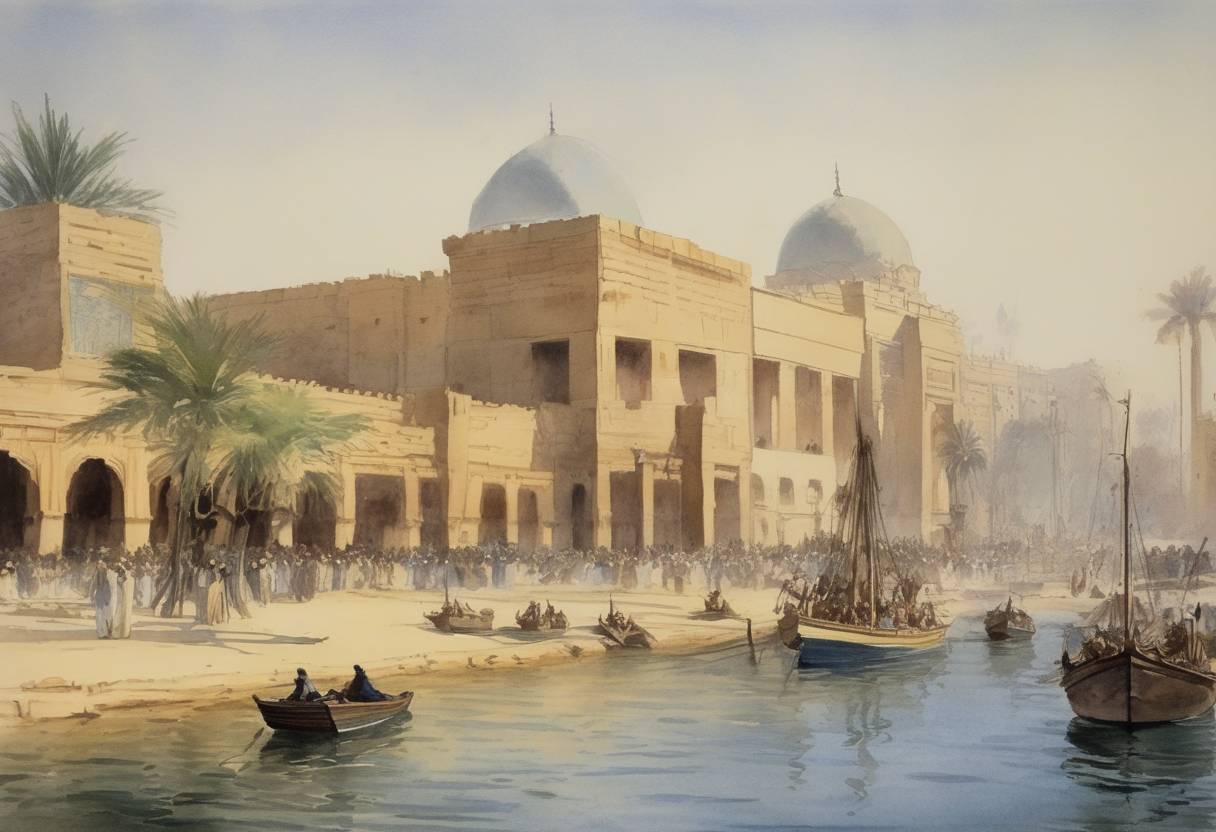
On February 28, 1922, the British government issued a unilateral declaration of Egyptian independence, formally ending the protectorate status that had been in place since December 18, 1914, when Britain assumed control during World War I. However, while this declaration marked a significant step towards full sovereignty, British influence in the region did not completely vanish.
The British involvement in Egypt began in earnest in 1882 when Britain occupied the country to safeguard its interests, particularly with regard to securing the Suez Canal, a crucial corridor for maritime trade with India and Asia. Officially, Egypt remained part of the Ottoman Empire until the onset of World War I. Subsequently, Britain declared Egypt a protectorate in 1914 as the Ottoman Empire aligned with the Central Powers. This move effectively severed Egypt’s ties with the Ottomans.
Growing nationalist movements and public discontent propelled Egypt towards a quest for independence following World War I. A key figure in this movement was Saad Zaghloul, who led the Wafd Party. The party called for representation at the Versailles Peace Conference, seeking international recognition of Egypt’s independence. Faced with persistent demonstrations and unrest, Britain recognized the necessity to reconsider its governance model in Egypt.
On February 28, 1922, Britain’s declaration outlined four “reserved points”—security of imperial communications, defense, protection of foreign interests and minorities, and oversight of Sudan’s status—ensuring British influence over vital areas. Concurrently, the declaration ended the protectorate status and recognized Egypt as an independent sovereign state.
Despite the declaration, British military forces continued to be stationed in Egypt. Full diplomatic and military sovereignty was not achieved, as Britain retained its control over defense and foreign policy matters. Although Egypt was given the freedom to draft its own constitution, the British role in protecting their geopolitical interests remained predominant.
The unilateral grant of independence paved the way for the establishment of the Kingdom of Egypt, with Sultan Fuad I declaring himself King Fuad I. A new constitution was adopted in 1923, aiming to establish a parliamentary monarchy. However, the limitations imposed by the reserved points continued to be a source of tension.
The complex relationship between Egypt and Britain persisted for decades, ultimately leading to the Anglo-Egyptian Agreement of 1954 which facilitated the withdrawal of British troops from the Suez Canal Zone. This marked the final step in the realization of full Egyptian sovereignty.
The 1922 declaration was an important milestone in Egypt’s long journey towards complete independence and self-determination. It reflected the growing momentum of anti-colonial movements in the 20th century and set a precedent for other nations striving for independence from colonial powers. Despite its limitations, the event marked the beginning of Egypt’s emergence as a modern state on the global stage.