Assassination of Benazir Bhutto
2007 · Rawalpindi, Pakistan
Benazir Bhutto, former Prime Minister of Pakistan, was assassinated in a combined shooting and bombing attack during a political rally in Rawalpindi.
October 18, 2007
Benazir Bhutto, former Prime Minister of Pakistan, returned to Karachi after eight years of self-imposed exile. Her return was marked by a large rally, which was tragically targeted by a suicide attack, resulting in the deaths of over 130 people.
Karachi, Pakistan | Pakistan People's Party
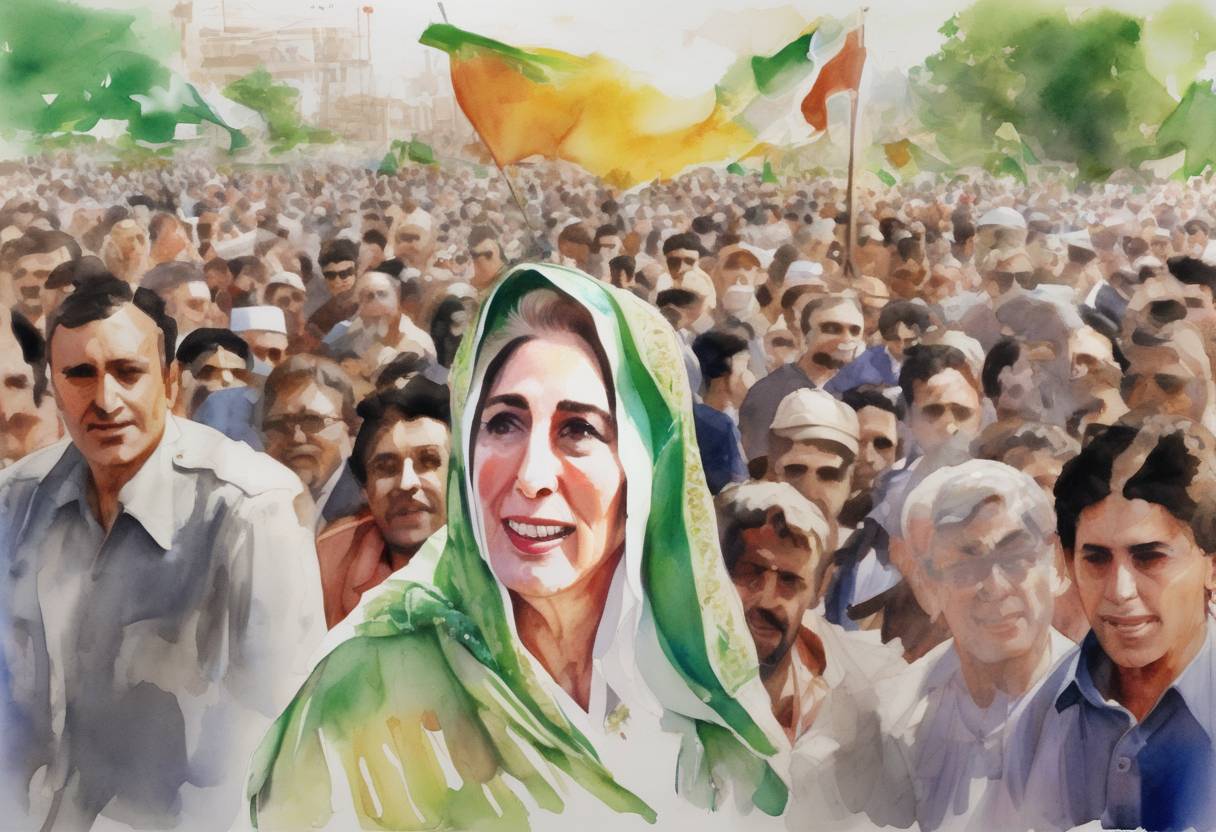
On October 18, 2007, Benazir Bhutto, the former Prime Minister of Pakistan, returned to Karachi after eight years of self-imposed exile. Her return was a significant event in Pakistan’s political landscape, as Bhutto was a prominent figure and the first woman to lead a Muslim-majority country. Her homecoming was part of her efforts to participate in the upcoming national elections and to restore democracy in Pakistan after years of military rule under General Pervez Musharraf.
Exile and Political Background: Benazir Bhutto had been living in exile since 1999, facing corruption charges that she claimed were politically motivated. During her time away, Pakistan experienced significant political turmoil, including a military coup in 1999 that brought General Musharraf to power.
Negotiations with Musharraf: Prior to her return, Bhutto engaged in negotiations with Musharraf, which led to the National Reconciliation Ordinance (NRO). This ordinance granted amnesty to Bhutto and other political figures, allowing her to return without facing immediate arrest.
Massive Welcome: Upon her arrival in Karachi, Bhutto was greeted by hundreds of thousands of supporters. The streets were filled with jubilant crowds, reflecting her enduring popularity and the hope she inspired for a democratic transition.
Tragic Attack: The celebratory atmosphere was shattered by a devastating suicide attack targeting her motorcade. The attack involved two explosions, resulting in the deaths of over 130 people and injuring hundreds more. Bhutto survived the attack, but it underscored the volatile and dangerous political environment in Pakistan.
Impact on Pakistani Politics: The attack highlighted the severe security challenges facing Pakistan and the risks associated with political participation. It also intensified the political struggle between pro-democracy forces and extremist elements within the country.
Assassination and Legacy: Tragically, just over two months later, on December 27, 2007, Benazir Bhutto was assassinated in another attack during a campaign rally in Rawalpindi. Her death was a significant blow to Pakistan’s political landscape and led to widespread unrest.
Enduring Influence: Bhutto’s legacy continues to influence Pakistani politics. She is remembered for her efforts to promote democracy and her role as a trailblazer for women in leadership positions in the Muslim world.
Bhutto’s return on October 18, 2007, remains a pivotal moment in Pakistan’s history, symbolizing both the hope for democratic renewal and the persistent threats of violence and instability.
Source: www.bbc.com