The Laki Volcanic Eruption: June 8, 1783
1783 · Laki, Iceland
The Laki volcanic fissure in Iceland begins an eight-month eruption, leading to widespread famine and climate disruption.
November 13, 1985
The Nevado del Ruiz volcano erupts in Colombia, causing a lahar that buries the town of Armero and kills approximately 23,000 people.
Armero, Colombia | none
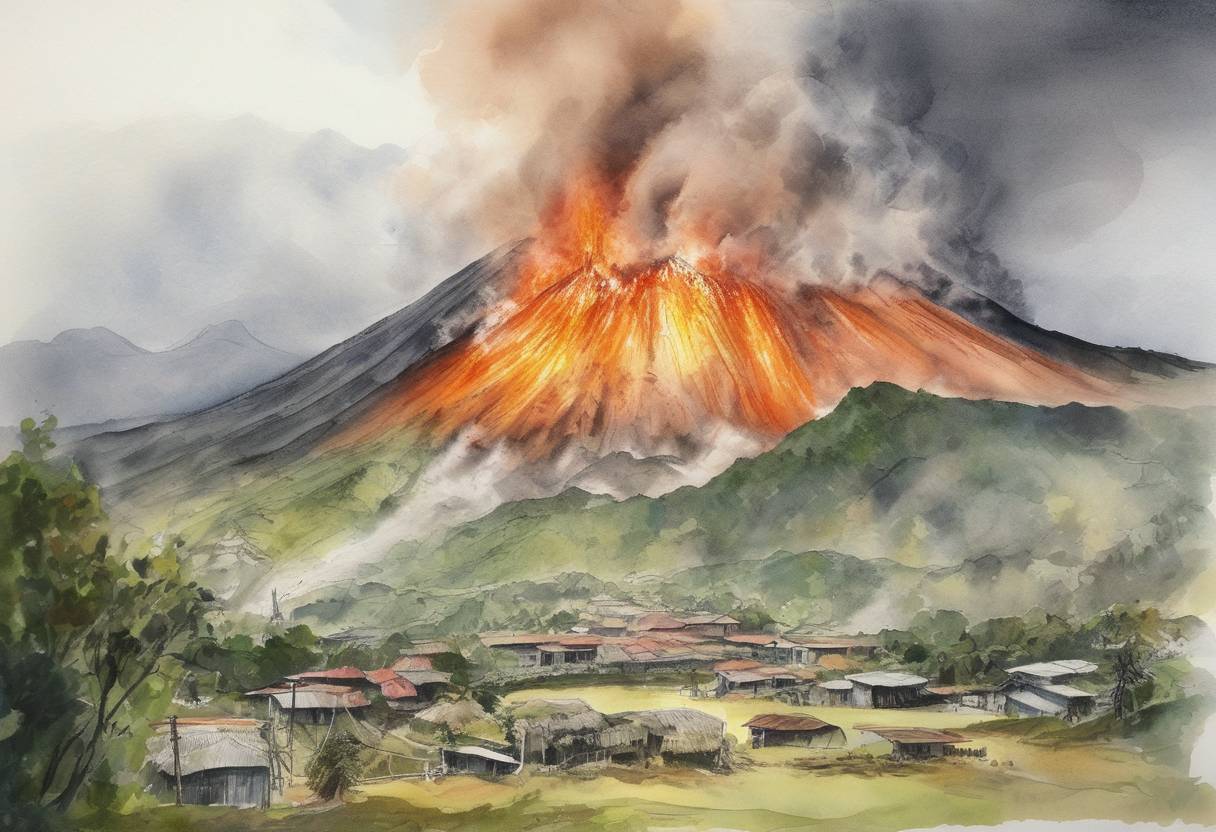
On November 13, 1985, the Nevado del Ruiz volcano in Colombia erupted, leading to one of the deadliest volcanic disasters of the 20th century. This catastrophic event resulted in a massive lahar—a destructive volcanic mudflow—that buried the town of Armero, claiming the lives of approximately 23,000 people.
Nevado del Ruiz is part of the Andean Volcanic Belt and is one of Colombia’s most active volcanoes. Standing at about 5,321 meters (17,457 feet), it has a history of eruptions, with significant activity recorded in the 16th and 19th centuries. The volcano is capped by a large glacier, which played a crucial role in the disaster.
In the months leading up to the eruption, there were signs of increased volcanic activity, including minor eruptions and seismic activity. However, the warnings were not adequately heeded, partly due to a lack of effective communication and preparedness.
On the evening of November 13, 1985, Nevado del Ruiz erupted explosively. The eruption melted part of the glacier, sending torrents of water, ice, and volcanic debris down the mountain. This mixture formed lahars that raced down the slopes at speeds of up to 60 kilometers per hour (37 miles per hour).
The town of Armero, located about 48 kilometers (30 miles) from the volcano, was directly in the path of the lahar. Within hours, the town was engulfed by the mudflow, which buried it under several meters of debris. The lahar obliterated buildings and infrastructure, leaving little chance for escape or survival.
The Armero tragedy resulted in the deaths of approximately 23,000 people, with thousands more injured or displaced. The disaster highlighted the devastating potential of volcanic eruptions and the importance of disaster preparedness and response.
In the aftermath, there was significant criticism of the Colombian government’s handling of the situation, particularly regarding the failure to evacuate the town despite warnings. The tragedy prompted changes in volcanic monitoring and emergency response strategies in Colombia and around the world.
The Armero tragedy serves as a somber reminder of the power of natural disasters and the critical need for effective risk management and communication. It spurred international efforts to improve volcanic monitoring and disaster preparedness, leading to the establishment of more comprehensive early warning systems.
The event also underscored the vulnerability of communities living near active volcanoes, emphasizing the importance of integrating scientific research with public policy to mitigate the risks posed by such natural hazards.
In conclusion, the Nevado del Ruiz eruption and the subsequent Armero tragedy remain etched in history as a poignant example of nature’s destructive force and the human cost of inadequate disaster preparedness.
Source: en.wikipedia.org