The Smoot-Hawley Tariff Act: June 17, 1930
1930 · Washington, D.C., United States
President Herbert Hoover signs the Smoot-Hawley Tariff Act into law, raising U.S. tariffs on over 20,000 imported goods.
December 23, 1913
The Federal Reserve Act was signed into law by President Woodrow Wilson, establishing the Federal Reserve System in the United States.
Washington, D.C., United States | U.S. Government
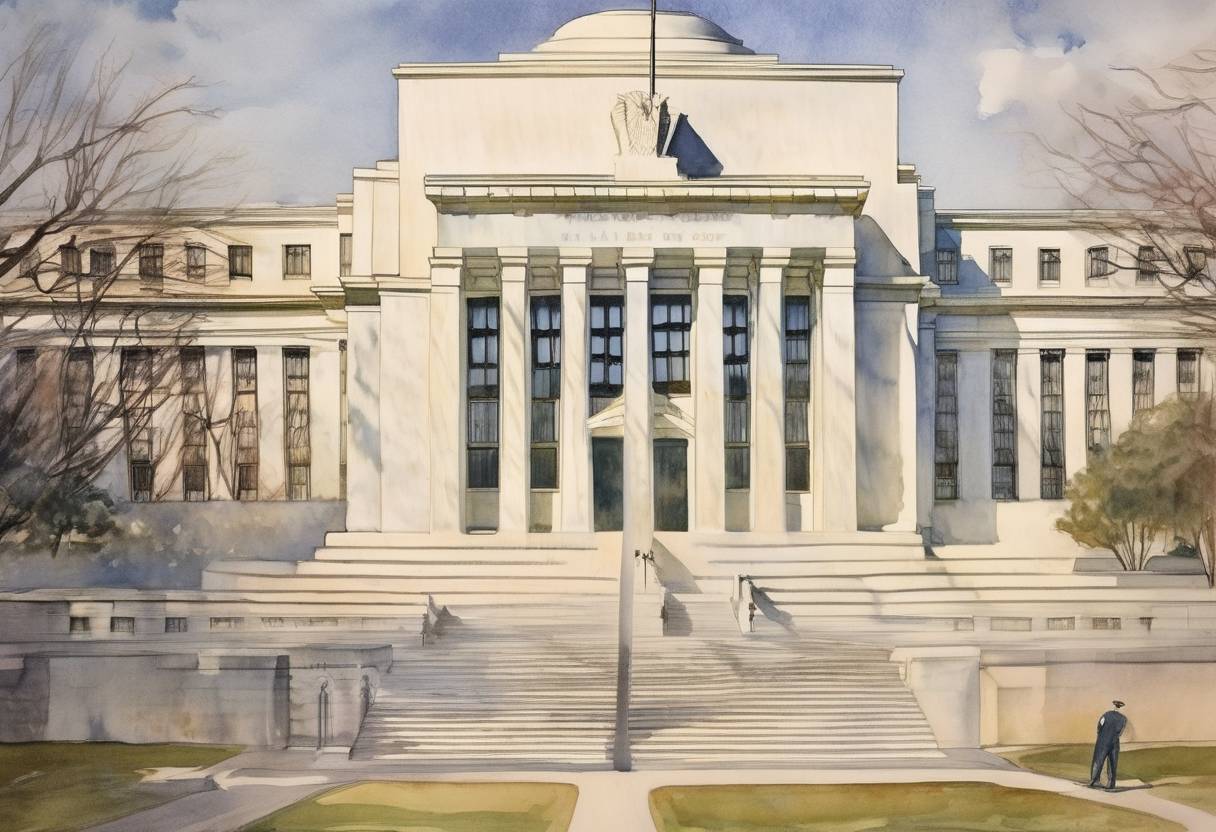
On December 23, 1913, President Woodrow Wilson signed the Federal Reserve Act into law, marking a pivotal moment in the financial history of the United States. This legislation established the Federal Reserve System, which serves as the central banking system of the country.
Before the Federal Reserve Act, the United States experienced frequent financial panics and bank runs, notably the Panic of 1907. These events highlighted the need for a central banking system to provide stability and flexibility to the nation’s financial system. The lack of a central bank since the expiration of the Second Bank of the United States’ charter in 1836 left the country vulnerable to economic instability.
The Federal Reserve Act aimed to create a safer, more flexible, and stable monetary and financial system. Its key components included:
The establishment of the Federal Reserve System marked a significant shift in U.S. economic policy. It provided a centralized control over monetary policy, which helped stabilize the banking system and manage economic fluctuations. Over time, the Federal Reserve’s role expanded to include regulating banks, managing inflation, and striving for full employment.
The Federal Reserve System has undergone numerous changes since its inception, adapting to the evolving economic landscape. It played crucial roles during the Great Depression, World War II, and the financial crisis of 2007-2008, among other events. Today, it remains a central pillar of the U.S. economy, influencing global financial markets.
The Federal Reserve Act of 1913 laid the foundation for modern central banking in the United States, addressing the financial challenges of its time and setting a precedent for future economic governance.
Source: www.federalreservehistory.org