Mombasa Hotel Bombing - November 28, 2002
2002 · Mombasa, Kenya
A suicide bombing of a hotel in Mombasa, Kenya, killed 13 people and injured 80. The attack targeted Israeli tourists and was linked to al-Qaeda.
August 7, 1998
The United States embassies in Dar es Salaam, Tanzania, and Nairobi, Kenya, were bombed by al-Qaeda, resulting in 224 deaths and over 4,000 injuries.
Nairobi, Kenya | al-Qaeda
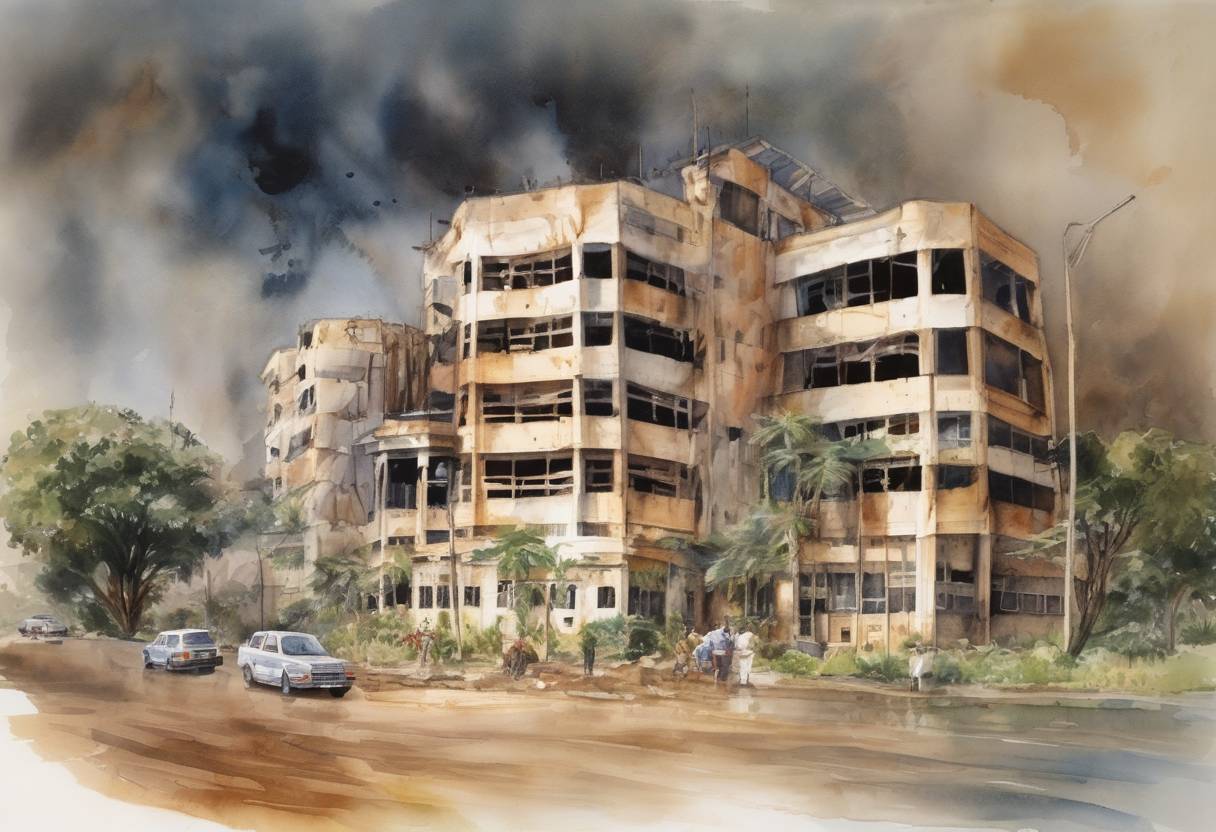
On August 7, 1998, a coordinated terrorist attack was carried out by the al-Qaeda network on the United States embassies in Dar es Salaam, Tanzania, and Nairobi, Kenya. These bombings marked a significant escalation in al-Qaeda’s campaign against American interests and had profound implications for international counterterrorism efforts.
The attacks were orchestrated by al-Qaeda, the Islamist militant organization founded by Osama bin Laden. The group had been growing increasingly hostile towards the United States, citing grievances such as the presence of American troops in Saudi Arabia and U.S. support for Israel. The bombings were intended to send a message of defiance and to rally support for al-Qaeda’s cause.
The bombings prompted a swift response from the United States and the international community. Rescue operations were launched to aid the victims, and investigations began to identify those responsible for the attacks.
The 1998 embassy bombings were a precursor to the September 11, 2001 attacks, which further solidified al-Qaeda’s position as a primary target in the global war on terror. These events led to significant changes in U.S. foreign policy and security measures worldwide.
The bombings also served as a wake-up call to the international community about the threat posed by transnational terrorist organizations, leading to increased efforts in intelligence sharing and counterterrorism strategies.
In summary, the 1998 U.S. embassy bombings were a pivotal moment in the history of international terrorism, marking a shift in the tactics and reach of extremist groups and setting the stage for future global security challenges.
Source: en.wikipedia.org