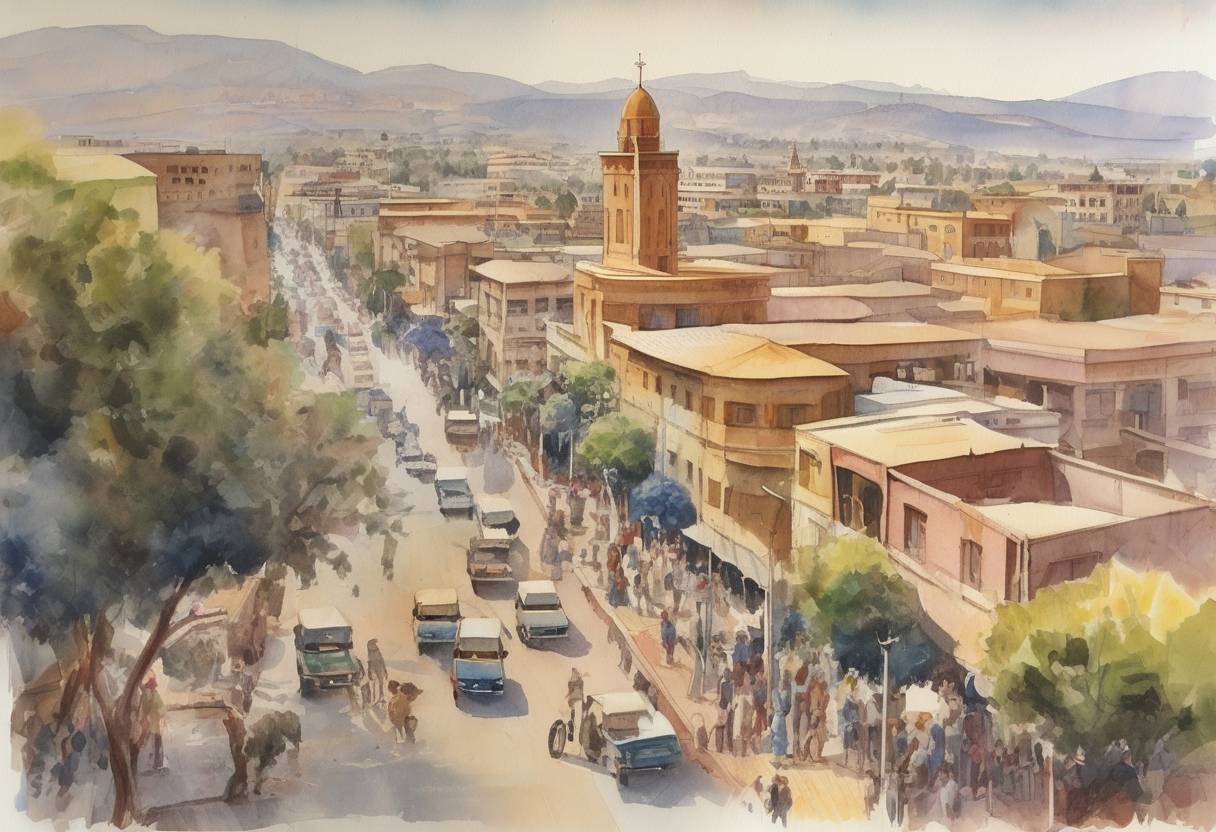
Eritrea Gains Independence from Ethiopia: May 24, 1993
On May 24, 1993, Eritrea officially declared its independence from Ethiopia, marking the culmination of a protracted and arduous struggle that lasted for three decades. This significant event was the result of a long-fought war for independence, which had profound implications for both Eritrea and the Horn of Africa region.
Historical Context
Italian and British Colonial Rule: Eritrea was an Italian colony from the late 19th century until World War II. After the war, it was placed under British administration until 1952.
Federation with Ethiopia: In 1952, Eritrea was federated with Ethiopia as a result of a United Nations resolution. However, this federation was short-lived, as Ethiopia, under Emperor Haile Selassie, annexed Eritrea in 1962, dissolving its autonomous status and incorporating it as a province.
The Struggle for Independence
Beginning of the Armed Struggle: The annexation led to the emergence of the Eritrean Liberation Front (ELF) in the early 1960s, which initiated an armed struggle against Ethiopian rule. This marked the beginning of what would become a 30-year war for independence.
Rise of the Eritrean People’s Liberation Front (EPLF): In the 1970s, the Eritrean People’s Liberation Front (EPLF) emerged as a dominant force in the independence movement, eventually overshadowing the ELF. The EPLF was known for its effective guerrilla warfare tactics and strong organizational structure.
Ethiopian Civil War: The struggle for Eritrean independence was intertwined with the broader Ethiopian Civil War, which saw the fall of the Derg regime in 1991. The weakening of Ethiopian central authority provided an opportunity for the EPLF to gain ground.
Path to Independence
- Referendum and International Recognition: Following the fall of the Derg, a UN-supervised referendum was held in April 1993, where an overwhelming majority of Eritreans voted for independence. On May 24, 1993, Eritrea declared its independence, which was subsequently recognized by the international community, including Ethiopia.
Aftermath and Significance
Establishment of a New Nation: Eritrea’s independence marked the birth of a new nation in Africa. The country embarked on the challenging task of nation-building, focusing on reconstruction and development after decades of conflict.
Eritrea-Ethiopia Relations: Despite initial cooperation, relations between Eritrea and Ethiopia deteriorated, leading to the Eritrean-Ethiopian War from 1998 to 2000. A peace agreement was eventually signed in 2018, normalizing relations between the two countries.
Regional Impact: Eritrea’s independence had significant implications for the Horn of Africa, influencing regional dynamics and contributing to the reshaping of political boundaries in the post-colonial era.
Eritrea’s journey to independence is a testament to the resilience and determination of its people, who endured immense hardships to achieve self-determination. The events of May 24, 1993, remain a pivotal moment in the history of Eritrea and the African continent.