Recognition of Baltic Independence by the Soviet Union on September 6, 1991
1991 · Moscow, Soviet Union
The Soviet Union recognizes the independence of the Baltic states: Estonia, Latvia, and Lithuania.
August 25, 1991
Belarus declares its independence from the Soviet Union.
Minsk, Belarus | Belarusian government
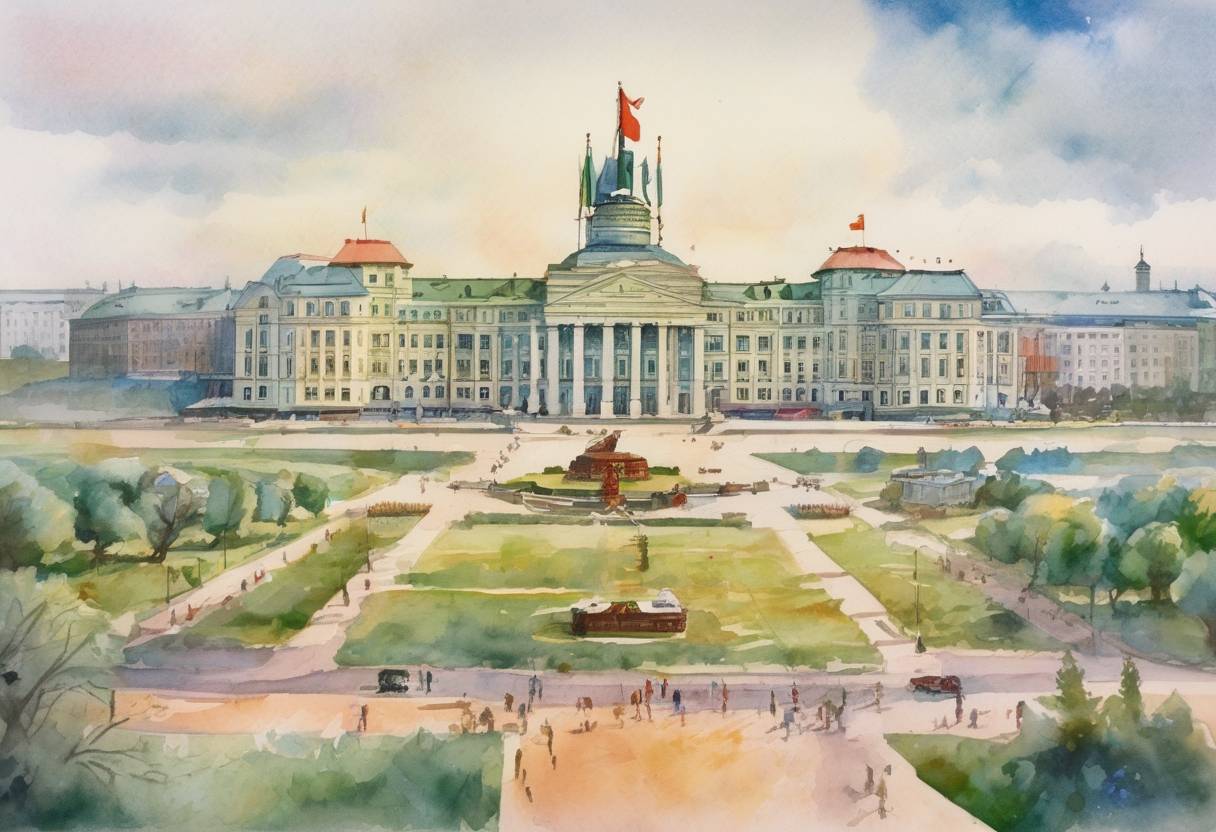
On August 25, 1991, Belarus declared its independence from the Soviet Union, marking a pivotal moment in the dissolution of the USSR and the emergence of Belarus as a sovereign nation. This event was part of a broader wave of independence movements across the Soviet republics during the late 1980s and early 1990s, as the Soviet Union faced increasing internal pressures and political upheaval.
Perestroika and Glasnost: The policies of Perestroika (restructuring) and Glasnost (openness) introduced by Soviet leader Mikhail Gorbachev in the mid-1980s aimed to revitalize the Soviet economy and promote political transparency. However, these reforms inadvertently weakened central control and emboldened nationalist movements within the republics.
The Rise of Nationalism: Throughout the late 1980s, nationalist sentiments grew in many Soviet republics, including Belarus. The push for greater autonomy and cultural revival became more pronounced as the Soviet Union’s central authority waned.
The August Coup: Just days before Belarus declared independence, a failed coup attempt by hardline members of the Communist Party in Moscow sought to reverse Gorbachev’s reforms and restore strict central control. The coup’s failure further destabilized the Soviet Union and accelerated the independence movements in various republics.
Supreme Soviet of Belarus: On August 25, 1991, the Supreme Soviet of the Belarusian Soviet Socialist Republic (BSSR) adopted the Declaration of State Sovereignty, which asserted Belarus’s independence from the Soviet Union. This declaration was a formal assertion of the republic’s intent to govern itself independently.
Legal and Political Changes: Following the declaration, Belarus began the process of establishing its own legal and political frameworks, transitioning from a Soviet republic to an independent state. This included the adoption of new national symbols and the establishment of diplomatic relations with other countries.
Dissolution of the Soviet Union: Belarus’s declaration of independence was part of a cascade of similar declarations by other Soviet republics, culminating in the official dissolution of the Soviet Union on December 26, 1991.
Formation of the Commonwealth of Independent States (CIS): Belarus became a founding member of the CIS, a regional organization formed by former Soviet republics to facilitate cooperation on political and economic issues.
Challenges of Independence: In the years following independence, Belarus faced numerous challenges, including economic restructuring, political instability, and the task of establishing a national identity separate from its Soviet past.
Current Status: Today, Belarus is a sovereign nation with its own government and international relations, though it maintains close ties with Russia and has faced criticism for its political system and human rights record.
The declaration of independence on August 25, 1991, was a defining moment in Belarusian history, setting the stage for the country’s journey as an independent nation and its role in the post-Soviet geopolitical landscape.
Source: en.wikipedia.org