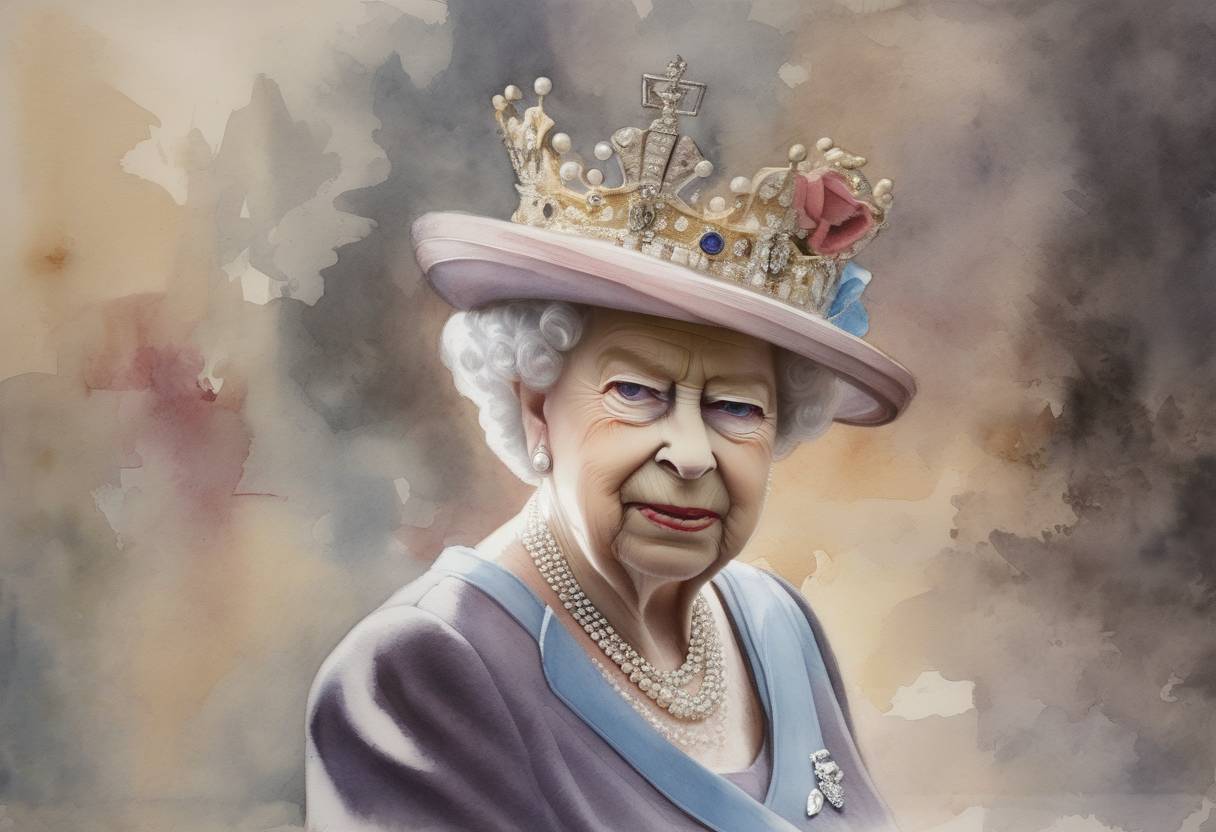
Queen Elizabeth II: The Longest-Reigning British Monarch
On September 9, 2015, Queen Elizabeth II became the longest-reigning monarch in British history, surpassing the previous record held by her great-great-grandmother, Queen Victoria. Queen Victoria reigned for 63 years and 216 days, from June 20, 1837, to January 22, 1901. Queen Elizabeth II’s reign began on February 6, 1952, following the death of her father, King George VI.
Context and Background
Accession to the Throne: Elizabeth Alexandra Mary Windsor became queen at the age of 25. Her accession marked the beginning of a new era in British history, as she inherited a post-war Britain that was undergoing significant social and economic changes.
Early Reign: The early years of her reign were characterized by the continuation of the decolonization process, with many countries in Africa and the Caribbean gaining independence from British rule.
Key Events Leading Up to September 9, 2015
Modernization of the Monarchy: Throughout her reign, Queen Elizabeth II worked to modernize the monarchy, adapting it to changing public expectations and societal norms. This included embracing technology and media, such as the televising of her coronation in 1953.
Commonwealth Expansion: Under her reign, the Commonwealth of Nations expanded, and she played a significant role in fostering unity and cooperation among member states.
Family and Public Life: The Queen’s reign witnessed numerous personal and public challenges, including family controversies and changing public perceptions of the monarchy. Despite these challenges, she maintained a steadfast commitment to her duties.
Significance of September 9, 2015
Historical Milestone: On this date, Queen Elizabeth II officially became the longest-reigning monarch in British history, a testament to her enduring presence and influence in both the United Kingdom and the Commonwealth.
Public Celebrations: The milestone was marked by various celebrations and tributes across the UK and the Commonwealth. The Queen herself acknowledged the day with characteristic humility, stating that it was “not one to which I have ever aspired.”
Aftermath and Legacy
Continued Service: Following this milestone, Queen Elizabeth II continued to serve as a symbol of stability and continuity, navigating the monarchy through the complexities of the 21st century.
Enduring Influence: Her long reign has had a profound impact on the British monarchy, shaping its role and relevance in modern society. Her dedication to duty and service remains a defining feature of her legacy.
Queen Elizabeth II’s record-breaking reign is not only a reflection of her personal longevity but also of her ability to adapt and lead through decades of change, maintaining the monarchy’s place in a rapidly evolving world.