The Protecting Our Democracy Act
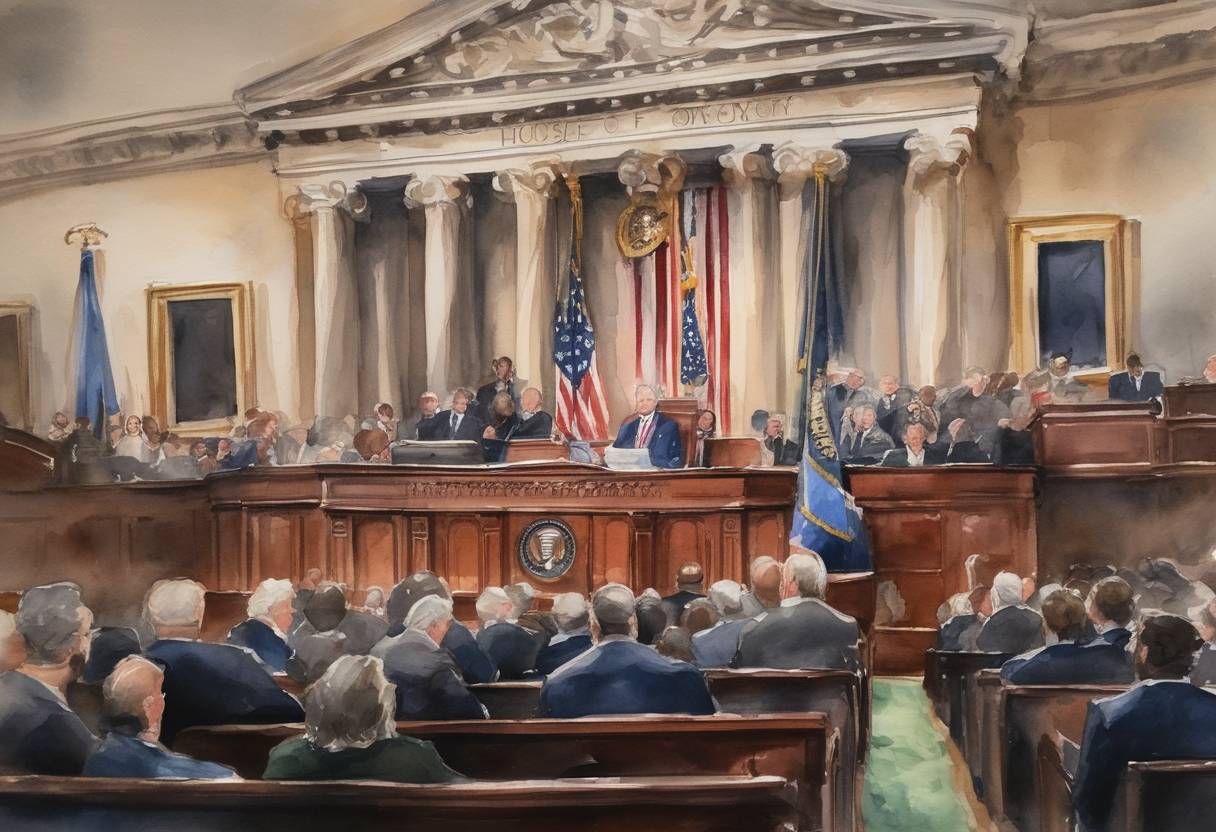
On December 8, 2021, the United States House of Representatives passed the Protecting Our Democracy Act, a significant piece of legislation designed to reinforce the system of checks and balances within the federal government by curbing the powers of the executive branch. The act emerged as part of a broader legislative response to perceived overreaches by the executive in recent administrations, aiming to restore the balance of power among the branches of government as defined by the U.S. Constitution.
Key Provisions
The Protecting Our Democracy Act encompassed several essential measures:
Presidential Abuse of Power: The act intended to prevent abuses of executive power by imposing stricter oversight on presidential pardons and requiring candidates for presidential and vice presidential offices to disclose ten years of tax returns.
Preserving Congressional Authority: It sought to enhance Congress’ ability to enforce subpoenas by streamlining judicial enforcement processes, thereby ensuring legislative oversight over the executive branch.
Foreign Influence: The legislation aimed to curb foreign interference in U.S. elections by reinforcing requirements for political campaigns to report foreign contacts and contributions.
Transition of Power: Measures within the act also focused on the orderly transfer of power, to prevent disruptions to governmental functions during presidential transitions.
Whistleblower Protections: Strengthening protections for federal whistleblowers was a key component, encouraging reports of executive wrongdoings without fear of retaliation.
Legislative Context
The bill was introduced as part of a broader Democratic agenda emphasizing governmental accountability and integrity. It followed concerns over executive conduct, particularly regarding the use of presidential powers and potential conflicts of interest.
House Passage and Opposition
The act was passed largely along party lines, reflecting the partisan divide on issues of executive power. While it garnered support predominantly from Democratic members of the House, many Republicans opposed the legislation, arguing that it could hinder presidential authority and was politically motivated.
Broader Historical Significance
The Protecting Our Democracy Act represented a legislative effort to address the historical tug-of-war over the separation of powers in the U.S. government. By seeking to limit the executive’s reach, it echoed past congressional attempts to reassert legislative and judicial oversight—a recurrent theme in American political history.
The bill’s passage in the House was a step toward redefining the parameters of executive authority, although its future in the Senate was uncertain given the political dynamics at play. Ultimately, the debate around the act illustrated ongoing concerns about ensuring a balanced and resilient democratic system in the United States.