September 26, 1937

The Bali Tiger is declared extinct in the wild due to habitat loss and hunting.


Bali, Indonesia
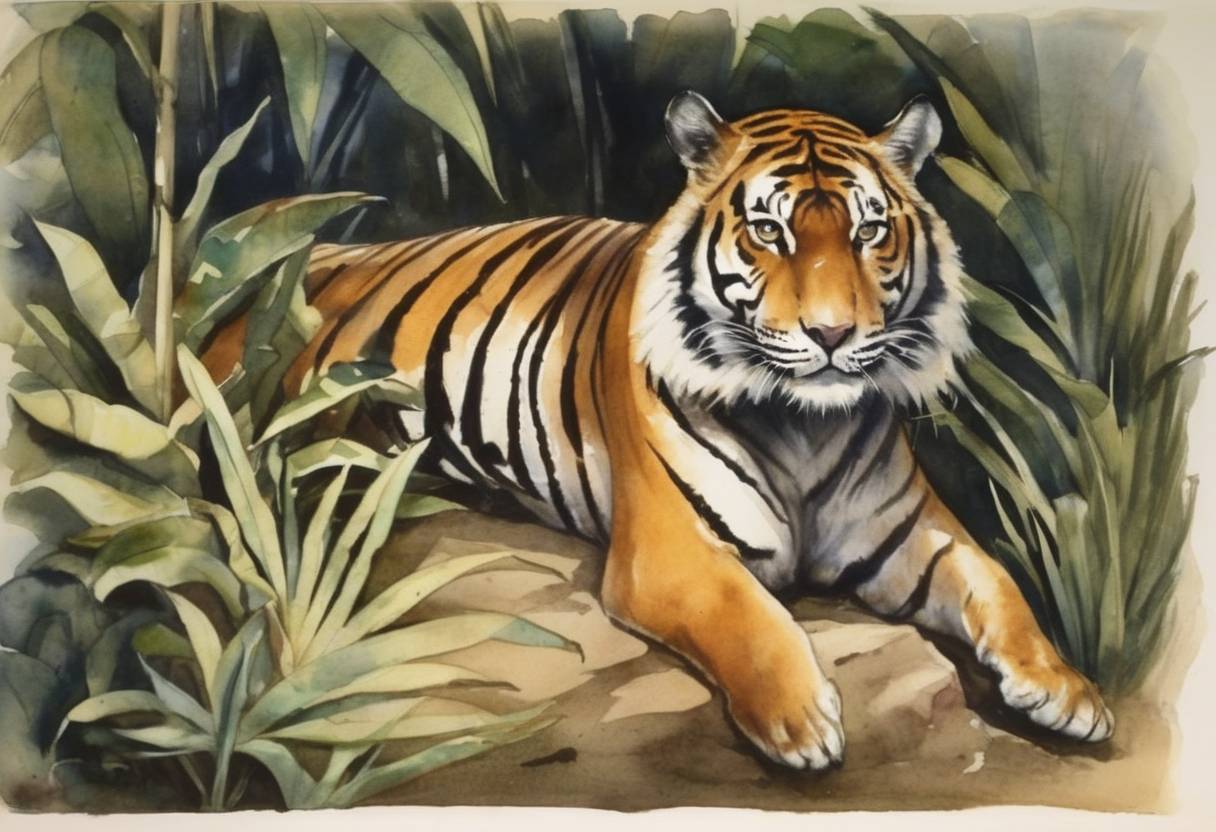
Watercolor painting based depiction of The Bali Tiger is declared extinct in the wild due to habitat loss and hunting. (1937)

Extinction of the Bali Tiger on September 26, 1937

Overview

On September 26, 1937, the Bali tiger (Panthera tigris balica) was declared extinct in the wild. This small tiger subspecies was native to the Indonesian island of Bali. Its extinction was the result of habitat loss and excessive hunting.

Habitat and Population

  • Habitat: The Bali tiger’s natural habitat was the dense rainforests and savannahs of Bali.
  • Population Decline: By the early 20th century, habitat destruction due to agricultural expansion and human settlement severely reduced the available territory for the Bali tiger.

Reasons for Extinction

  • Hunting: The island’s European colonists hunted the Bali tiger for sport, skins, and trophies. Local hunting practices also contributed to its decline.
  • Habitat Loss: The conversion of forests into farmlands diminished the tiger’s natural habitat, leading to decreased prey availability.

Broader Impact

  • Ecological Consequences: The extinction of the Bali tiger disrupted the island’s ecosystem, leading to changes in prey populations and impacting biodiversity.
  • Conservation Awareness: This extinction highlighted the need for wildlife conservation and played a role in increasing global awareness about the risks of unchecked human expansion and the importance of protecting endangered species.

Historical Significance

The loss of the Bali tiger serves as a poignant reminder of the consequences of human activities on wildlife and has historically informed conservation strategies for other endangered species worldwide.