Premiere of Richard Wagner's Opera "Parsifal" at the Bayreuth Festival
1882 · Bayreuth, Germany
Richard Wagner's opera "Parsifal" premieres at the Bayreuth Festival.
December 23, 1893
The opera 'Hansel and Gretel' by Engelbert Humperdinck premiered in Weimar, Germany, adding a significant piece to the repertoire of German opera.
Weimar, Germany
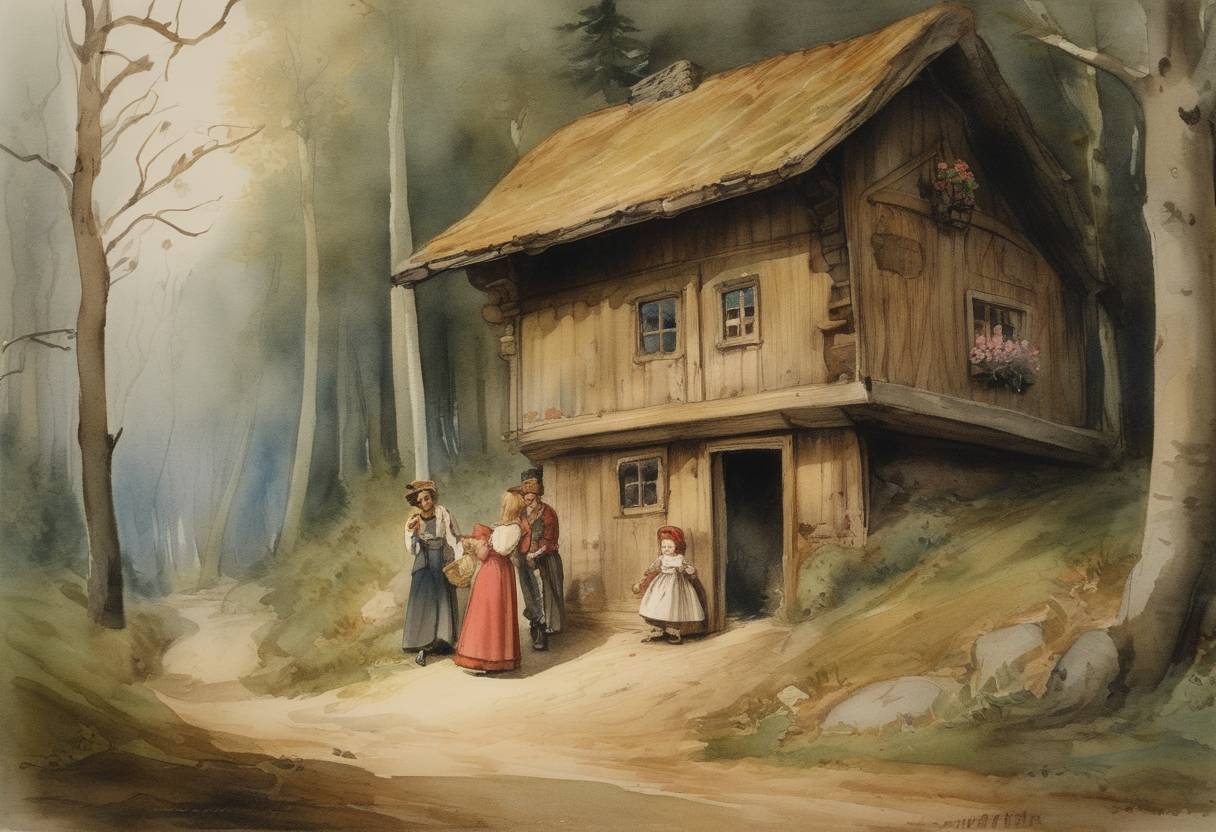
On December 23, 1893, the opera “Hansel and Gretel” by Engelbert Humperdinck premiered at the Hoftheater in Weimar, Germany. This opera became a significant contribution to the German operatic repertoire, blending traditional fairy tale elements with the lush, romantic musical style of the late 19th century.
Engelbert Humperdinck, a German composer born in 1854, was heavily influenced by the works of Richard Wagner, with whom he briefly collaborated. Initially conceived as a set of songs for his sister’s children, “Hansel and Gretel” evolved into a full-length opera. Humperdinck crafted a libretto based on the Brothers Grimm fairy tale, with contributions from his sister, Adelheid Wette.
The Weimar Hoftheater, under the direction of Richard Strauss, recognized the potential of Humperdinck’s work. Strauss conducted the premiere, showcasing his commitment to bringing fresh, innovative works to the operatic stage. The choice of Weimar, a city steeped in cultural history, emphasized the opera’s connection to German artistic tradition.
“Hansel and Gretel” is renowned for its inventive orchestration, memorable melodies, and its seamless fusion of folk tunes with classical elements. The “Evening Prayer” duet and the witch’s antics comprise some of the opera’s most beloved moments. Its success at the premiere was marked by its immediate appeal to audiences and critics alike.
The opera’s blend of a familiar fairy tale with Humperdinck’s rich musical textures resonated with audiences of the time and has remained a staple of the operatic canon ever since. Its enduring popularity is evidenced by regular performances worldwide, particularly during the holiday season, when its themes of family, resilience, and triumph over adversity are especially poignant.
The positive reception of “Hansel and Gretel” propelled Engelbert Humperdinck to prominence, cementing his reputation as a significant composer. The opera’s continuing success has ensured its place as an essential work in the German opera repertoire and a beloved classic that captures the imagination of both children and adults.
Source: www.britannica.com