Invasion of Puerto Rico: July 25, 1898
1898 · Guánica, Puerto Rico
During the Spanish-American War, U.S. forces, led by General Nelson A. Miles, invaded Puerto Rico, beginning the island's transition from Spanish to American control.
September 23, 1868
Grito de Lares, also known as the Lares uprising, marked an unsuccessful rebellion against Spanish rule in Puerto Rico.
Lares, Puerto Rico | Revolutionary Committee of Puerto Rico
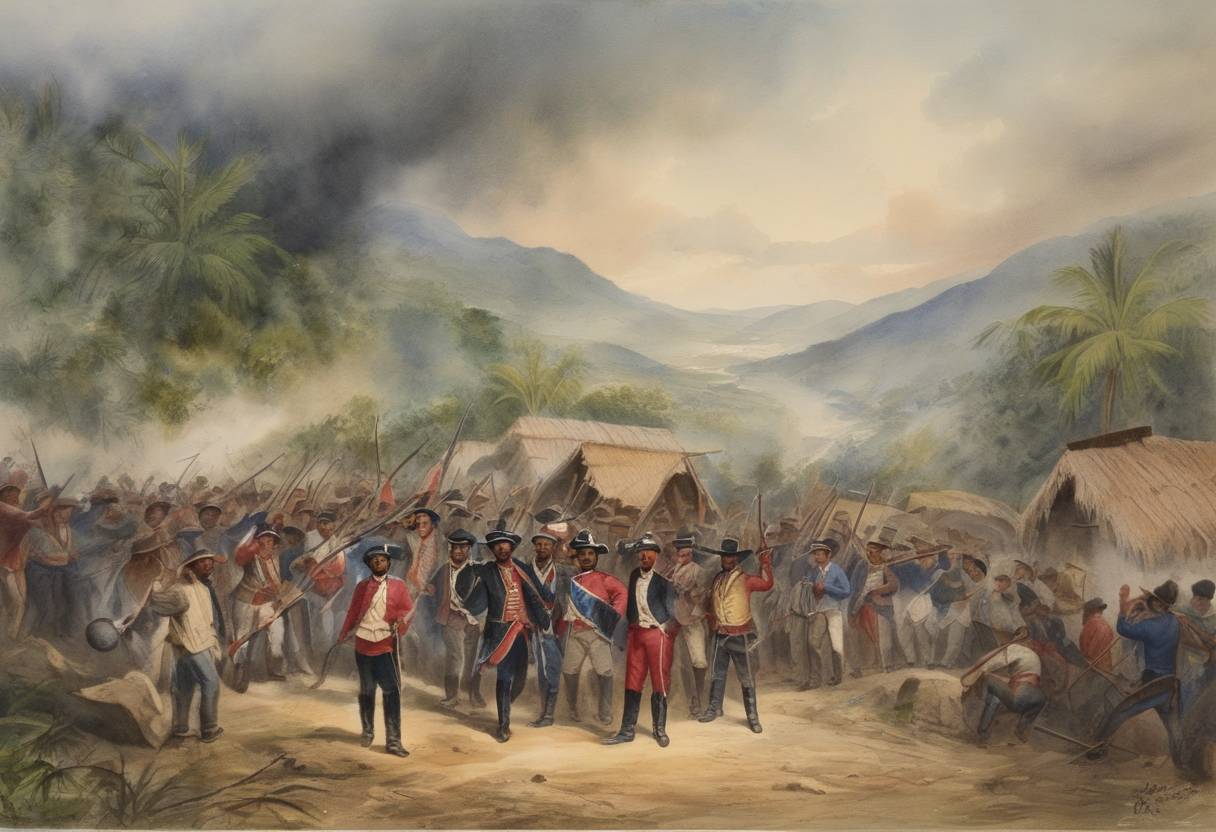
The Grito de Lares, or the Lares Uprising, was a pivotal yet unsuccessful rebellion that took place on September 23, 1868, in the town of Lares, Puerto Rico. This insurrection was a significant event in Puerto Rican history as it represented a crucial attempt by Puerto Ricans to gain independence from Spanish colonial rule.
During the 19th century, Puerto Rico, like many other Spanish colonies, experienced significant social, economic, and political discontent. Several factors contributed to this unrest, including:
Economic Hardships: Heavy taxation and trade restrictions imposed by the Spanish government hindered economic development and created widespread poverty among the local population. Many Puerto Ricans were deeply affected by these economic policies, which favored the Spanish elite.
Social Inequality: The island’s social structure was highly stratified, with a powerful Spanish elite controlling the majority of land and resources. The native, African, and Creole populations faced discrimination and marginalization.
Political Repression: The lack of political representation and autonomy further fueled discontent. Local leaders were inspired by successful independence movements in Latin America and sought similar paths to autonomy.
The Lares uprising was orchestrated primarily by Puerto Rican revolutionaries, including key figures such as Ramón Emeterio Betances and Segundo Ruiz Belvis. Although they planned a larger coordinated rebellion across the island, Spanish authorities discovered the plans, forcing the insurgents to act prematurely.
On the intended day, approximately 400 to 600 rebels, armed largely with rudimentary weapons like machetes and some firearms, gathered in Lares. They declared the “Republic of Puerto Rico,” raised a revolutionary flag, and proclaimed independence from Spain. This event marked Puerto Rico’s first major attempt to gain sovereignty.
Despite the initial enthusiasm, several factors contributed to the rebellion’s quick collapse:
Poor Organization and Resources: The rebels lacked proper organization, adequate arms, and sufficient manpower to challenge the Spanish colonial military effectively.
Limited Support: While Lares and neighboring regions showed support, the broader population of Puerto Rico did not widely rally to the cause, partly due to fear of Spanish reprisals.
Spanish Response: Days after the uprising, Spanish forces, well-armed and better organized, quickly suppressed the movement. Many rebels were arrested, and the leaders faced harsh sentences, although eventually, some were pardoned.
Despite its failure, the Grito de Lares is remembered as a symbol of Puerto Rican nationalism and the persistent desire for independence. The event highlighted the islanders’ aspirations and grievances against colonial rule and inspired future generations of independence advocates and human rights activists. Today, September 23rd is commemorated as a day of national pride and reflection on Puerto Rico’s ongoing quest for greater autonomy and recognition.
Source: en.wikipedia.org